
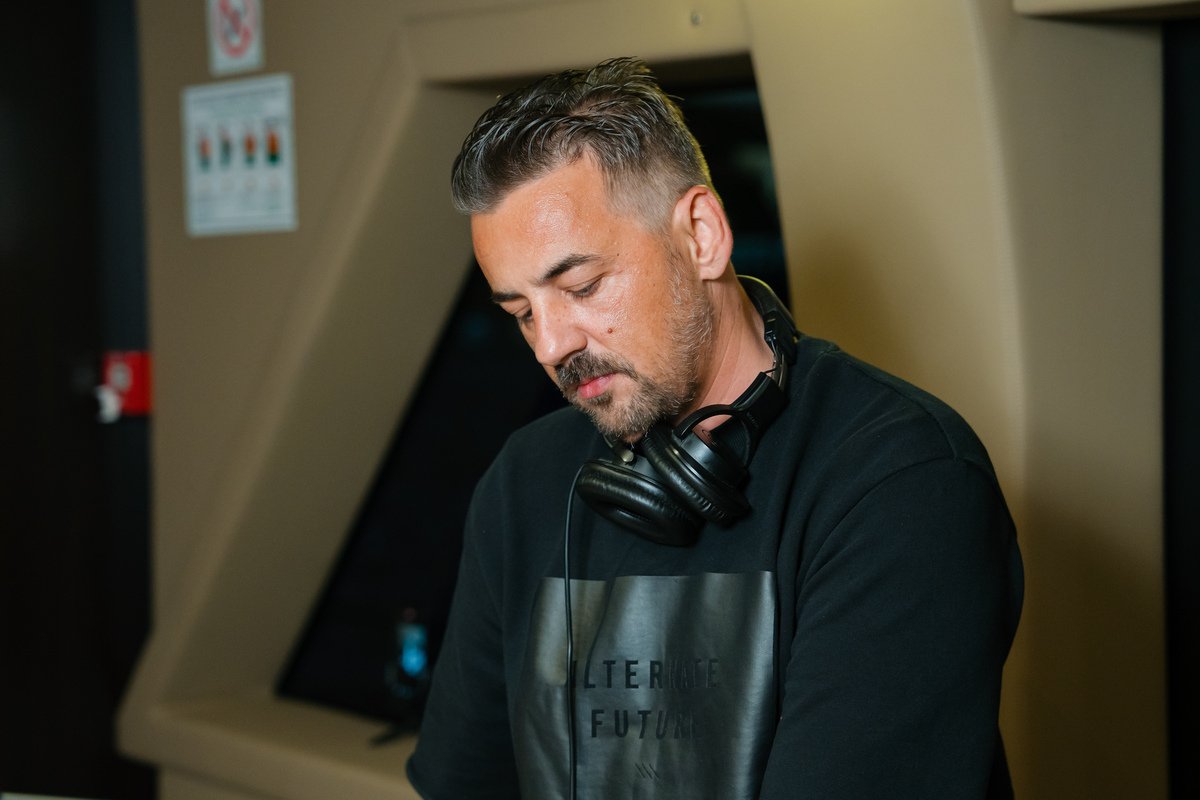
The music scene is constantly evolving, with artists pushing boundaries and defying traditional genre definitions. One such project that promises a unique and diverse musical experience is the XIX EP. This two-track EP takes listeners on a journey across a wide range of genres, from ambient to amapiano, offering a rich tapestry of sounds and influences.
Mutus, a talented music producer hailing from Bursa, joins forces with saxophonist Hido Selim from Hamburg for the first time on this collaborative project. While Mutus brings his expertise in electronic music production, Hido Selim, known for his roots in jazz, adds a distinctive acoustic element to the EP. The result is a fusion of acoustic and electronic sounds, creating a mesmerizing blend of textures and tones that transcend traditional genre boundaries.
The collaborative nature of the project reflects the coming together of different cities and cultures, with each track drawing inspiration from a unique set of influences. From the bustling streets of Bursa to the vibrant music scene of Hamburg, the EP is a testament to the power of music in bridging cultural divides and fostering unity.
In a recent visit to his studio, we had the privilege of gaining insight into Mutus’s creative process and his collaboration on his latest EP, offering a glimpse into the intricate world of his artistry.
Machine Become Emotions
When we asked Mutus which piece of equipment made a significant impact on this EP, his answer was the Behringer Model D without hesitation.
In the production of the latest track “Kim Ki Duk,” the Behringer Model D played a pivotal role in shaping the sonic landscape and adding a new dimension to the music. As Mutus stated ‘’It gave me the chance to bridge both the digital and analog worlds and to achieve a wide palette of sounds.’’
Released by Behringer in 2017, the Behringer Model D quickly became a favorite among synthesizer enthusiasts for its faithful recreation of the iconic Minimoog Model D. Known for its rich, warm tones and powerful sound-shaping capabilities, the Behringer Model D has proven to be a valuable addition to many studios, offering a bridge between the digital and analog realms of music production.
By harnessing the power of the Behringer Model D in the production of “Kim Ki Duk,” a fusion of the best elements of analog and digital synthesis was achieved, resulting in a track that is both sonically rich and emotionally engaging. The synergy between the old-school warmth of analog sound and the modern conveniences of digital production tools showcases the endless creative possibilities that arise when bridging these two worlds.
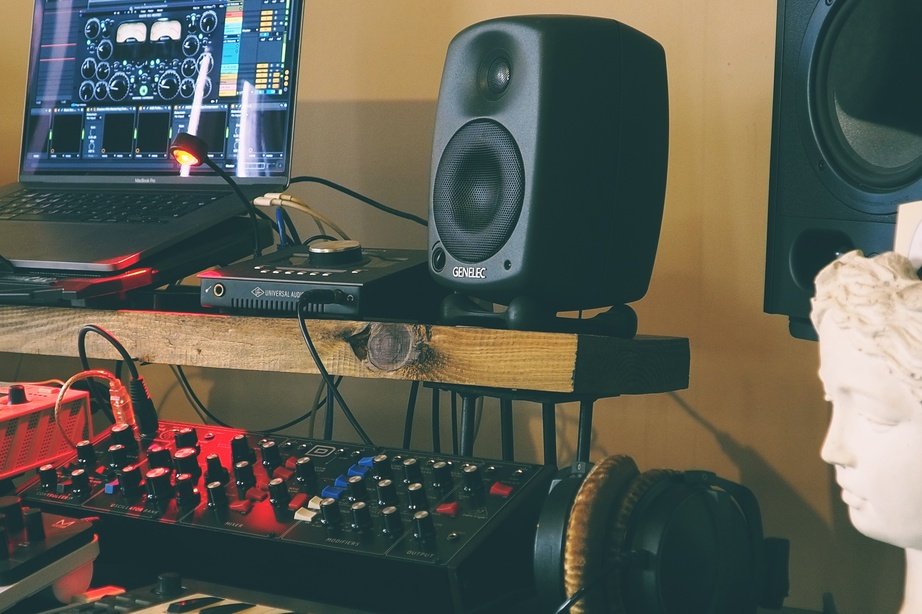
The artist, who preferred Ableton Live as his DAW, summarized his long-term relationship with Live with the following words.
‘’In 2009, my musical journey took a transformative turn when I discovered Ableton Live. Known for its intuitive interface, powerful features, and seamless integration of audio and MIDI capabilities, Ableton Live revolutionized the way I approach music production. Whether composing, arranging, or performing live, this versatile DAW has been a constant companion, providing me with the tools I need to bring my musical ideas to life.’’
He describes his approach as a constant exploration, a journey of discovery where each sound and note holds the potential to evoke emotions and tell a story. For Mutus, music is not just a form of self-expression but a way to connect with listeners on a deeper level, invoking thought and feeling through sound. We asked him what are his top three plugins or software tools that he couldn’t live without, and why?
- UAD Pultec EQ:
I think I’ll put the UAD Pultec EQ in the first place again. I was surprised at first that even when you put it in by default, it changes the character of the sound and adds a warmth. I don’t think there is any other plug-in that has such a simple interface and is so useful. I was also surprised that Andrew Scheps said it was even better than the hardware version.
- Xfer Cthulhu:
Xfer Cthulhu is the only plugin I would take with me if I was stranded on a desert island. There is no other plug-in that inspires me so quickly and effectively. It’s definitely an indispensable part of my productions.
- Valhalla Supermassive:
Valhalla Supermassive is again an indispensable part of my productions. I think it’s too good a plug-in to be free and I use it a lot, both to add depth to the mix and for sound design.
Different Perspectives Become a Single Vision
Exploring new musical territories and pushing the boundaries of sound creation often leads to innovative and unique experiences. In the realm of music production, the collaboration between artists with distinct sound palettes can result in a blend that is both refreshing and captivating.
The artist highlighted the significance of the piano in their recent productions, ‘’I’ve been using the piano more and more in my productions. It’s the closest instrument to the human voice, so even in the instrumental tracks, I’m essentially incorporating some kind of vocal element.’’
Moreover, a key aspect of the artist’s approach was the blending of organic and digital elements. By synthesizing these contrasting components, a dynamic and layered sonic landscape was crafted, offering listeners a multi-faceted experience. This fusion of traditional and contemporary sounds added depth and complexity to the music, creating an intriguing juxtaposition that resonated throughout the EP.
‘’I think we managed to offer a three-dimensional musical experience with Hido Selim’s saxophone.’’ adds Mutus.
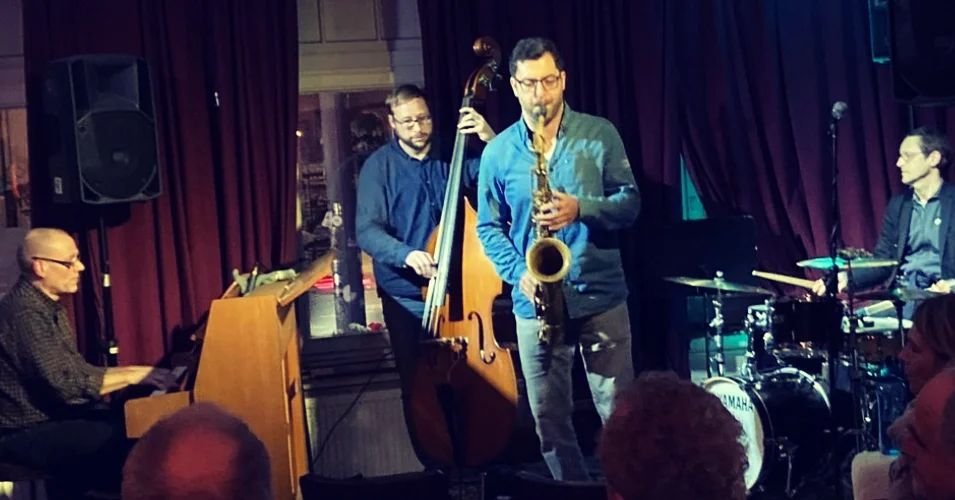
In the world of electronic music production, collaboration is increasingly becoming a crucial element for artists seeking fresh inspiration and unique outcomes. While working solo in the studio can be a rewarding experience, the dynamism and creativity that arise from joining forces with other like-minded individuals bring a whole new dimension to the creative process.
‘’Collaborations are becoming more and more important for me. It’s like fresh air and I really enjoy the unique results that come from different perspectives.’’
The ability to collaborate with other artists introduces an element of spontaneity and unpredictability that can lead to exciting and unexpected results.
‘’At the end of the day, producing electronic music in front of a computer in the studio is a much more static and repetitive process than performing live. The most beautiful part of these collaborations is the workflow that starts with a beat I write, triggers the creative sparks of other artists, and then the new ideas and sounds that come from them and the reflections created by the improvisational ideas created in my own creative world in the same way.’’
Moreover, collaborations in electronic music often blur the lines between composition and performance. While the studio environment typically emphasizes meticulous planning and editing, working in tandem with other artists can inject a sense of live improvisation into the mix. This element of spontaneity adds a human touch to the music, creating moments of magic that can’t be replicated in a solely digital setting.
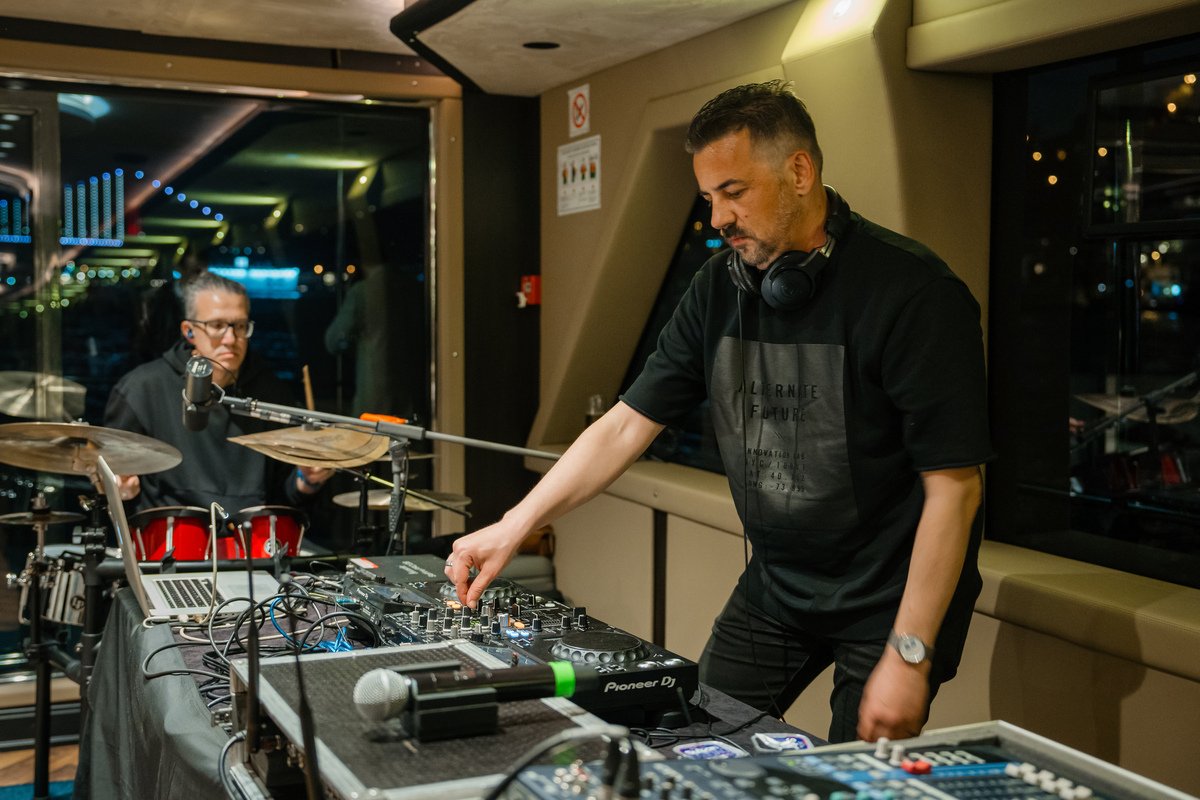
While we’re on the subject of live performances, we asked Mutus what’s his go-to piece of gear for live performances and we were pleasantly surprised by the response we got.
‘’Pioneer DJM-450! It has become indispensable for my live performances thanks to its plug and play functionality as well as standalone operation. Thanks to its perfect compatibility with Traktor Pro, in addition to being able to make a DJ set in a very practical way and providing you with all professional effects and applications. The indispensable part of my live set-up is Ableton Live on one channel and Akai MPC Live II and its connected synths on the other channel. It has become an indispensable piece of equipment for me, as it provides the flexibility to manipulate two channels separately on the fly.’’
One of the standout features of the DJM-450 is its standalone operation capability, which grants DJs and performers the freedom to harness the full potential of this mixer without relying on external devices or software. This independence empowers artists to explore new sonic horizons and experiment with innovative mixing techniques, enhancing the dynamic range and depth of their performances.
Conclusion
In our conversation, Mutus speaks passionately about the power of collaboration in music, highlighting how it allows artists to push boundaries and explore new sonic landscapes. He emphasizes the importance of mutual understanding and openness in the creative process, noting that the magic often happens when artists come together with a shared vision and a willingness to experiment.
As we delve deeper into Mutus’ creative journey, it becomes evident that his music is more than just a collection of sounds – it is a reflection of his introspection, his experiences, and his connection to the world around him. Each composition is imbued with a sense of purpose, a narrative that unfolds with every note, inviting listeners to embark on a sonic voyage that is both captivating and thought-provoking.
As we bid farewell to Mutus and his enchanting studio, we are left with a profound appreciation for the artistry and creativity that define his music. His dedication to pushing boundaries, his commitment to collaboration, and his unwavering passion for storytelling through sound serve as a testament to the transformative power of music. Mutus is not just a musician; he is a storyteller, a visionary who invites us to see the world through the lens of his music, one note at a time.

The Integraudio Editorial Team consists of experienced music producers, audio engineers, and plugin enthusiasts dedicated to providing in-depth reviews and guides for music production software.