
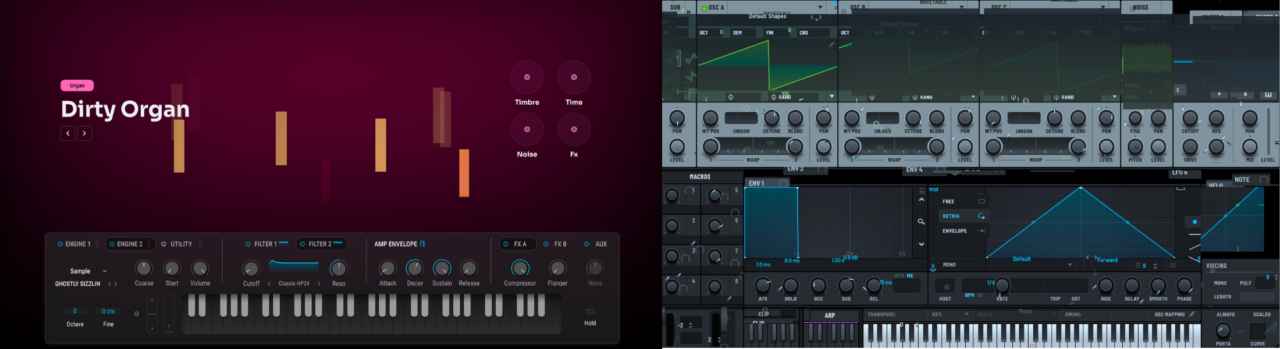
More info and price – Pigments 7
Today, we have two of the best synths in recent years on the table: Pigments 7 vs Serum 2!
Choosing between Pigments 7 and Serum 2 really comes down to workflow and mindset. After spending time with both, I’ve noticed they can achieve very similar results, but they take you there in completely different ways. One leans toward deep, technical sound design, while the other focuses more on creative flow and musical experimentation.
Both synths have evolved a lot, I would say. Serum is no longer just a wavetable synth; it’s now a hybrid powerhouse with granular, spectral, and sample-based engines. Pigments, meanwhile, has grown into a multi-engine platform that combines analog-style warmth, wavetable flexibility, and generative tools in a very intuitive way.
In my experience, Serum 2 feels more precise and technical, while Pigments 7 feels more immediate and inspiring to play. In this comparison, I’ll break down their features, sound, workflow, and real-world usability to help you decide which one fits your style better.
| Feature | Serum 2 | Pigments 7 |
| Oscillators | Three oscillators plus a noise generator, which gives it more layering depth. | Two oscillators plus a Utility Engine with two noise generators and an extra basic waveform oscillator. |
| Oscillator Types | Wavetable, multisample, sample, granular, and spectral, no longer just a wavetable synth. | Analog, wavetable, sample, harmonic, and modal, a diverse but slightly different engine set. |
| Filters | Two filters with chain/parallel routing, extensive filter types, plus Drive and Fat controls. | Two filters with chain/parallel routing, wide filter selection, plus Drive and KBD controls. |
| Envelopes | Four envelopes, giving more room for complex modulation setups. | Three envelopes, still flexible but slightly more limited. |
| Modulation | Six LFOs with customizable paths and multiple modes, geared toward deep sound design. | Three LFOs, three Function LFOs, random modulators, and Combinate envelopes, more variety and creative modulation tools. |
| Effects | Two aux busses + master bus, with flexible routing and a wide range of effects. | Two main busses + one aux bus, limited to three effects per bus but includes standout effects like shimmer reverb. |
| Arpeggiator / Sequencing | Standard arpeggiator with multiple modes. | Arp + sequencer, making it more composition-friendly. |
| Unison | 16-voice unison with deep control over detune, spread, and behavior. | 8-voice unison with simpler controls, plus Super unison for quick supersaws. |
| Workflow Style | Feels like a deep sound-design workstation with advanced routing and control. | Feels like a creative, visual instrument focused on speed and inspiration. |
| Best Suited For | Strong for aggressive EDM, complex patches, and detailed sound design. | Strong for melodic, organic, and musical textures, especially in house and ambient styles. |
Sound and Character
Both synths sound fantastic, but they definitely have their own personality. Serum 2 feels sharper, more aggressive, and very precise, while Pigments 7 feels smoother, warmer, and a bit more “musical” right out of the box. I found myself reaching for them in different situations depending on the vibe I was going for.
Serum 2
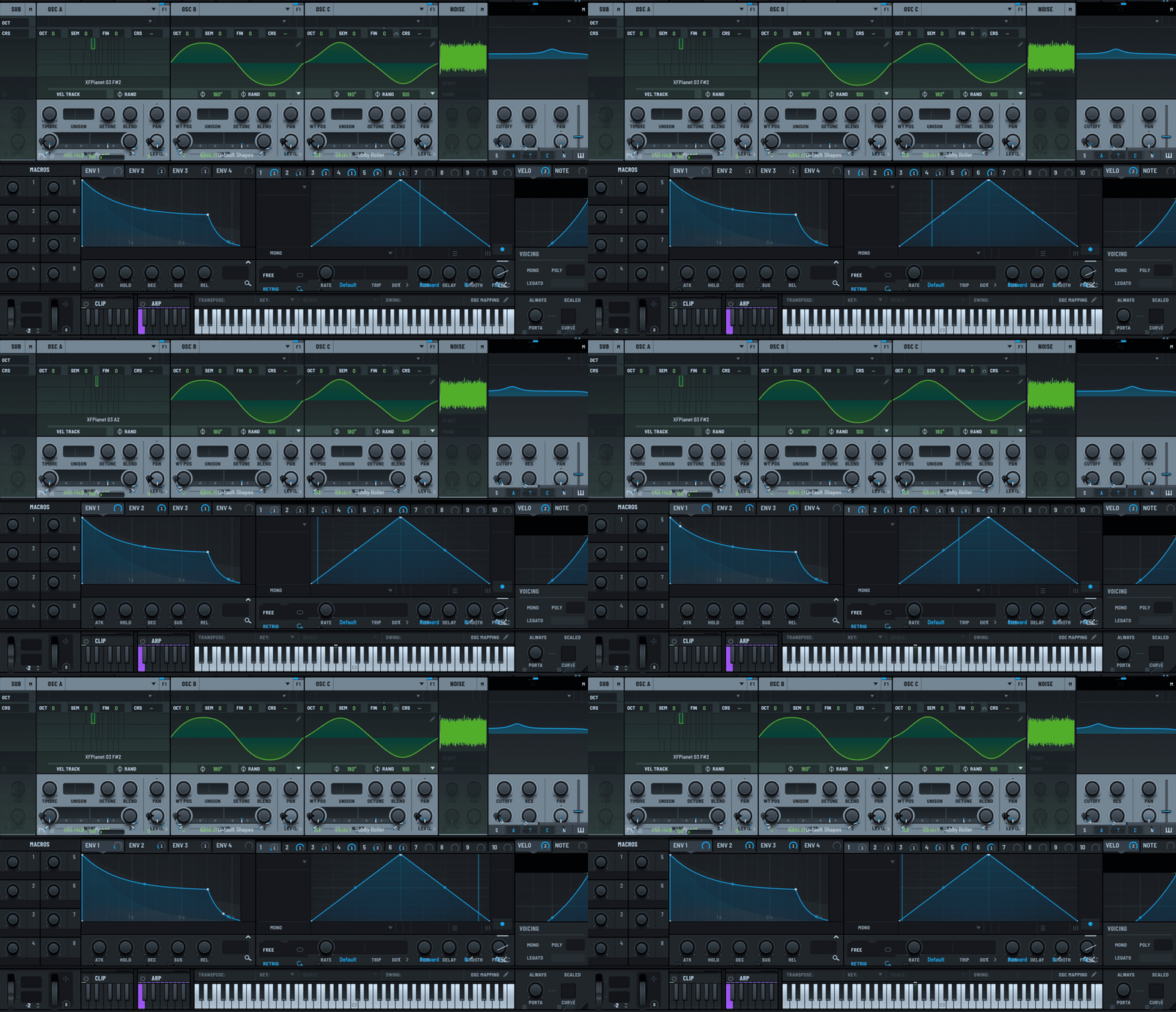
Serum 2 still has that signature clean, bright, and punchy sound, but it feels more expanded now. With the addition of granular, spectral, and sample-based engines, it’s no longer limited to just modern EDM sounds. That said, it still absolutely excels there.
What I really noticed is how easy it is to create huge leads, aggressive basses, and wide supersaws. The unison engine is incredibly powerful, and the extra oscillator gives you more depth when layering sounds. It’s the kind of synth where even a basic patch can sound massive with very little effort.
When you go deeper, Serum 2 becomes extremely flexible. The spectral engine in particular adds a more textural, slightly “blurred” character that works great for atmospheres and evolving sounds. Overall, it sounds very polished, very digital (in a good way), and very controlled, which makes it perfect for modern electronic production.
Pigments 7
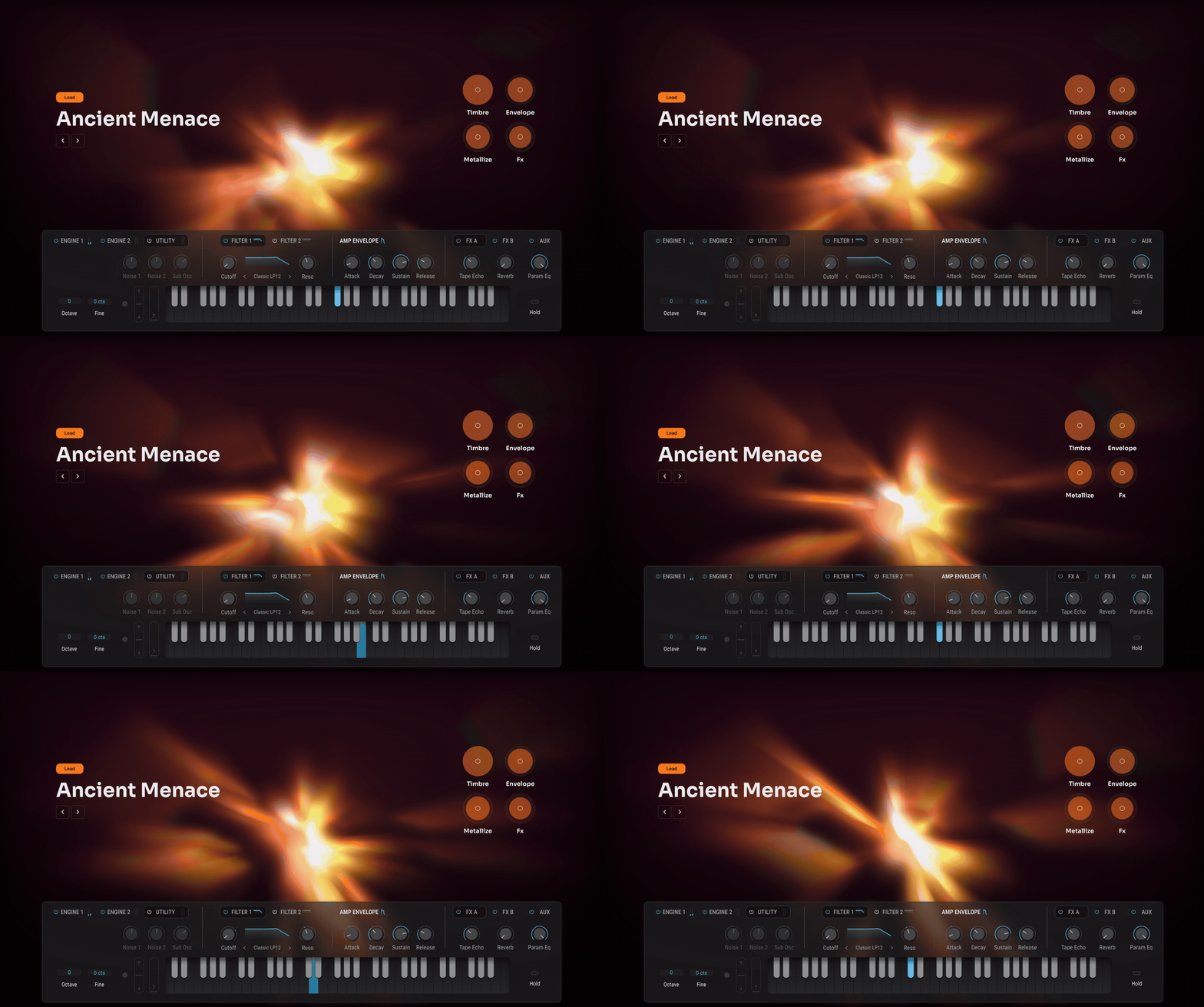
Pigments 7 has a different kind of character. To my ears, it sounds a bit more organic and rounded, especially when working with analog-style or harmonic engines. It doesn’t hit as aggressively as Serum by default, but it often sits in a mix more naturally without much effort.
Where it really shines is in melodic content, things like warm basses, soft pads, plucks, and evolving textures. I found it especially inspiring when working on melodic house or ambient ideas, where the sound doesn’t need to be overly sharp or dominant.
Another thing I like is how Pigments handles modulation and movement. It feels a bit more fluid and expressive, especially with its modulation system and sequencer. Combined with its effects (like shimmer reverb and pitch-shift delay), it can create very rich, atmospheric sounds without needing much extra processing.
Overall, Pigments 7 sounds more musical and slightly more “alive”, while Serum 2 feels more precise, powerful, and designed for impact.
Comparison
At a high level, both synths can cover a huge range of sounds, but they feel very different in practice. Serum 2 is more about precision, depth, and control, while Pigments 7 is more about creativity, flow, and immediacy. I gotta say, I tried both on Logic and FL Studio.
The biggest difference for me is how they approach sound design. With Serum 2, I feel like I’m building a sound piece by piece. It’s very deliberate, and the level of control is incredibly deep, especially with things like the modulation matrix, unison settings, and flexible effects routing. It’s the kind of synth where you can really fine-tune every detail.
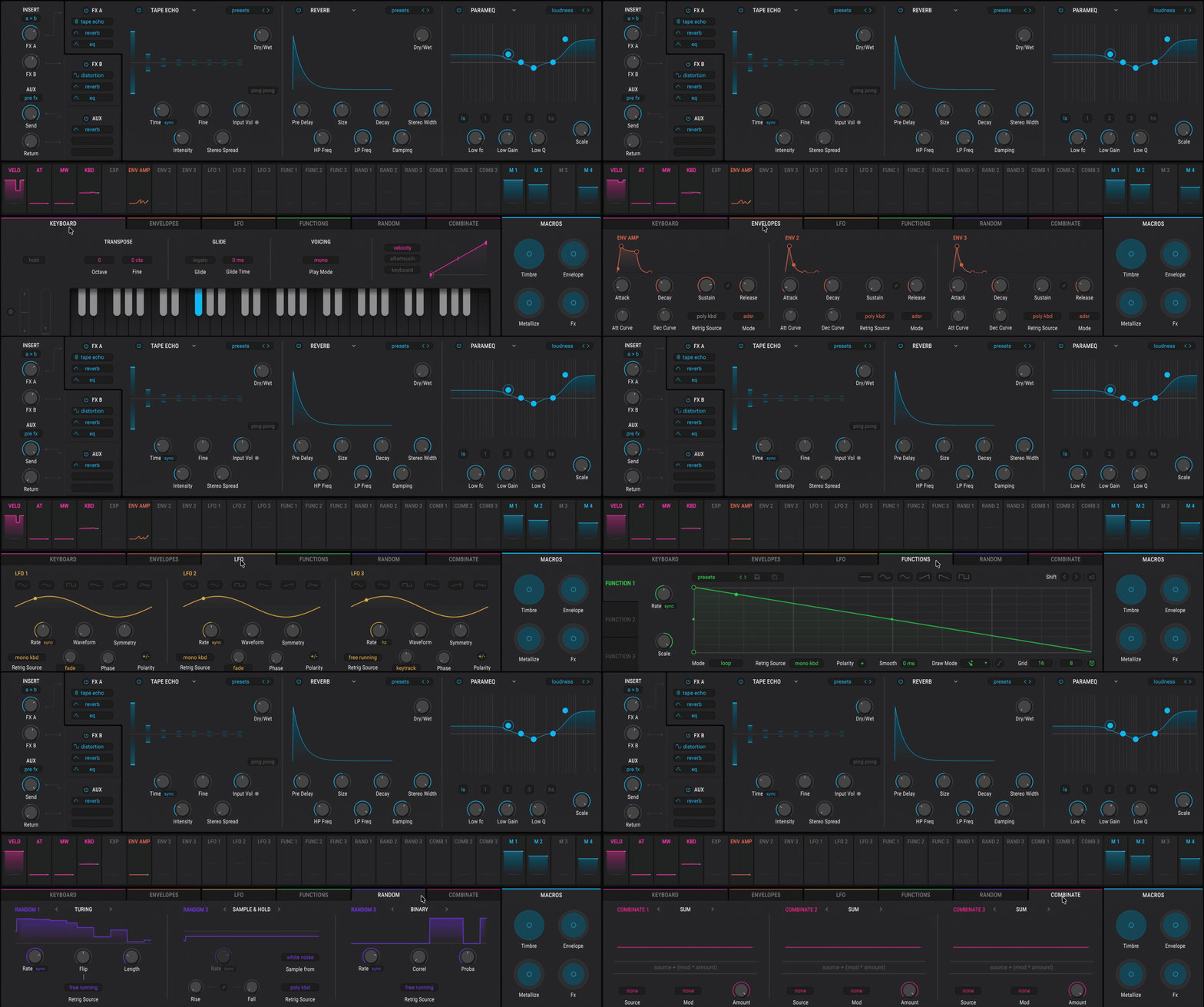
Pigments 7, on the other hand, feels more like exploring than building. The interface encourages experimentation, and it’s very easy to stumble upon interesting sounds quickly. The modulation system, sequencer, and visual feedback all make it feel more interactive and less technical.
There’s also a noticeable difference in complexity. Serum 2 can get quite deep and sometimes a bit overwhelming, especially when you start layering modulation and routing. Pigments 7 feels more approachable, even though it’s still a very powerful synth under the hood.
In short, Serum 2 is better suited for detailed, complex sound design, while Pigments 7 is better for fast, creative workflows and idea generation.
Features and Interface
- Synthesis Engines
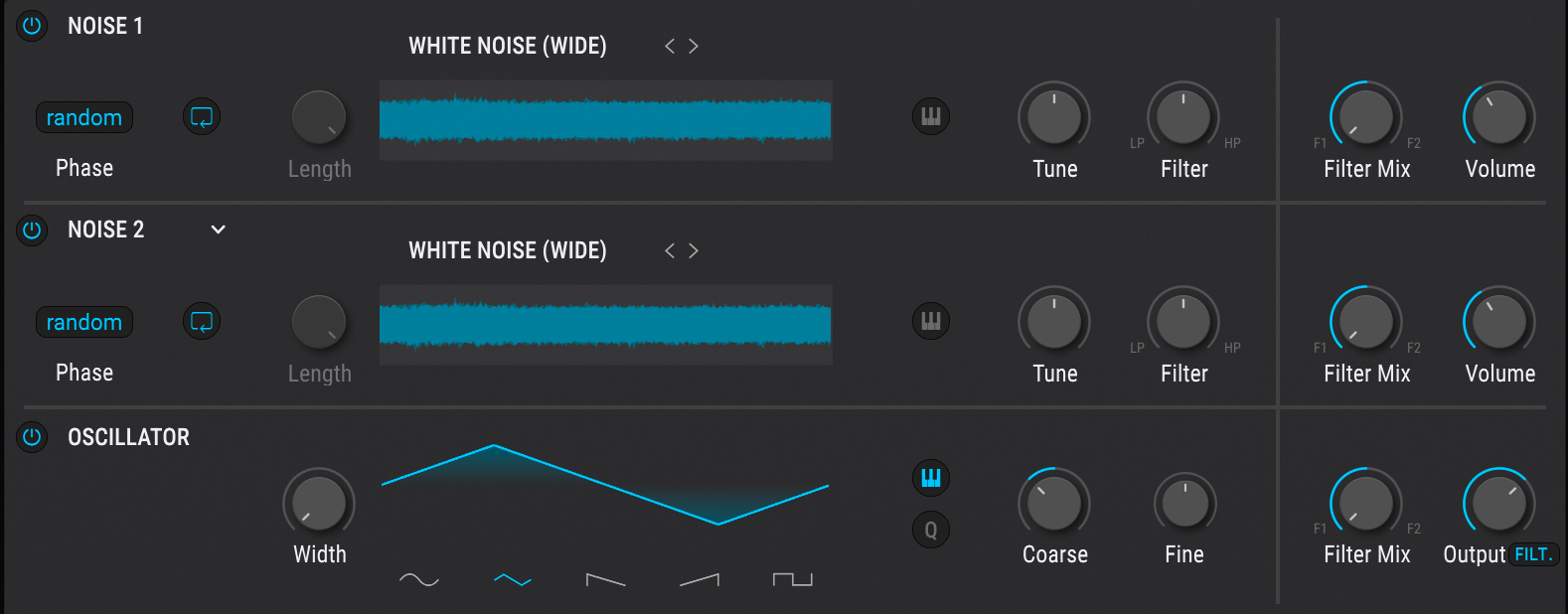
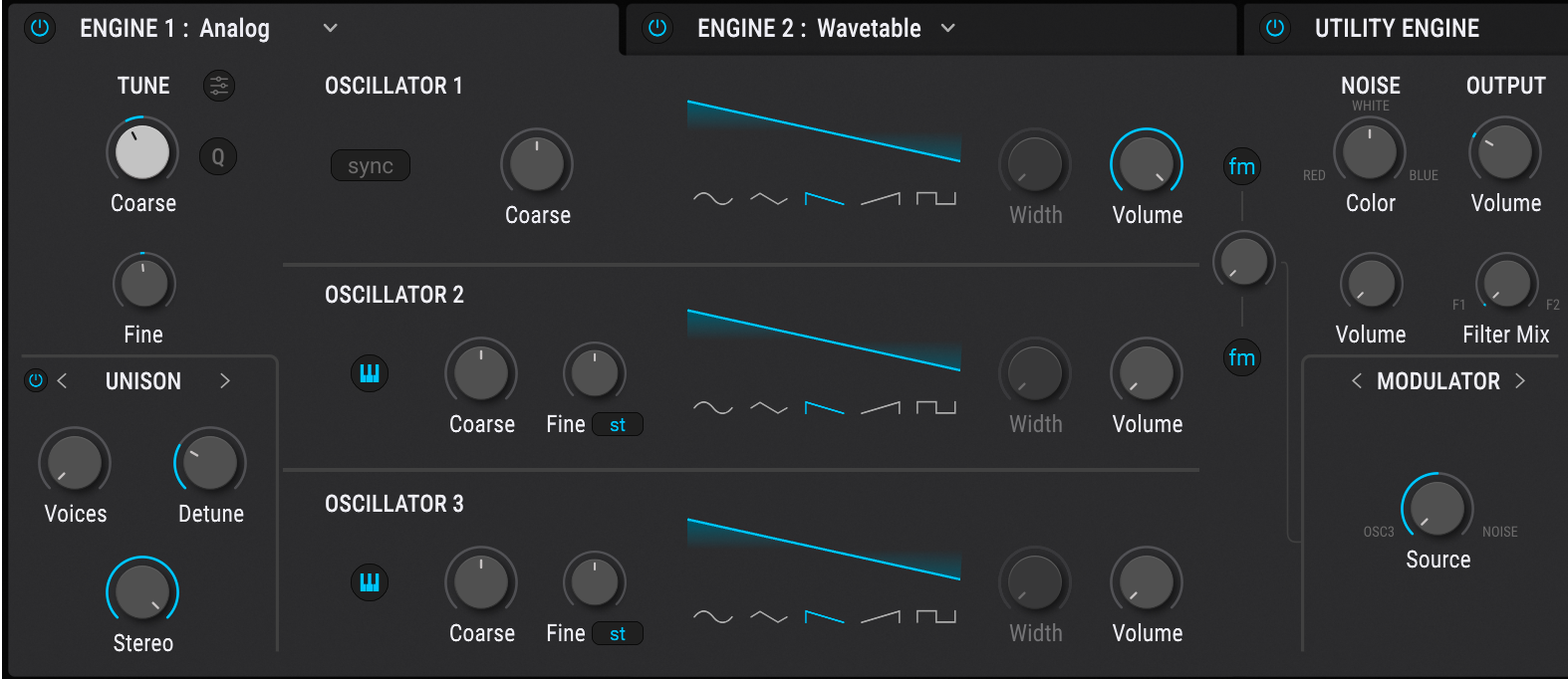
Both synths are now firmly in hybrid territory, but they approach it differently. Serum 2 expands outward, adding granular, spectral, and sample-based engines on top of its wavetable core. Pigments 7 feels more modular by design, letting you switch between analog, wavetable, harmonic, modal, and sample engines in a very fluid way.
In practice, Serum feels like it’s evolving from a strong core, while Pigments feels like it was built from the ground up to be multi-engine.
- Modulation System
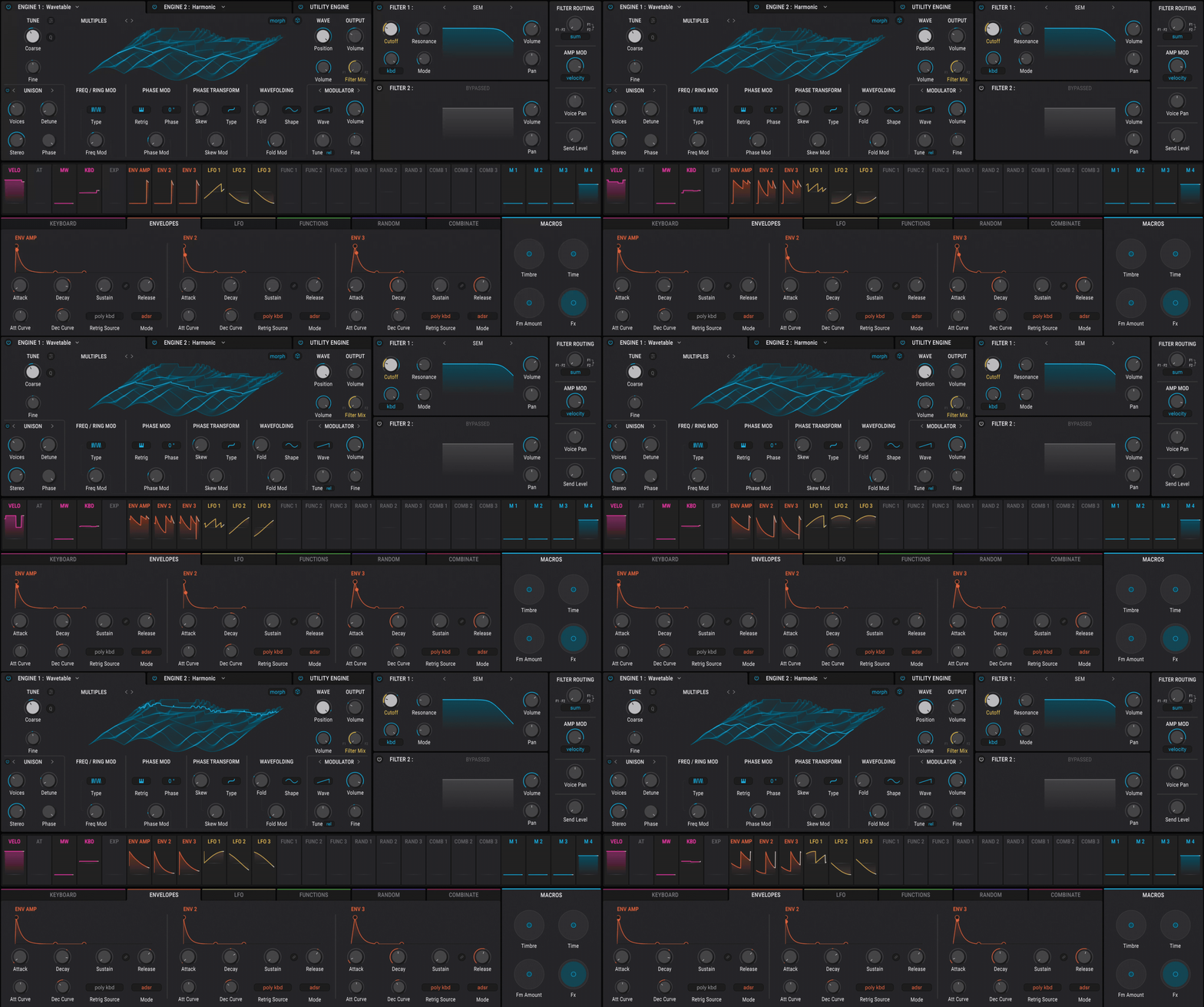
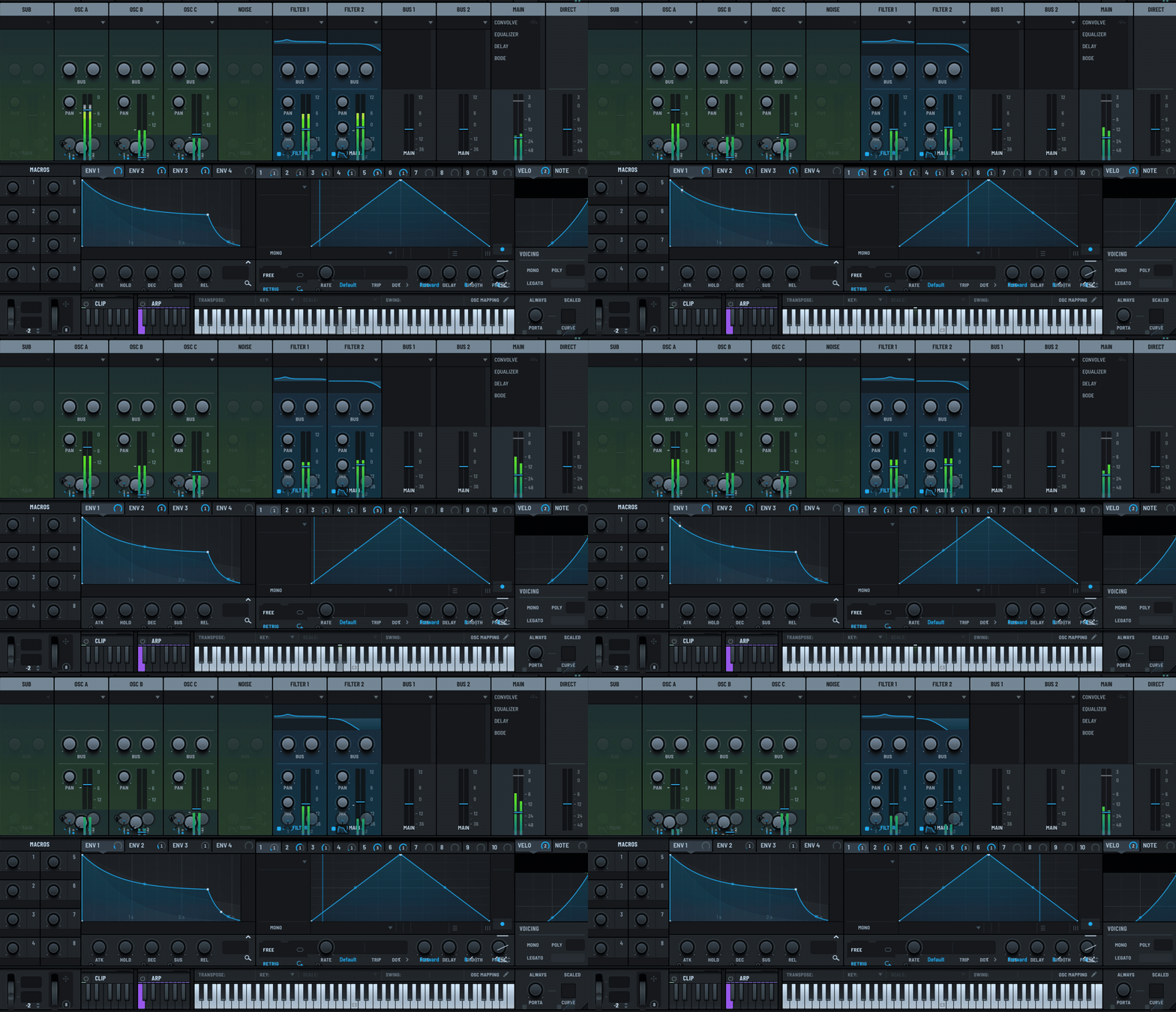
Modulation is strong in both, but the workflow is quite different. Serum 2 offers deep control with multiple LFOs, remapping, and a powerful modulation matrix, which I find great for detailed and technical patches.
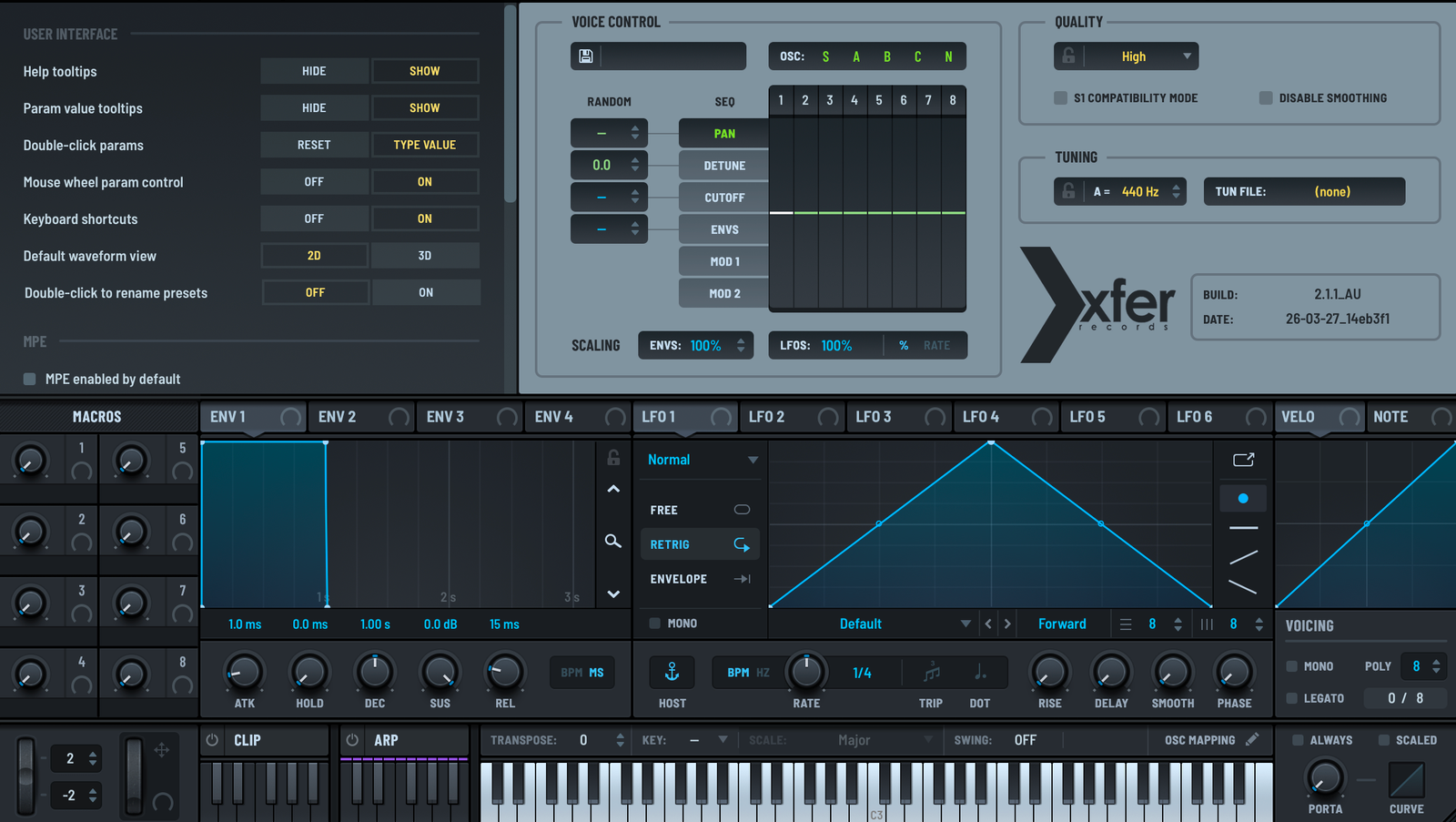
Pigments 7 makes modulation more visual and immediate. You can see everything clearly, and adjusting modulation feels quicker and more intuitive. I especially like how easy it is to tweak multiple modulations on a single parameter without digging through menus.
- Unison and Sound Thickness
This is one area where Serum 2 clearly stands out. The 16-voice unison and detailed control over detune, spread, and layering make it incredibly easy to create wide, powerful sounds.
Pigments keeps things simpler with 8 voices and a Super unison option, which is quick and effective, but doesn’t offer the same level of control. For fine-tuning thickness, Serum definitely has the edge.
- Effects and Routing
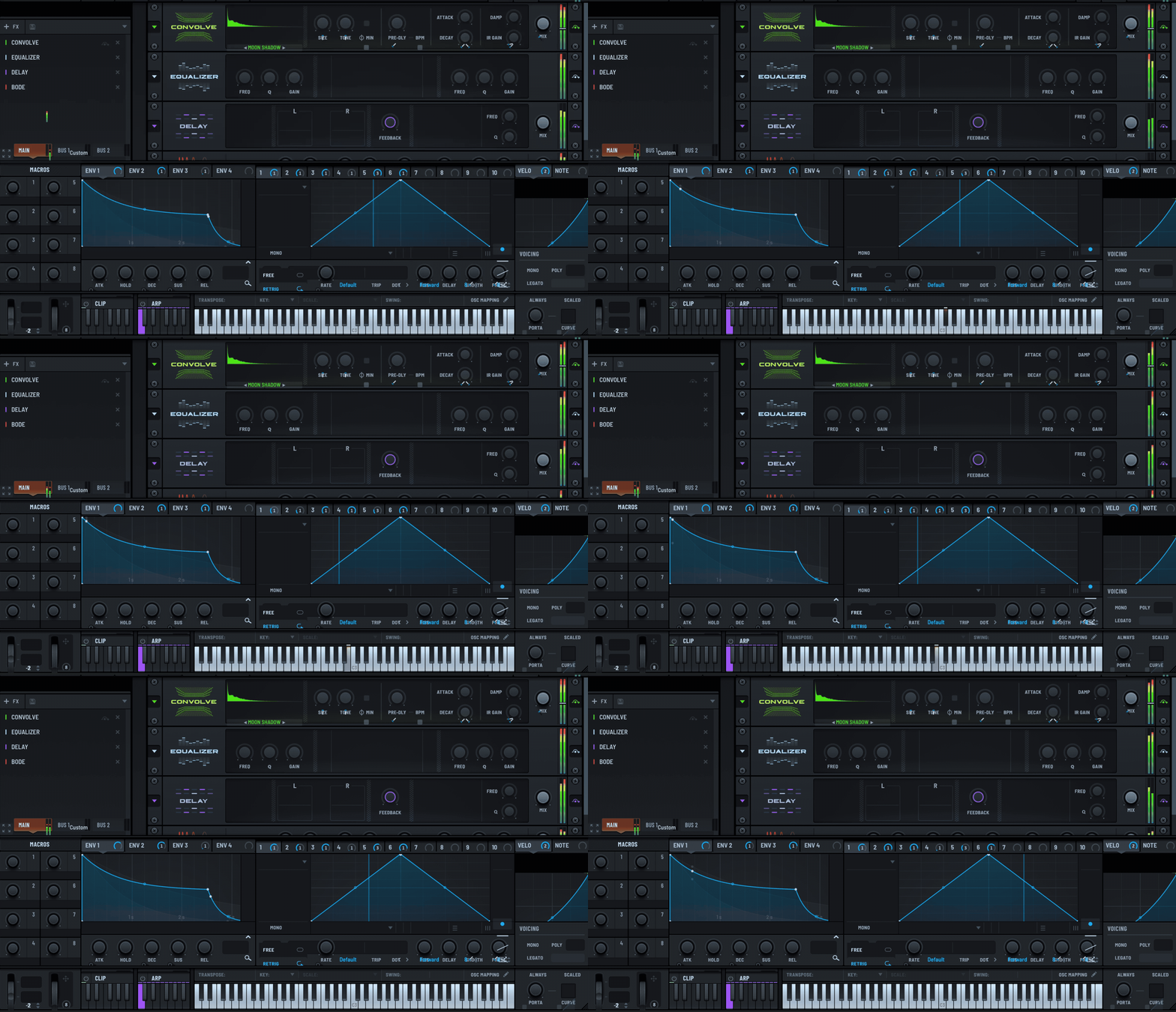
Serum 2 is much more flexible when it comes to effects. You can stack multiple effects, route them in different ways, and even split signals for separate processing. This opens up a lot of creative possibilities, especially for more experimental sound design.
Pigments 7 takes a more streamlined approach. The effects section is more limited in structure, but the quality is excellent. I found myself using its shimmer reverb and pitch delay a lot because they just sound good without much tweaking.
- Sequencer and Generative Tools
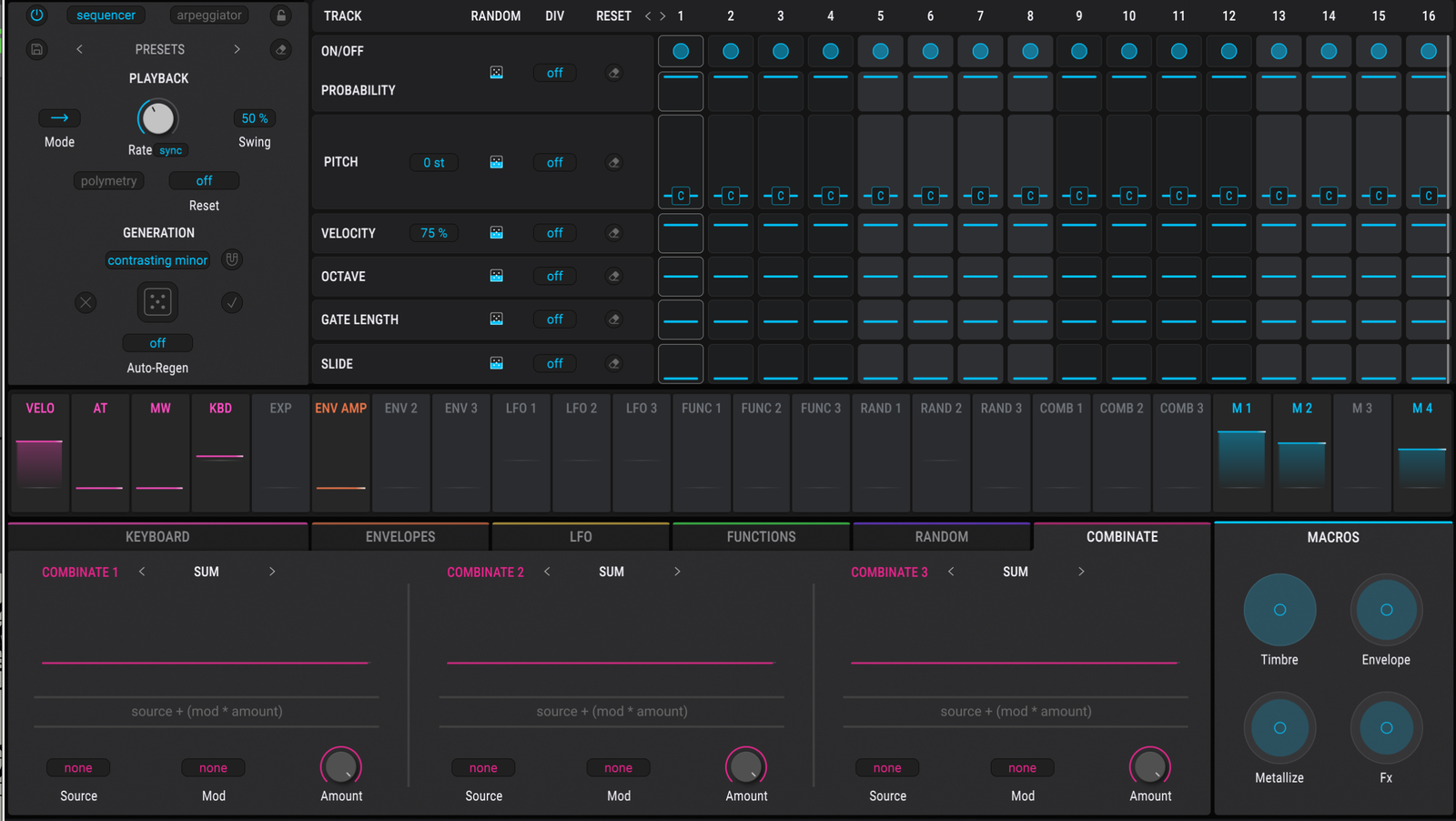
This is where Pigments really shines. Its built-in sequencer and generative features make it feel like more than just a synth. It’s great for creating patterns, rhythms, and musical ideas quickly.
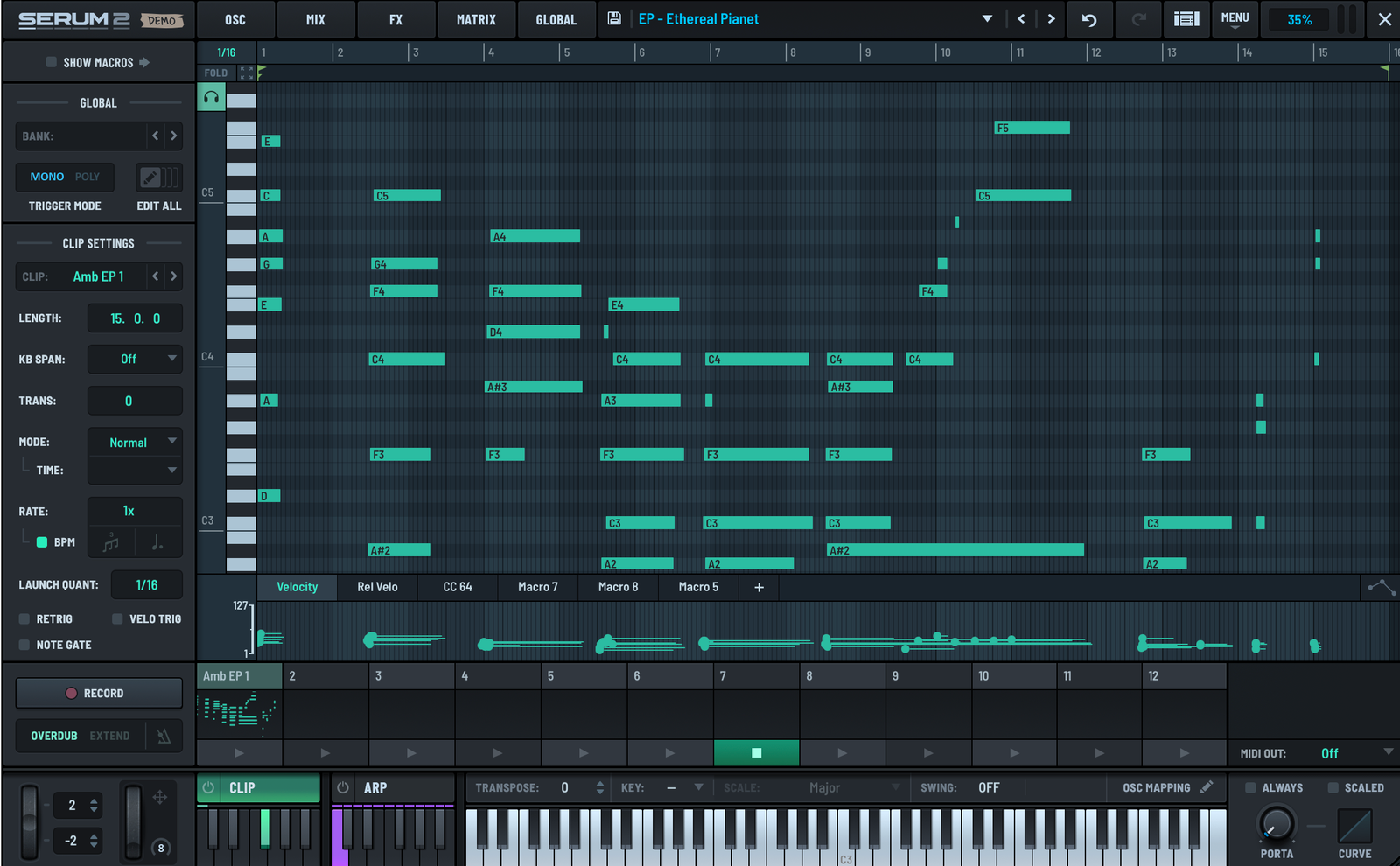
Serum 2 does include an arpeggiator and even a clip system, but overall, Pigments feels more composition-oriented, while Serum feels more focused on sound design.
- Interface and Usability
This is probably the biggest difference in day-to-day use. Pigments 7 has one of the cleanest and most visually appealing interfaces I’ve used. Everything is easy to find, modulation is clear, and the overall layout encourages experimentation.
Serum 2 is more functional and dense. It gives you more control, but it can feel a bit more technical, especially when working on complex patches. Once you get used to it, it’s very powerful, but it doesn’t feel as immediately inviting as Pigments.
In Practice
- EDM Production (Leads, Basses, Drops)
When I’m working on heavier electronic stuff, I almost always reach for Serum 2 first. It has that clean, aggressive, and punchy character that just cuts through a mix. Designing supersaws, basses, and leads feels very controlled, and the unison engine alone makes a big difference.
Pigments 7 can get there too, but it takes a bit more shaping. It tends to sound slightly softer by default, which isn’t a bad thing, just different. For straight-up EDM impact, Serum 2 feels quicker and more predictable.
- Melodic House, Ambient, and Pads
This is where I naturally switch to Pigments 7. It feels more inspiring for pads, plucks, and evolving textures, and I don’t have to fight the sound to make it sit well. It just feels more “musical” right away.
I also find myself using the sequencer and modulation more here. It’s easy to create movement without overcomplicating things. Serum can absolutely do these sounds, but Pigments makes the process feel more effortless.
- Deep Sound Design
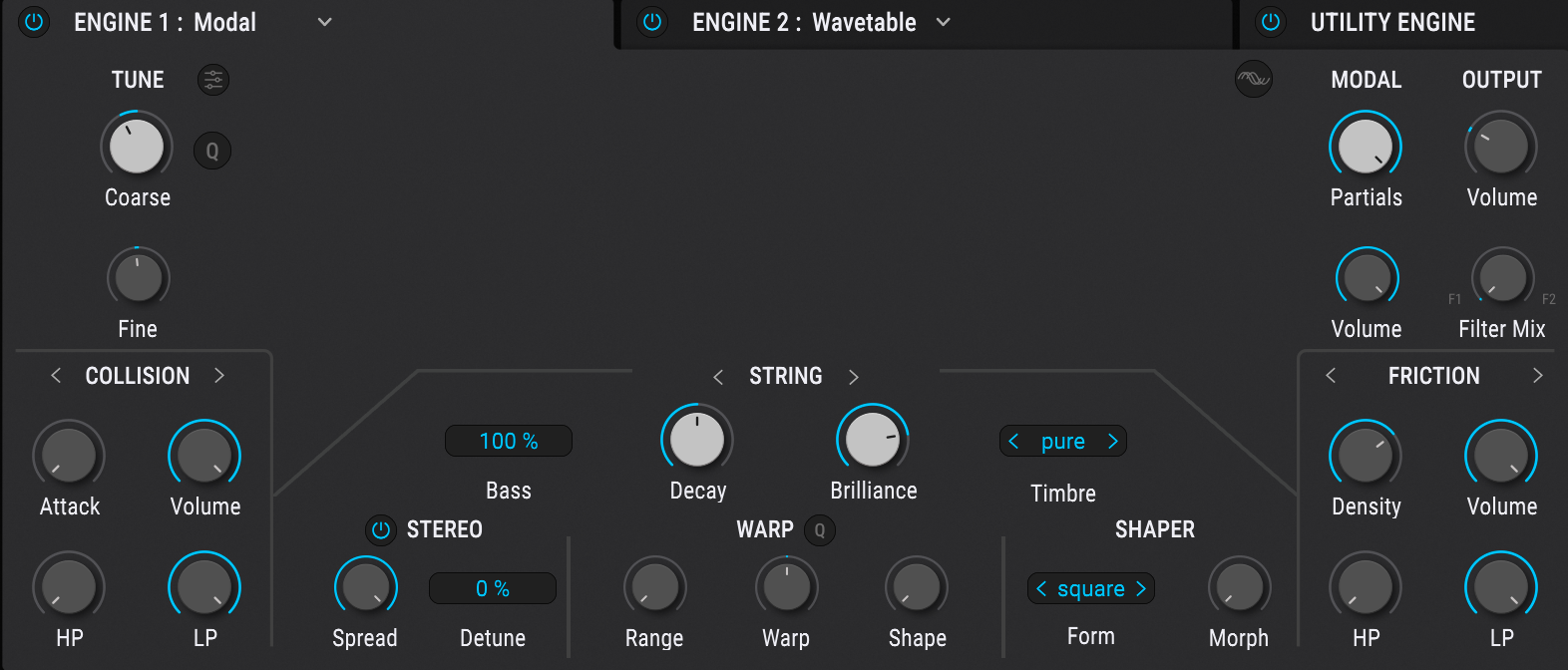
When I want full control and precision, Serum 2 is my go-to. The modulation system, matrix, and routing options make it much easier to build complex, detailed patches from scratch. It’s the synth I trust when I know exactly what I want to create.
Pigments is still powerful, but it feels less surgical. It’s more about exploration than precision in this context.
- Creative Exploration and Idea Generation
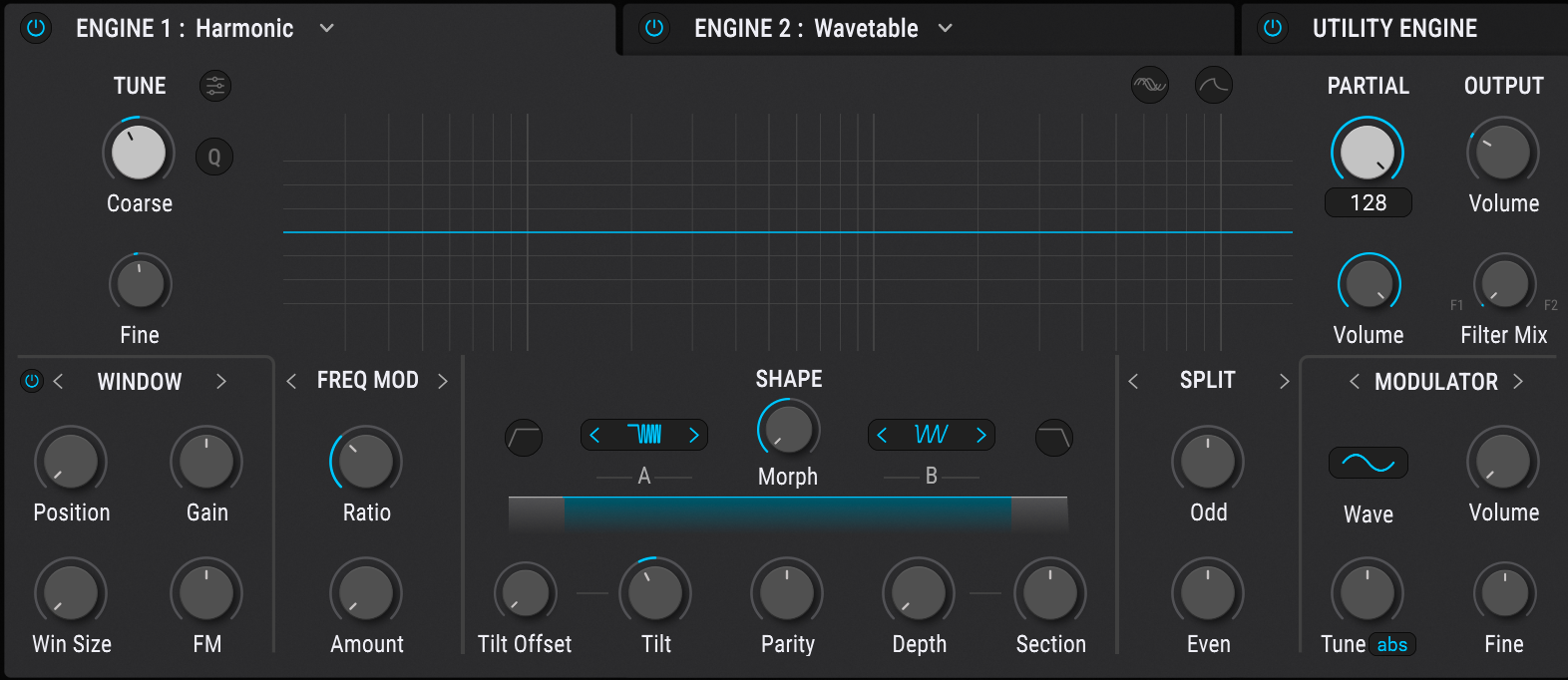
If I don’t have a clear idea and just want to experiment, I almost always open Pigments 7. The interface, visual feedback, and modulation tools make it really easy to try things quickly and stumble onto interesting sounds.
It’s one of those synths where I end up creating sounds I didn’t plan. Serum can do this too, but Pigments feels more naturally suited for that kind of workflow.
Preset Design and Professional Workflows
For more structured work like preset design or commercial sound packs, I tend to lean toward Serum 2. The precision, modulation control, and consistency make it easier to create sounds that translate well across different projects.
Pigments is still great here, especially for more musical or stylistic presets, but Serum feels a bit more “standardized” in how it behaves.
- Live Performance and Playability
Pigments 7 has a clear advantage for live use. The Play view, macros, and cleaner interface make it easier to interact with sounds in real time without getting lost in parameters.
Serum 2 is more powerful under the hood, but it’s not as performance-oriented visually. For live tweaking and expressive playing, Pigments feels more comfortable and immediate.
Performance
Both Serum 2 and Pigments 7 are modern hybrid synths, so neither is particularly light on CPU. In my experience, they’re both usable in real projects, but you do start to feel the load once you stack multiple instances or build more complex patches.
| Feature | Serum 2 | Pigments 7 |
| Plugin Formats | VST3, AU, AAX | VST3, AU, AAX |
| Standalone Version | No | Yes |
| Operating Systems | macOS, Windows | macOS, Windows |
| CPU Load (General) | Moderate → High (scales with complexity) | Moderate → High (can spike with engines + modulation) |
| Heavy Patches | Gets heavy with multiple oscillators, unison, and FX chains | Gets heavy with multi-engine setups and modulation/sequencer use |
| Multiple Instances | Can add up quickly in complex projects | Also adds up, but sometimes feels slightly easier to manage depending on the patch |
From my experience in Logic Pro and FL Studio, both synths can become CPU-heavy, especially with unison, effects, and complex modulation. Serum 2 can push things harder when you really dive into its depth, while Pigments can also add up quickly due to its multi-engine architecture.
Overall, I’d say performance is fairly similar: both are powerful, both can be demanding, and in real-world use, you’ll likely end up freezing or bouncing tracks when projects get larger.
Conclusion
After spending a lot of time with both, I don’t really see Serum 2 and Pigments 7 as direct competitors; they feel more like complementary tools.
If I had to sum it up simply:
- Serum 2 is my go-to when I want precision, control, and powerful, mix-ready sounds
- Pigments 7 is what I open when I want inspiration, flow, and musical ideas quickly
Serum 2 gives me that confidence when I need to build something very specific or technically complex. Pigments, on the other hand, often surprises me, it’s the synth I use when I want to explore and let the sound take me somewhere unexpected.
If you’re choosing just one, it really comes down to how you work.
- If you enjoy deep sound design and detailed control, Serum 2 will feel like home
- If you prefer a more visual, intuitive, and creative workflow, Pigments 7 will probably click faster
Personally, I’m happy having both. They cover a lot of the same ground, but they push me in different creative directions, and that’s exactly why I keep coming back to each of them.

Berk is a multi-instrumentalist musician from Istanbul, Turkey. He has been playing guitar, handpan, and percussion for over ten years, developing a sound that blends melodic sensitivity with rhythmic depth.
He began his musical journey as a teenager, learning guitar and performing in several bands. In 2016, he discovered the handpan, an instrument that immediately resonated with him on a deeper level and gradually became central to his artistic identity.
Since then, he has performed in streets, festivals, bars, and concert venues across different countries, connecting with diverse audiences through both intimate and large-scale performances.
Alongside his live work, Berk is deeply involved in studio production. He works from his home studio, where he composes, records, and produces his own music. His studio serves as a creative space for layering handpan, guitar, and percussion with modern production techniques, allowing him to shape fully realized, atmospheric compositions from start to finish.
His music explores a wide range of genres and textures, combining organic acoustic instruments with detailed studio production to create immersive and expressive soundscapes.