

Some wear them as a badge of honor and a sign of dedication, while others see them as a necessary step in their musical journey as an obstacle to overcome; in this article, we’ll discuss calluses and how to tend them.
Guitar calluses are an essential aspect of playing the guitar; these thickened patches of skin form on the fingertips as a natural response to the pressure and friction exerted while fretting the strings. They protect your fingertips from pain and enhance your playing technique and endurance. However, sometimes calluses can peel, causing discomfort and hindering your playing ability.
Peeling calluses can be caused by various factors, including dry skin, excessive playing, or improper care. This article will explore practical methods to prevent your guitar calluses from peeling, ensuring that your fingertips remain tough and well-protected for enjoyable and efficient guitar playing.

Understanding Calluses And How To Get Them
Before delving into preventing calluses from peeling, let’s briefly understand what they are and why they are crucial for guitarists. When you play the guitar regularly, the strings press against your fingertips, causing microtears in the outermost layer of skin.
In response to this stress, your body initiates a natural healing process, producing thicker, tougher skin to protect against future damage. These calloused areas protect your fingertips from pain and enhance your playing technique and endurance.
Building calluses is a gradual process that requires patience and consistency. It‘s crucial not to overdo it, as it can lead to pain and hinder your progress. Follow these steps for gradual progression:
-
- Start With Short Practice Sessions
When you begin playing the guitar, start with short sessions to allow your fingertips time to adjust gradually. Limit your practice to around 15-20 minutes per day initially.
This approach helps prevent excessive stress on the fingertips, reducing the risk of blistering or other injuries. - Increase Practice Time Gradually
Add 5-10 minutes to your practice routine every few days. As your fingertips adapt and callouses form, gradually increase your practice time. This gradual progression will help you build them naturally, ensuring they are robust and well-developed. - Identify Calloused Areas
After a few weeks of consistent practice, you will notice areas where they have started to form on your fingertips. These typically appear as slightly raised and hardened patches of dead skin. - Avoid Overplaying
While you want to practice regularly to build callouses, it’s equally important to avoid overplaying. Pushing through discomfort or pain can lead to injuries and setbacks. Listen to your body and give your fingers adequate time to heal and strengthen between practice sessions.
- Start With Short Practice Sessions
How To Get Calluses Faster
Play regularly and consistently, as practice is crucial for developing callouses quickly, aim to practice daily. Consistency goes a long way, even if it’s just for short periods. Also, consider using lighter gauge strings on your guitar, these exert less pressure on your fingertips, allowing them to adapt more comfortably.
Incorporate finger exercises into your practice routine to strengthen your fingers and encourage callous formation. And lastly, be patient and persistent: playing and building calluses takes time and varies from person to person.
Focus on your practice, and you will notice progress over time.
Why Do Callouses Peel?
Several factors can contribute to its peeling. Excessive moisture from prolonged exposure to water, for example, can soften the skin and cause them to peel. On the other hand, overly dry skin can also lead to cracks and peeling.
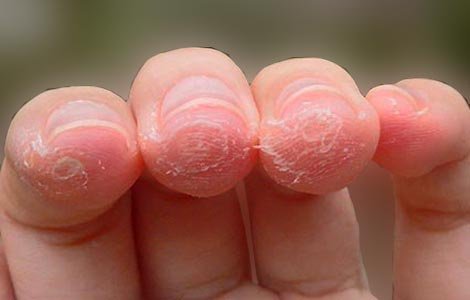
Playing the guitar for extended periods without adequate rest can cause excessive pressure on the callused areas, leading to peeling and sensitivity, as poor playing technique, such as pressing too hard on the strings or using excessive force, can also cause calluses to wear down and peel.
It is also important to mind eternal irritants such as exposure to chemicals, or rough surfaces can damage the calloused skin. And remember to always rest between sessions; premature peeling may occur if they have not fully formed before being subjected to intense playing.
Preventing Guitar Calluses From Peeling
Now that we understand the causes of peeling calluses let’s explore a few strategies and preventive measures to maintain healthy and durable guitar calluses:
-
- Proper Hand Washing and Drying
Wash your hands with mild soap and water; clean your hands regularly to remove dirt and oils that may interfere with callus formation. Dry your hands gently, and pat your fingertips dry with a soft towel after washing, avoid vigorous rubbing, as it can irritate. - Moisturize Your Fingertips
Maintaining the right balance of moisture on your fingertips is crucial. Choose a moisturizer specifically designed for dry or sensitive skin, opt for non-greasy moisturizers. Look for one that absorbs quickly without leaving a greasy residue. Remember to moisturize after playing, apply moisturizer to your fingertips after each playing session to replenish lost moisture. - Improve Your Technique
Adopting proper playing techniques enhances your guitar skills and protects your calluses. It might seem counter-intuitive, as putting extra pressure might lead to more stress and a quicker formation, but press the strings lightly. You guarantee a softer and longer session by applying only as much pressure as necessary to achieve clean notes. Another thing to remember is to experiment with finger placement; adjust your finger positioning on the strings to find the optimal contact point that minimizes excessive pressure. - Keep A Regular Callus Maintenance
Check your fingertips regularly for any signs of peeling, cracking, or irritation. Early detection can prevent more extensive issues. If you notice them rough or uneven, gently use a pumice stone or callus remover to smooth the skin’s surface. Be cautious not to overdo it to avoid causing additional irritation. - Allow Time For Regeneration
Slight discomfort is normal, but if you experience intense pain, stop playing immediately, as pushing through severe pain can lead to injuries and setbacks. Give your fingers a chance to recover and regenerate, so avoid playing until healed. Try to incorporate rest days in your practice schedule to allow your fingertips to recover fully.
- Proper Hand Washing and Drying
Maintain Your Instrument Clean And Regulated
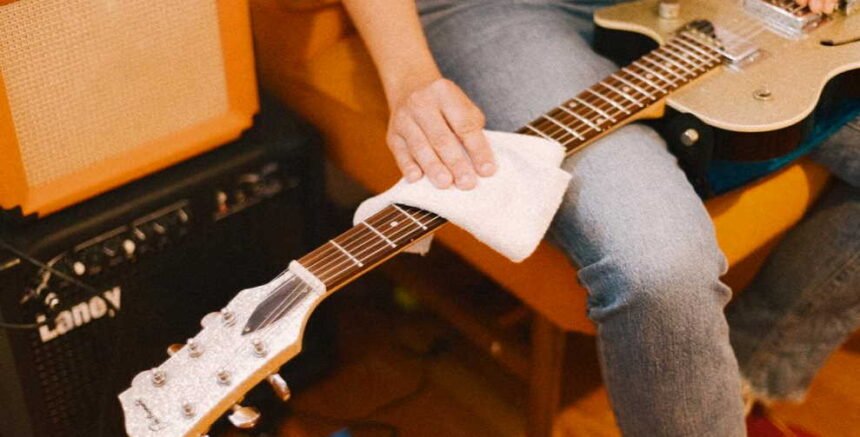
Keeping your guitar strings clean with regular maintenance is essential to remove any dirt or residue that could irritate your fingertips. Here’s a quick five-step tutorial on how to properly clean your strings:
-
- Gather The Materials
You’ll need a clean microfiber cloth or a soft cotton cloth for wiping the strings and a separate cloth for wiping down the guitar’s body and neck. There are specific guitar string cleaning products available in the market. These cleaners are designed to effectively remove dirt and residue from the strings without causing any damage. Another effective option for cleaning guitar strings is the isopropyl alcohol, commonly known as rubbing alcohol. It evaporates quickly, leaving the strings clean and dry. - Wipe The Strings
Firstly, loosen the tension of the strings by turning the pegs counterclockwise until the strings are significantly slackened. Simply apply a small amount of the string cleaner to a clean cloth and gently wipe each string from top to bottom. It is important to remember that whichever product you choose, use it with caution and avoid contact with other parts of the guitar. Always apply the product to the cloth and not directly to the strings to prevent any potential damage. Additionally, after cleaning the strings, using a separate clean cloth to remove any excess residue or cleaner. - Clean The Fretboard
Over time, the fretboard can accumulate dirt, oils, and grime from your fingers. This buildup can cause the strings to stick to the fretboard, making moving smoothly along the neck more challenging. While cleaning the strings, take the opportunity to wipe down the guitar’s fretboard as well. Use a separate cloth to avoid transferring dirt from the strings to the fretboard.
- Gather The Materials
Dealing With Peeling Calluses
You should always avoid aggressive peeling and refrain from forcefully peeling or cutting off calloused skin, which can lead to further irritation and peeling.
It is important to wash the affected fingertips with mild soap and water to prevent infection. Cover the peeled areas with a bandage to protect them from further irritation and friction.
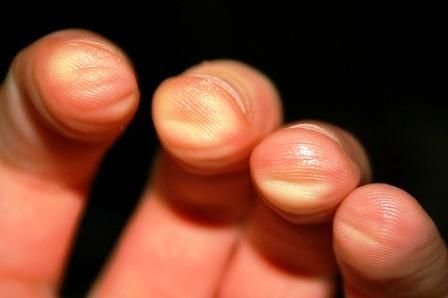
If your calluses become thick and rough, use a soft callus file to smooth the surface gently, but be careful not to remove too much skin and hurt your fingertips.
When To Seek Professional Advice
Sometimes, peeling calluses may be accompanied by pain, inflammation, or infection. If you experience any of these symptoms or if peeling persists despite following preventive measures, it’s essential to seek professional advice from a dermatologist or healthcare provider. They can assess your condition, provide tailored recommendations, and rule out any underlying issues.
Conclusion
Today’s article covered how to stop your guitar calluses from peeling and that this task requires hand care, technique improvement, and regular maintenance. Be patient with the process, and remember that everyone’s callous formation journey is unique.
Employing proper fingering techniques and maintaining a clean guitar contribute to callus preservation.
Furthermore, embrace the journey of building and maintaining calluses as essential to your growth as a guitarist. Your calloused fingertips symbolize dedication, progress, and your love for music.
By following the preventive strategies outlined in this tutorial and paying attention to your fingertip’s needs, you can maintain strong and resilient calluses, enhancing your guitar-playing experience and enabling you to enjoy your playing fully.
So, keep strumming, fingerpicking, and playing your favorite tunes confidently, knowing that your well-maintained calluses have your fingertips well-protected!

The Integraudio Editorial Team consists of experienced music producers, audio engineers, and plugin enthusiasts dedicated to providing in-depth reviews and guides for music production software.