
Welcome to Integraudio’s newsletter roundup of the best new plugins of July 2026.
This month at Integraudio we have a bunch of new plugin reviews by Berk Oztuna including:
10 Best Electric Piano Plugins for Authentic Rhodes and Wurlitzer Sounds
as well as the next episode in Jack Cockrell’s series on how to produce in different Genres.
This month it’s How To Produce Modern Hip-Hop
That rounds out this month’s picks — here’s a closer look at the best new plugins of July 2026, one by one.
July brought a strong run of releases built around speed and precision — from stem separation that finally shed its latency problem to spectral compressors, revived bucket-brigade delays, and a real studio reverb chamber squeezed into a plugin.
Berk has been testing all of them in his studio over the past few weeks, and here’s his breakdown of the best new plugins of July 2026.
15 of the Best New Plugins of July 2026
Baby Audio SubCulture
Get more info and check price on:
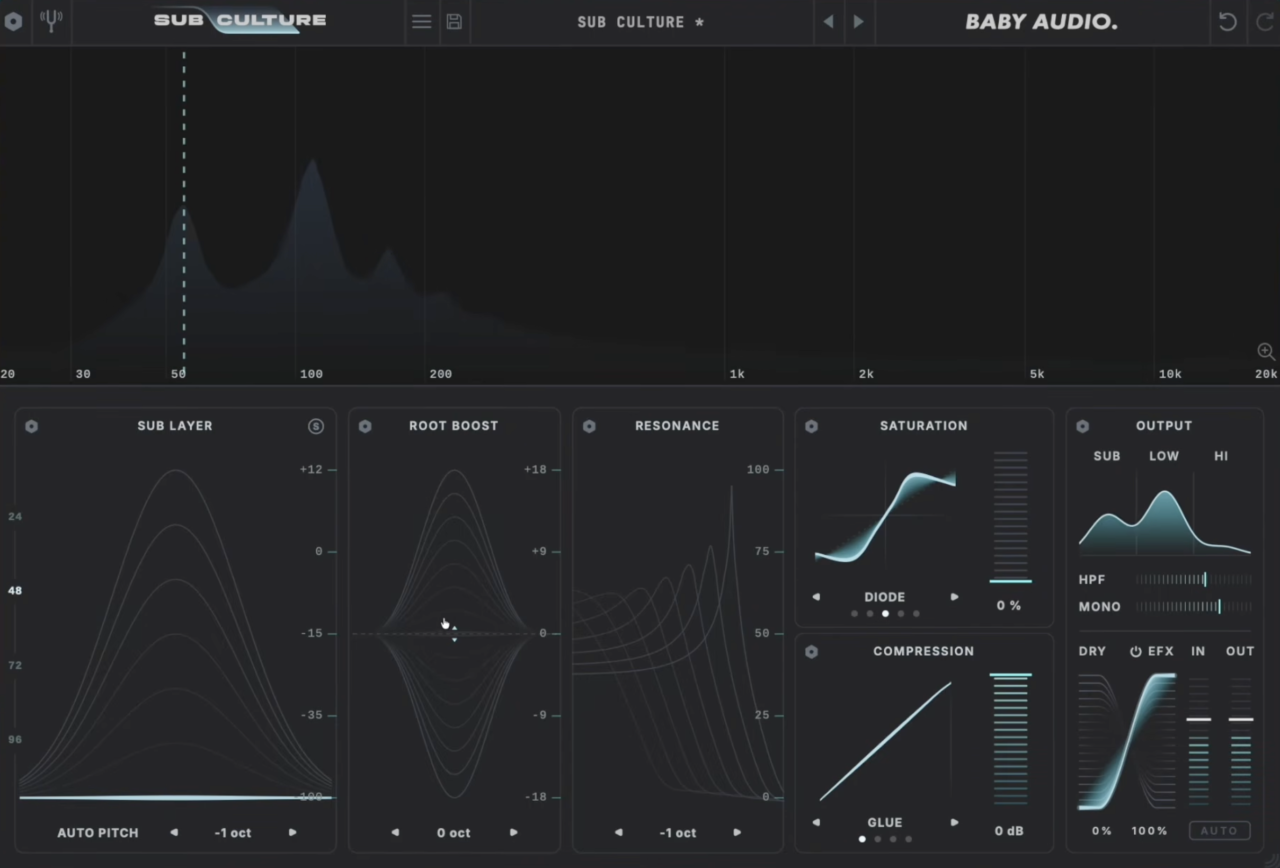
Baby Audio’s SubCulture takes a smarter route to bigger bass by tracking the pitch of a monophonic input and keeping the generated low end locked to every note.
I like that its three enhancement engines derive their character from the original signal rather than simply layering a generic sub oscillator underneath, which should help basses, kicks, and low synth lines sound fuller without feeling disconnected.
zplane Peel Stems 2
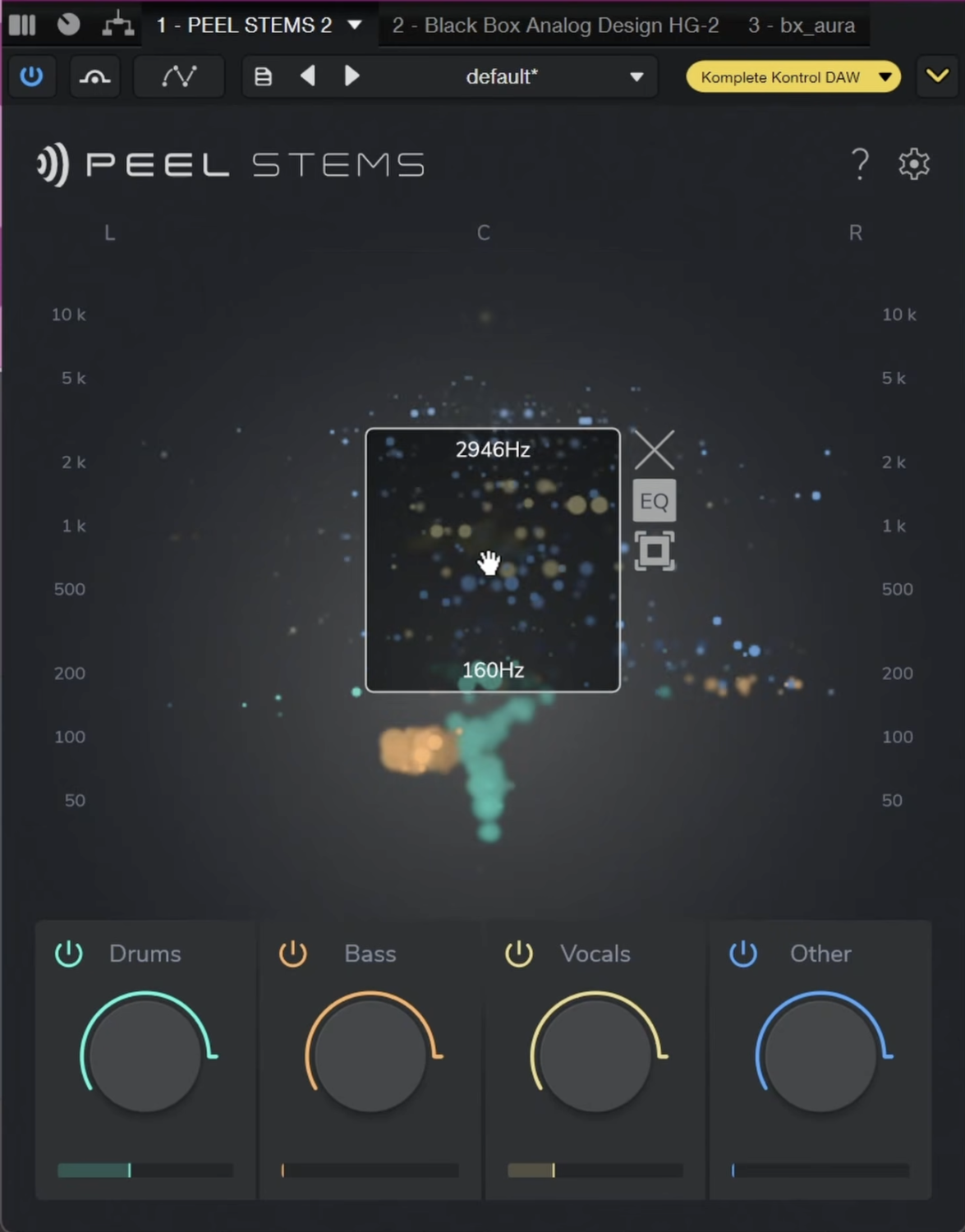
Real-time stem separation becomes much more practical when the delay stops getting in the way, and Peel Stems 2 nearly halves the original version’s latency from 483 ms to 245 ms at 44.1 kHz.
That speed increase, paired with improved separation quality and workflow, makes this look genuinely useful for isolating vocals, drums, bass, and other elements directly inside a DAW rather than exporting everything to a separate application.
Techivation M-Compressor 2
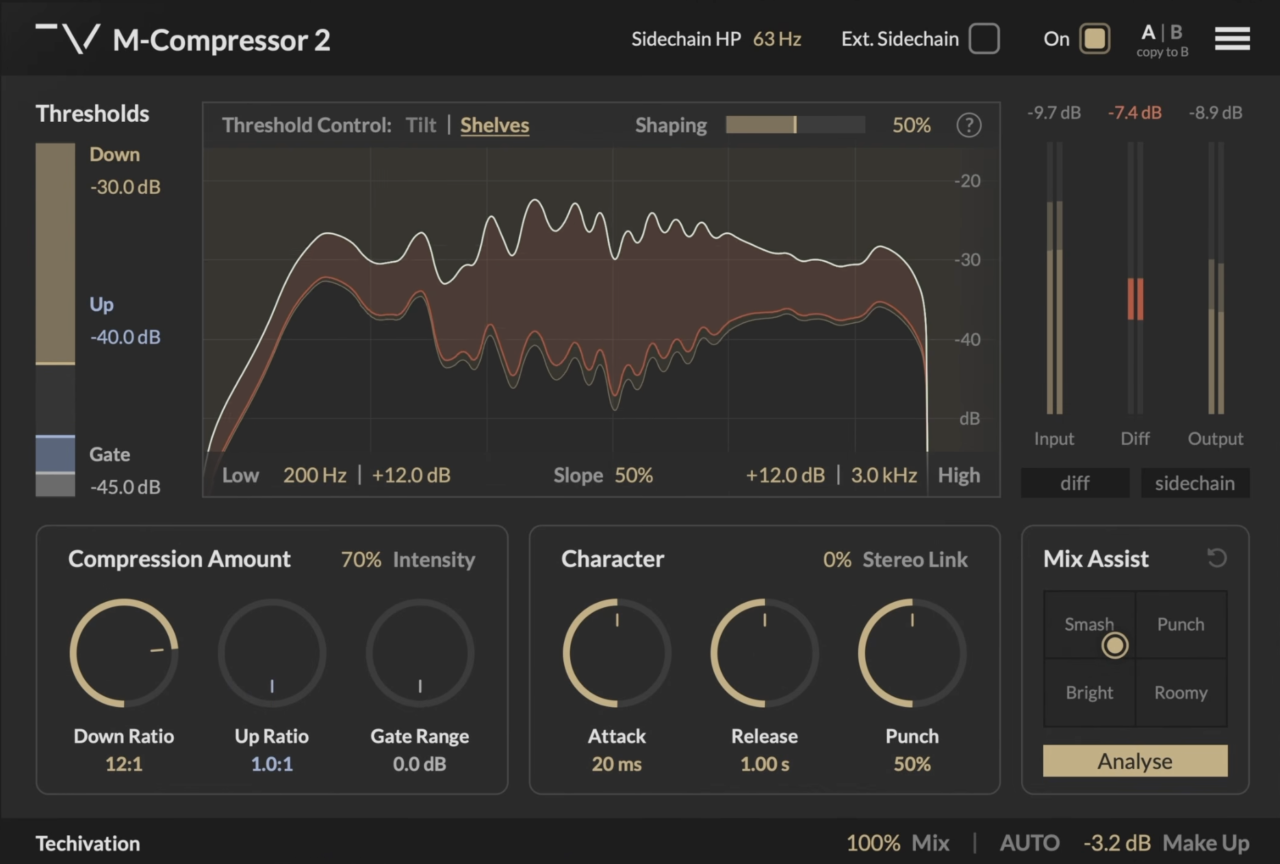
M-Compressor 2 skips fixed crossover bands and works spectrally, combining downward and upward compression, gating, and frequency-dependent shaping in one processor.
The feature I find most inviting is its updated Mix Assistant, which analyzes the audio, creates 12 processing styles, and lets you blend four of them on an XY pad while still exposing every generated setting for manual editing.
KIT Plugins Blackbird Chamber D
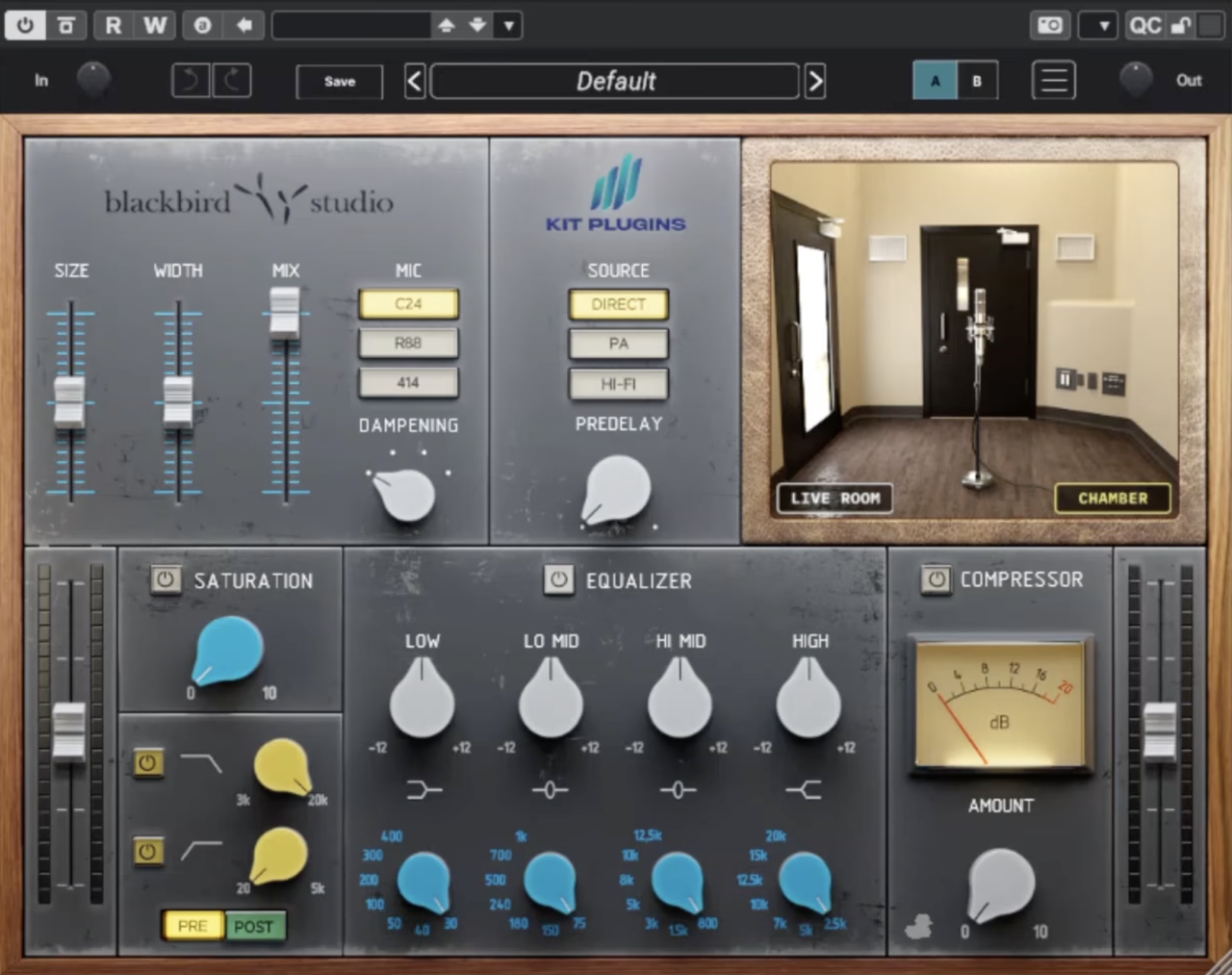
There is something instantly appealing about putting a real studio reverb chamber inside a plugin, especially when that space belongs to Blackbird Studio D.
Beyond capturing its natural decay, Blackbird Chamber D lets you alter the room’s size and width, choose between modeled C24, R88, and 414 microphones, and shape the wet signal with saturation, EQ, compression, filters, and ducking.
PSP Audioware PSP BBDelay
Get more info and price on:
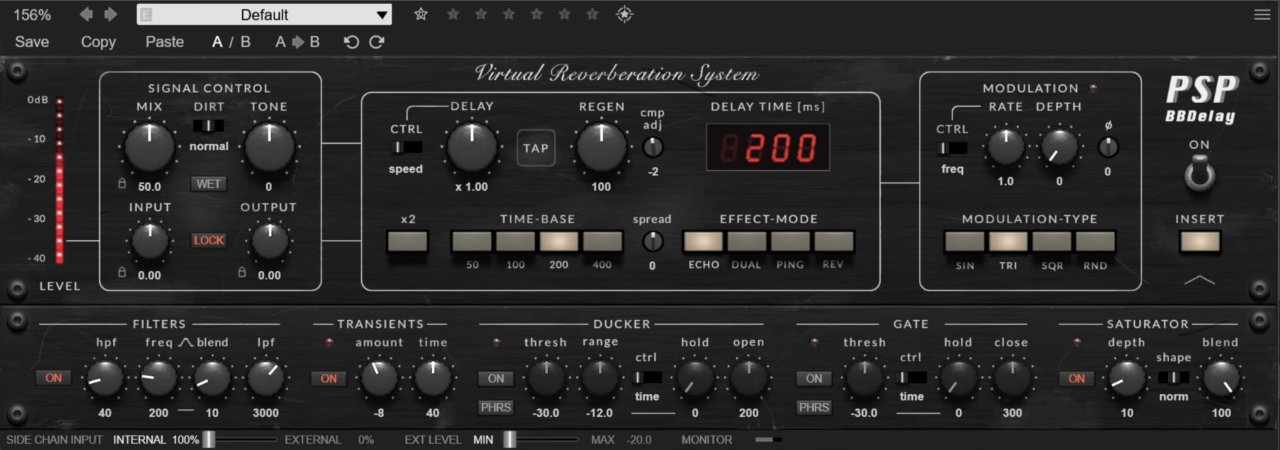
PSP BBDelay embraces the warm repeats, drift, and imperfect movement that made classic bucket-brigade delays so musical, but it does not stop at straightforward vintage echo.
Transient shaping, ducking, gating, saturation, modulation, tone controls, and chip variation give it enough range to move from soft ambience to unstable, heavily processed delay trails, which is much more fun than another overly clean digital delay.
Okay Synthesizer NODES
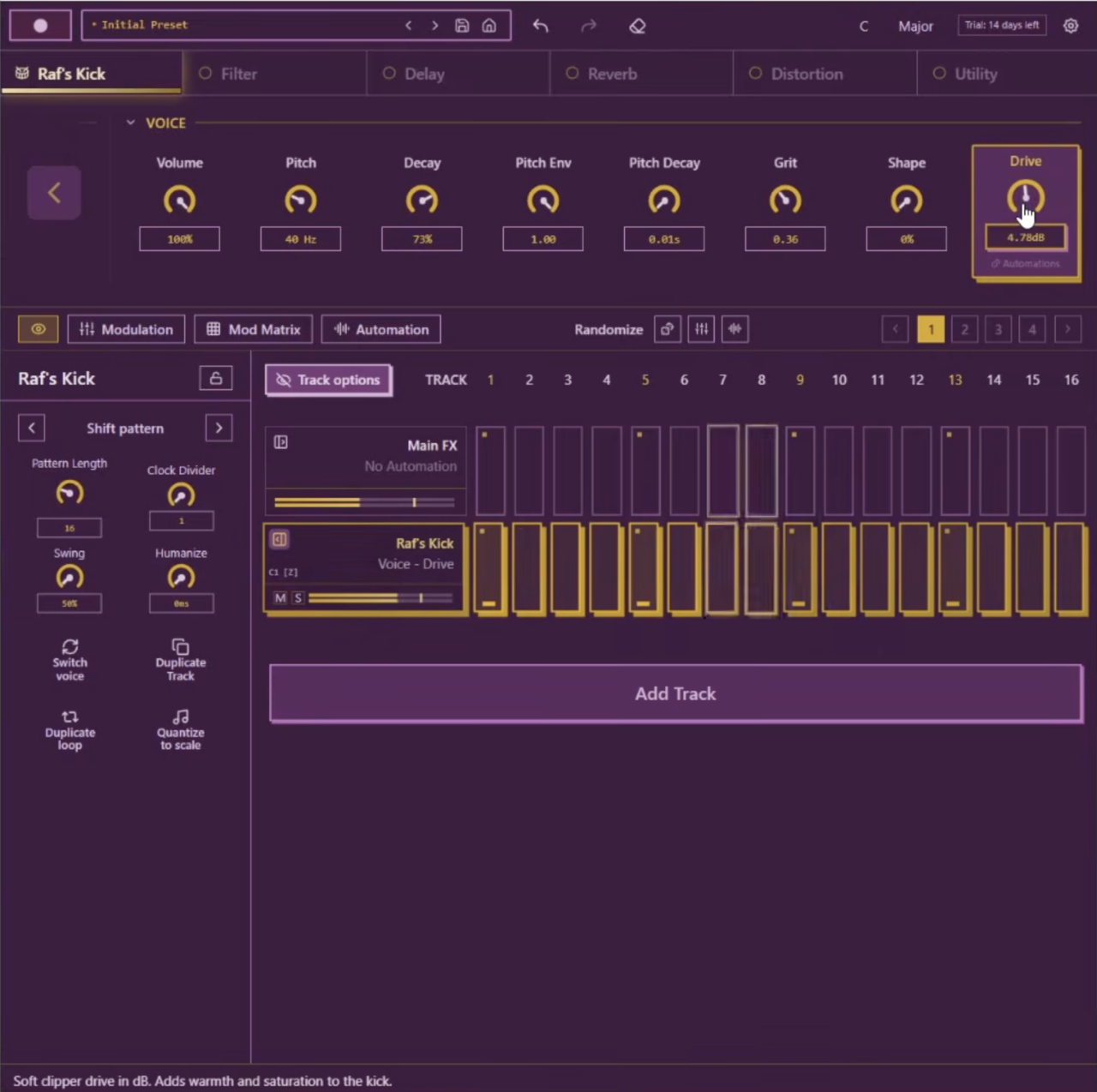
NODES takes the intimidating part of modular effects and turns it into a more immediate, one-click playground for generating and remixing patches.
I like the idea of automatic routing paired with visual controls, since it promises the happy accidents of modular processing without asking producers to spend half the session connecting virtual cables before anything interesting happens.
Polychrome DSP IROKO
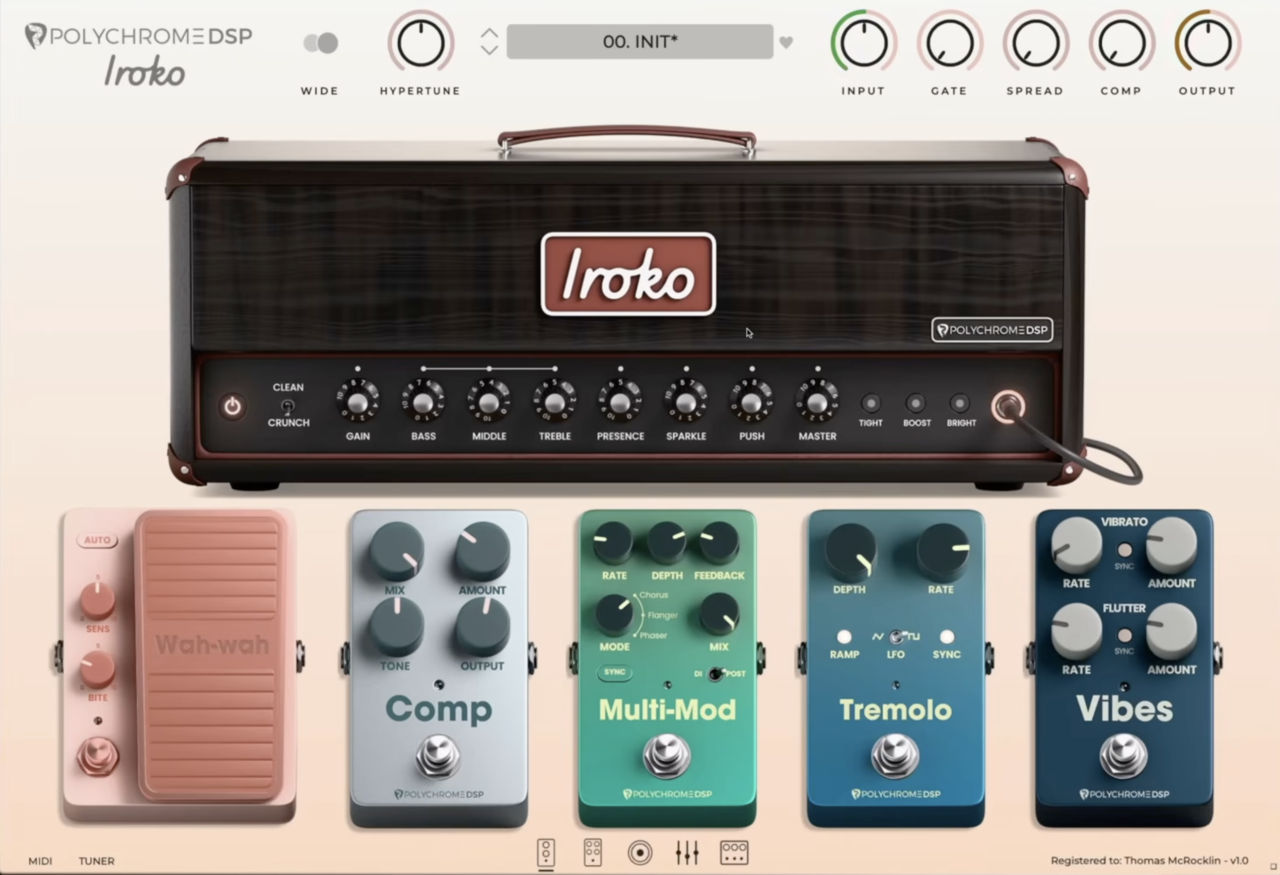
IROKO is a two-channel boutique guitar amp that can effectively become four channels through an additional valve-style Boost stage.
With 20 speaker chains, an extensive effects collection, more than 300 presets, and tones ranging from exotic cleans to saturated leads, it looks like an amp suite designed around responsiveness and personality rather than endless near-identical models.
Boz Digital Labs Automator
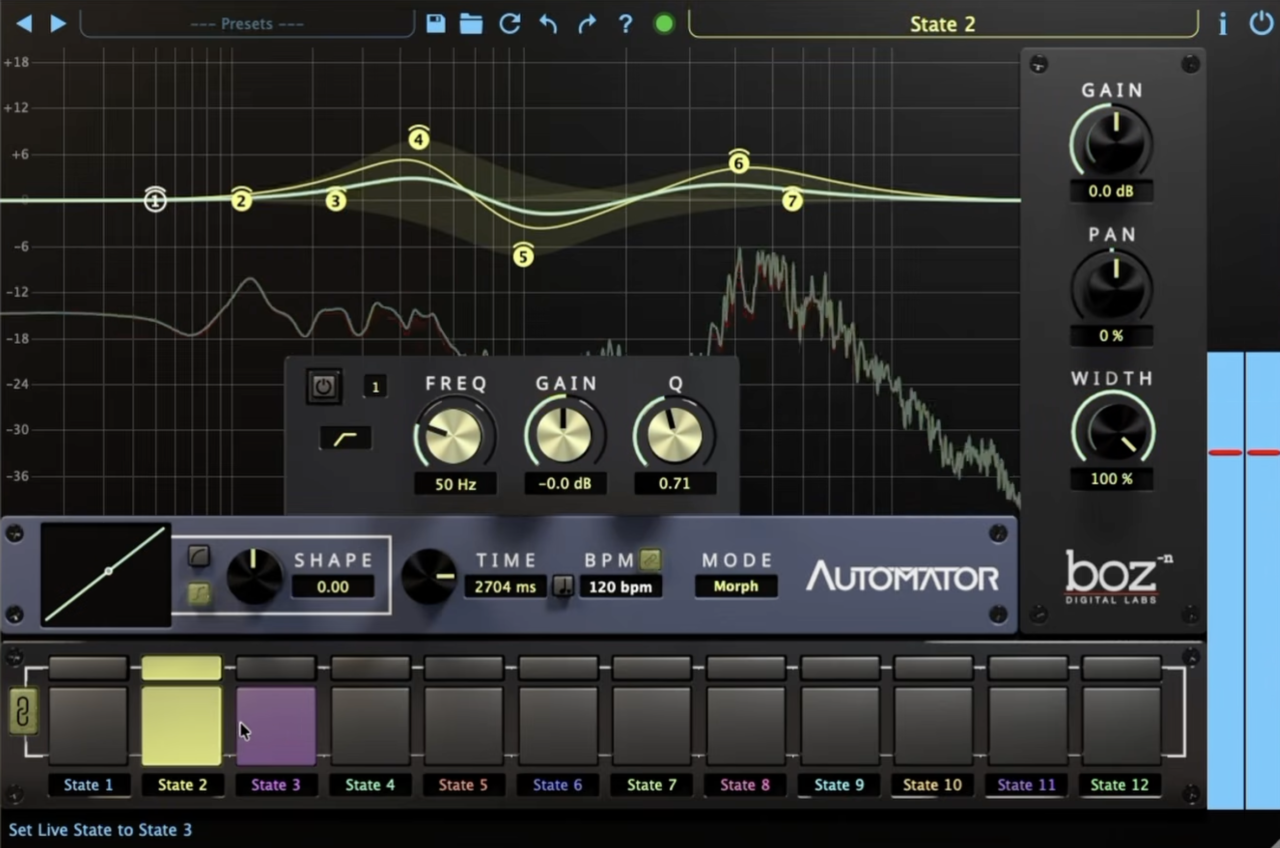
Automation can become a mess surprisingly quickly, so I immediately understand the appeal of Automator collapsing EQ, volume, width, and pan changes into one lane.
It seems especially handy for widening a chorus, tightening a verse, or shifting the tone of a bridge without covering the DAW in separate curves that become difficult to manage later.
HoRNet SpectraDuck
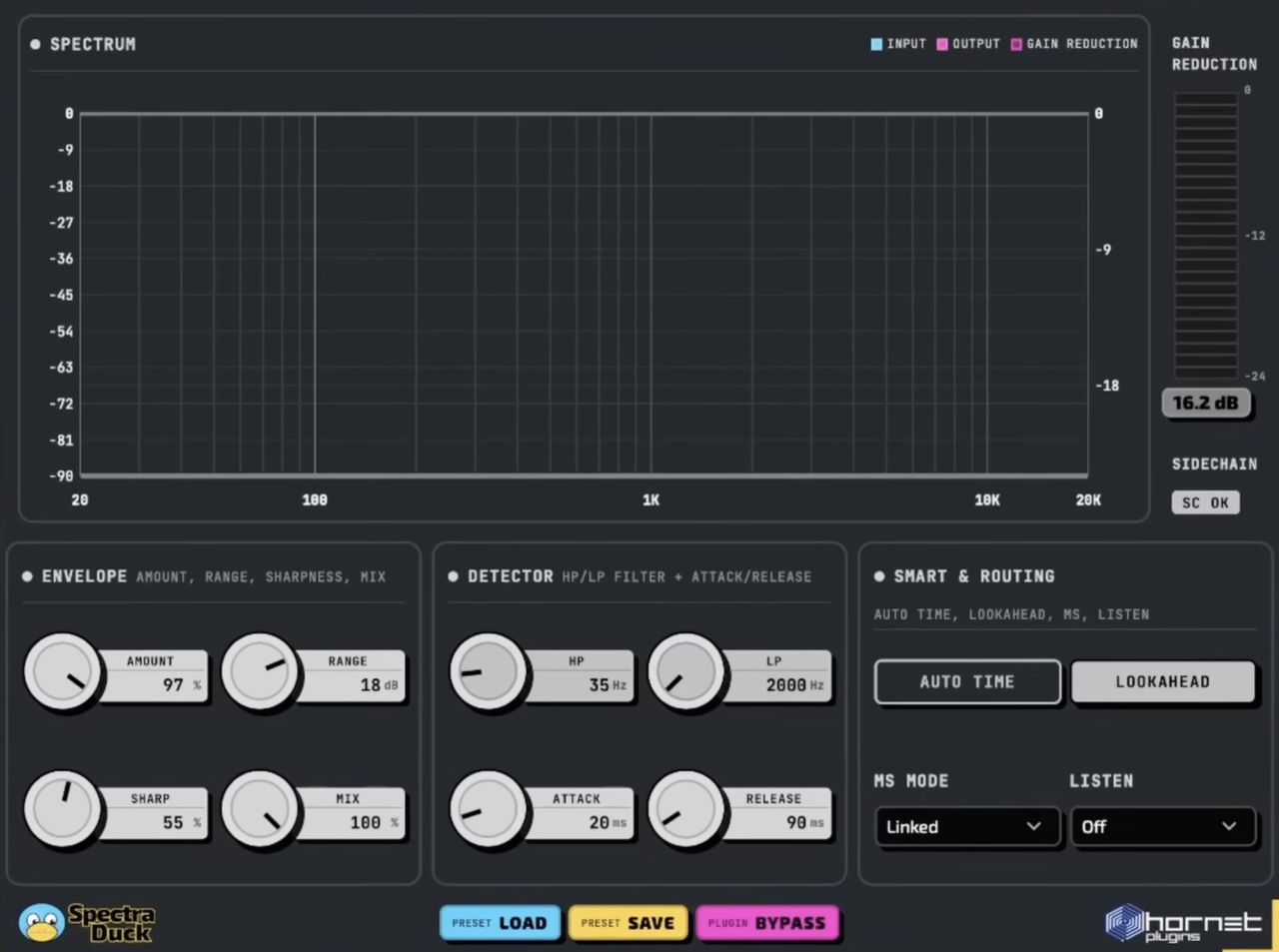
SpectraDuck listens to the frequency content of a sidechain and reduces only the areas where masking is actually happening, rather than turning down the entire signal every time the trigger arrives.
I can see this being much cleaner than conventional sidechain compression when a kick only needs space around 60 Hz or a vocal is fighting a narrow part of a synth, because everything outside the collision remains untouched.
Analog Obsession TheBus
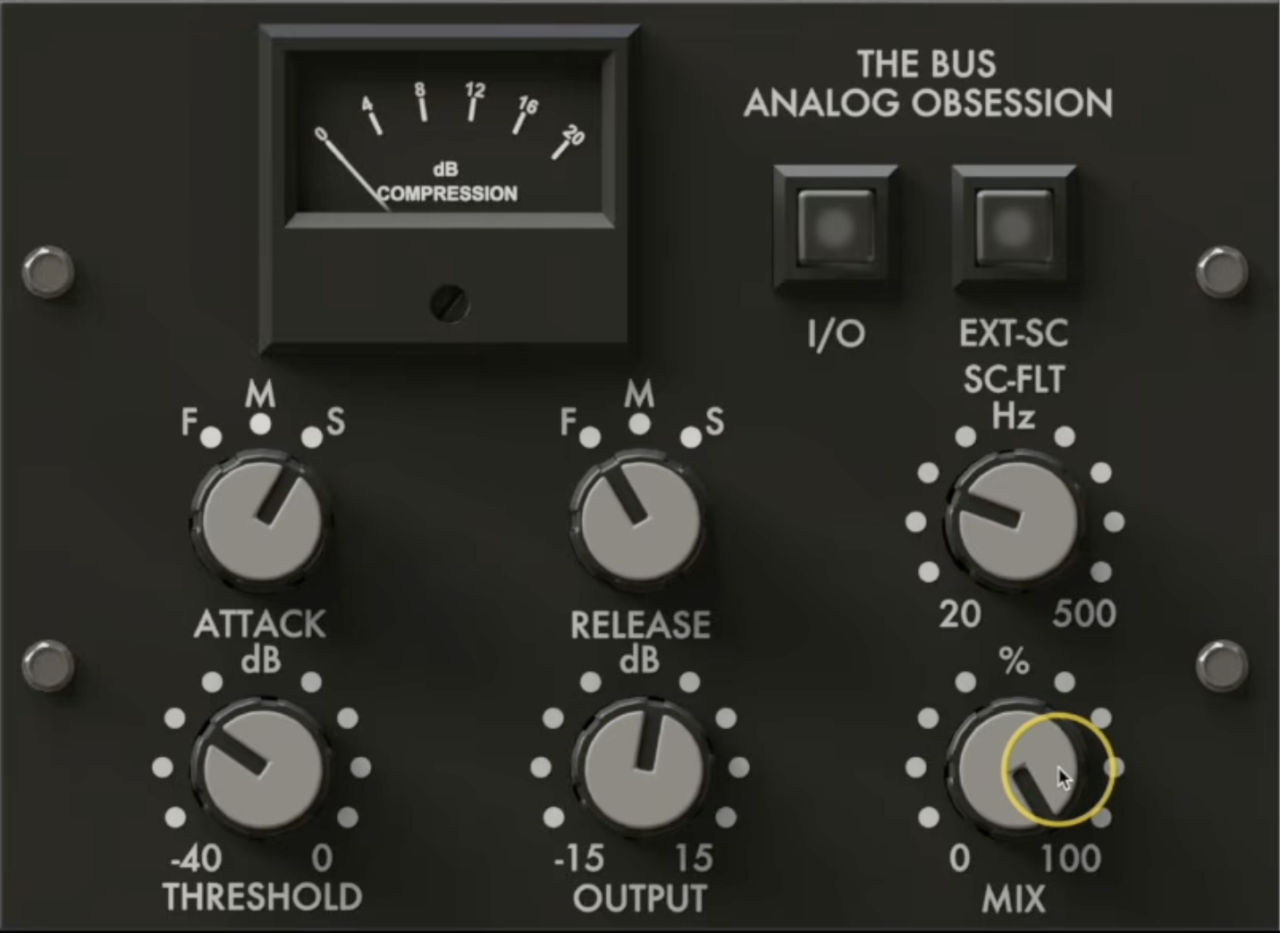
Despite the familiar layout, TheBus is not presented as another hardware clone but as Analog Obsession’s own soft-knee compressor for adding cohesion to almost any source.
Its attack, release, threshold, sidechain filter, external sidechain, and wet/dry controls keep things straightforward, and I can easily imagine its softer character working nicely on drums, percussion, choirs, and group buses that need glue rather than obvious pumping.
Hvoya Audio Gneiss
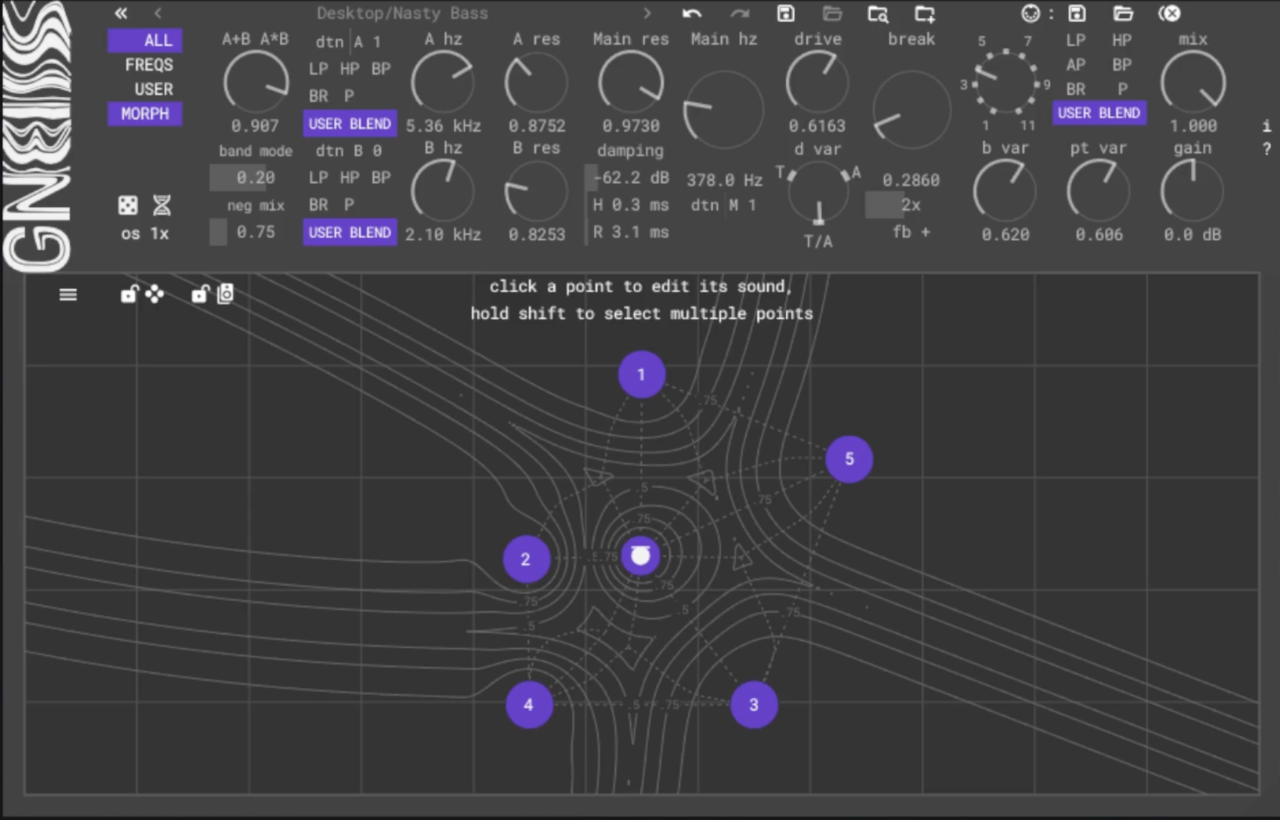
Gneiss is a free filter that seems determined to become an instrument whenever you push it hard enough.
Two resonant pre-filters feed a saturating Moog-style ladder, while an XY morph pad, MIDI-playable cutoffs, wavefolding, bitcrushing, self-oscillation, patch mutation, and up to 8× oversampling turn filtering into a much more chaotic and performable experience.
Outboard-C
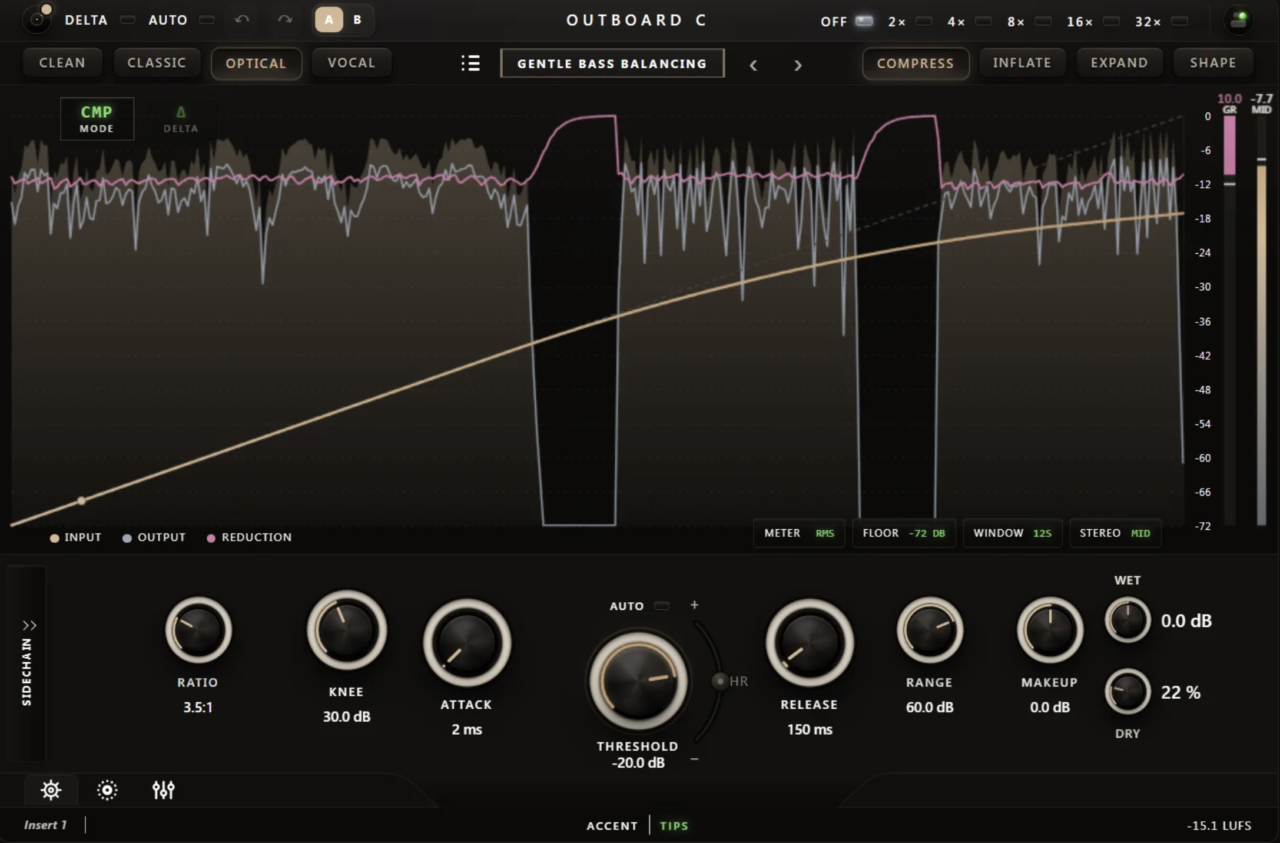
Outboard-C approaches compression through four voicings and four processing directions rather than forcing everything through one fixed personality.
Its Classic, Optical, Clean, and Vocal modes are joined by Compress, Inflate, Expand, and Shape, which makes it sound like a flexible studio tool for moving between conventional control, parallel punch, upward-style density, and more deliberate envelope reshaping.
Slyce
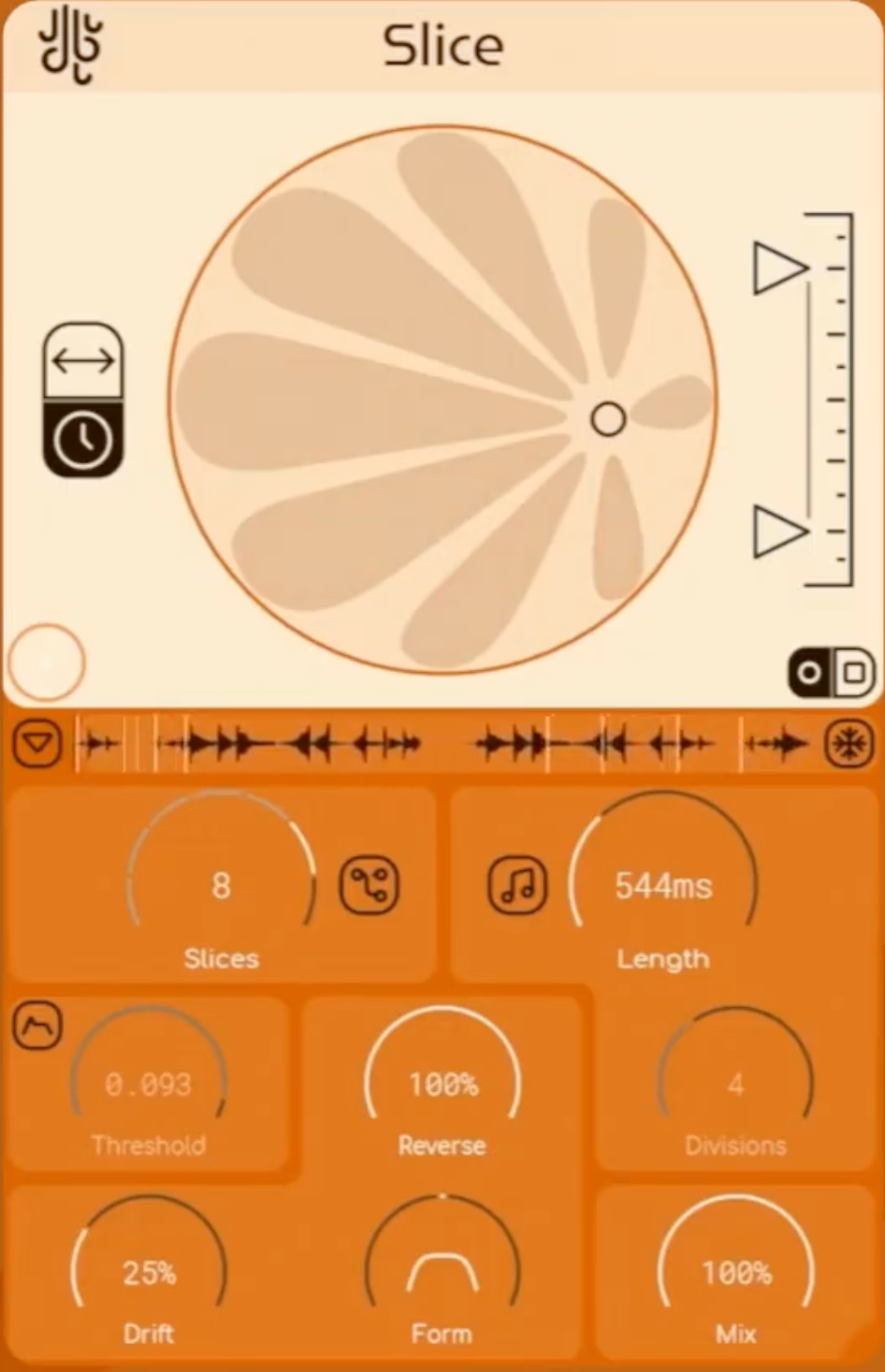
Slyce lets you turn practically any audio file into an instrument through four distinct modes: automatic chopping, pitched melody playback, a built-in synth with 315 sounds, and SFZ sample-bank support.
The included sample editor and six-track loop station with stem export make it surprisingly self-contained, and I like that it can cover quick vocal chops, melodic sampling, drum ideas, and complete loop sketches without leaving the plugin.
Lese Fletcher
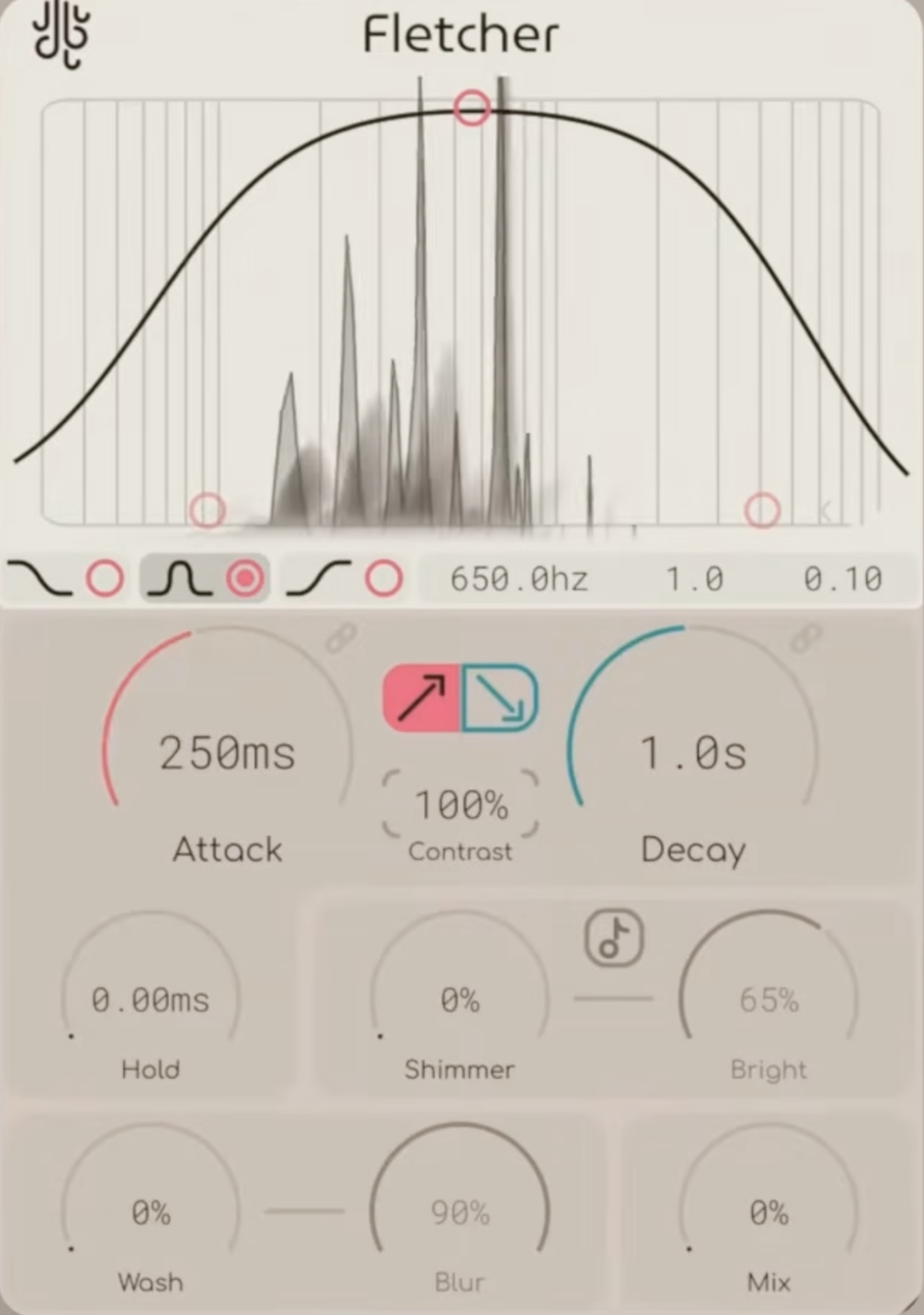
Fletcher works in the spectral domain, continuously using the current frequency profile as a target and gradually morphing the output toward it over time.
That may sound technical, but the creative result is easier to grasp: it can smooth sharp temporal changes and stretch sounds into blurred, evolving forms, which feels ideal for ambient layers, transitions, and sources that need to lose their hard edges.
REVERSIDE
More info and price (free with conditions)
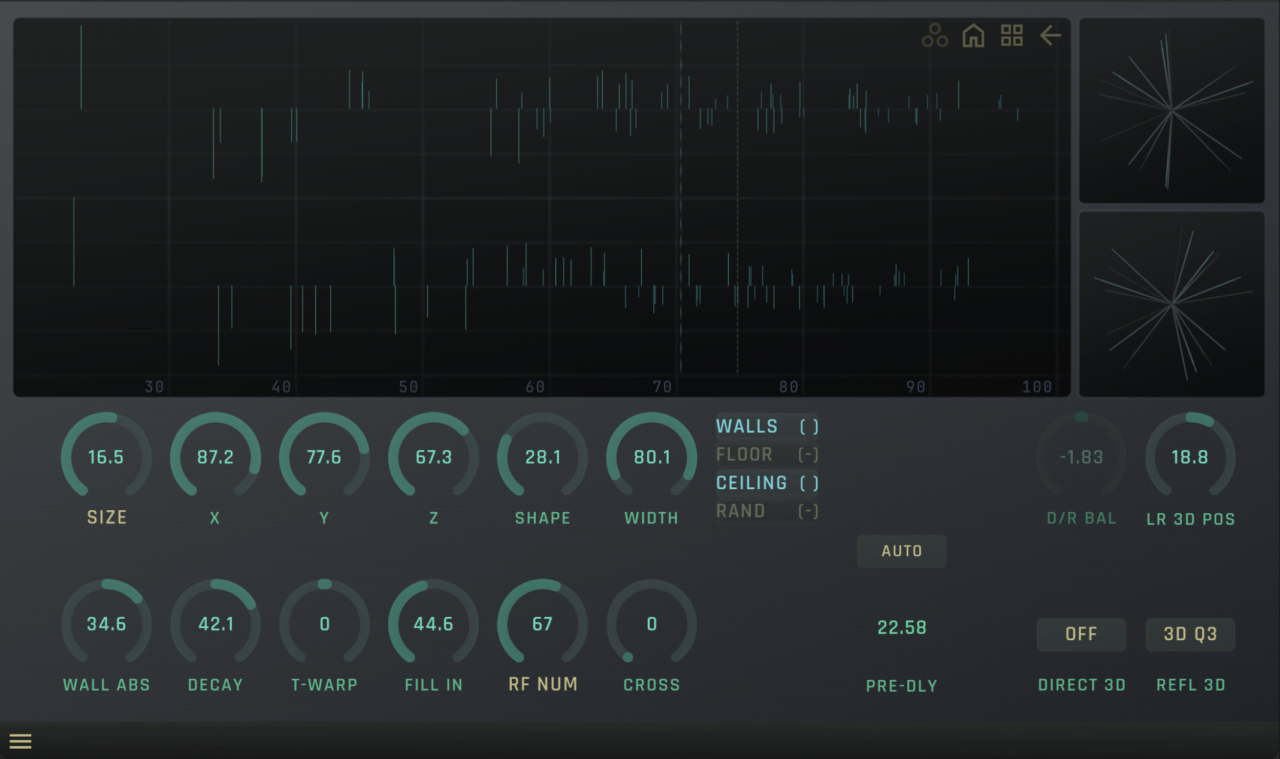
REVERSIDE combines algorithmic reverb with 3D source and listener positioning, giving you more control over depth and space than a typical reverb.
With 14 diffusion models, detailed modulation, filtering, and a simpler Easy page, it looks flexible enough for realistic rooms, cinematic tails, and more experimental ambience.
Last Words
The best new plugins of July 2026 brought a strong mix of practical studio tools, creative effects, and a few genuinely unusual releases.
I like that this month’s list covers everything from smarter dynamics and stem separation to granular movement, spectral processing, and new ways to reshape familiar sounds.

Berk is a multi-instrumentalist musician from Istanbul, Turkey. He has been playing guitar, handpan, and percussion for over ten years, developing a sound that blends melodic sensitivity with rhythmic depth.
He began his musical journey as a teenager, learning guitar and performing in several bands. In 2016, he discovered the handpan, an instrument that immediately resonated with him on a deeper level and gradually became central to his artistic identity.
Since then, he has performed in streets, festivals, bars, and concert venues across different countries, connecting with diverse audiences through both intimate and large-scale performances.
Alongside his live work, Berk is deeply involved in studio production. He works from his home studio, where he composes, records, and produces his own music. His studio serves as a creative space for layering handpan, guitar, and percussion with modern production techniques, allowing him to shape fully realized, atmospheric compositions from start to finish.
His music explores a wide range of genres and textures, combining organic acoustic instruments with detailed studio production to create immersive and expressive soundscapes.