
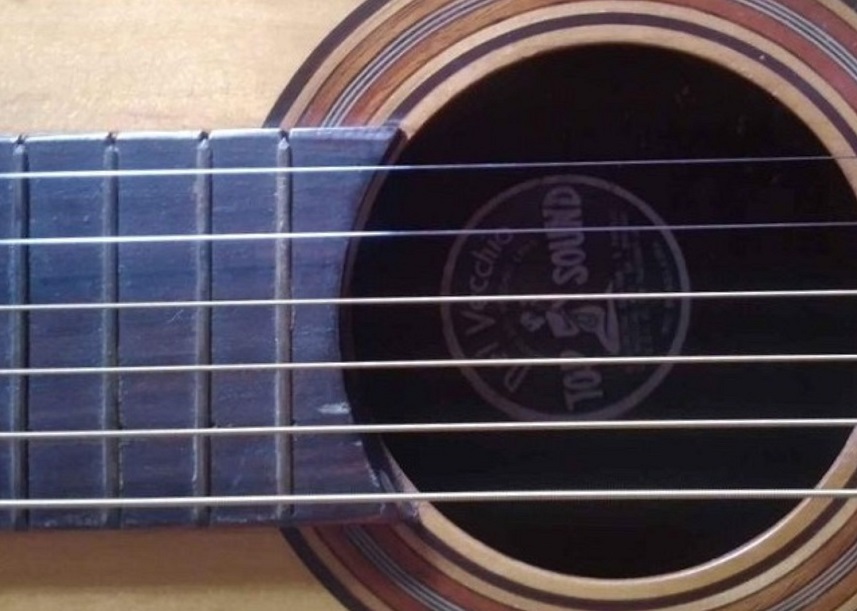
Today we’ll explore the durability and longevity of nylon guitar strings.
While steel strings have long been hailed for their durability, nylon strings have emerged as a popular choice, particularly among classical guitarists and players in genres such as bossa nova, Latin music, and more.
These strings trace their roots back to the 1930s when the renowned chemical company DuPont developed a synthetic polymer known as nylon. Initially intended as a substitute for animal gut strings used in classical guitars, nylon strings revolutionized the world of guitar playing.
They offered consistent intonation, a warm and balanced tone, and a longer lifespan than their natural gut counterparts.
This breakthrough in string technology opened up new possibilities for musicians and paved the way for the widespread adoption of nylon strings across various genres.
Throughout the years, nylon strings have evolved significantly in their composition and construction. The early nylon strings were solid monofilaments, but later advancements led to the development of wound nylon strings, and modern nylon strings feature a core of multiple nylon filaments, which are then wrapped with a thin metal wire. Adding the metal winding enhances the projection and volume of the strings while preserving the fundamental tonal qualities of nylon, and such evolution in design has contributed to improved durability and reduced breakage rates for nylon strings, making them a reliable choice for guitarists seeking long-lasting performance.
This article aims to unravel the mystery surrounding nylon strings and their breaking propensity. By delving into their unique characteristics and exploring the factors influencing their lifespan, we seek to answer the intriguing question: how often do nylon strings break? Join us on this journey as we shed light on the durability of nylon strings and provide valuable insights for guitarists seeking a reliable string choice.
How Often Do Nylon Strings Break?
The frequency of nylon string breakage deeply related to playing style, environmental conditions, string age, and maintenance, and in most cases it can last up to 02 months without any dedicated care. With proper maintenance, nylon strings can offer durability and a longer lifespan, usually between 08 to 16 weeks.
Proper care includes regularly cleaning the strings to remove dirt, sweat, and residue that can degrade the string’s integrity over time. It’s advisable to wipe down the strings after each playing session using a soft cloth or string-cleaning solution.
Additionally, avoiding excessive exposure to extreme temperatures and direct sunlight can help preserve the strings’ condition and prevent premature breakage.
While they may be more resistant to breakage than steel strings, occasional breakages can still occur. However, by implementing good string maintenance practices, guitarists can minimize the occurrence of nylon string breakage and enjoy reliable performance throughout their playing sessions.
What Causes Nylon Strings To Break?
The main reason for nylon strings to break is due to excessive tension, and additional occurrences like aggressive playing techniques, environmental conditions (humidity and temperature fluctuations), string age, and lack of maintenance are also responsible for diminishing its durability.
Excessive tension is one of the primary causes of nylon string breakage. When the strings are stretched beyond their recommended limits, they become more prone to snapping. This can occur due to overturning the strings, using a higher string gauge than what the guitar is currently withstanding, or employing alternate tunings that place additional stress on the strings.
Simultaneously, aggressive playing techniques can also contribute to nylon string breakage. Heavy strumming, forceful picking, excessive bending, or guitar techniques like tapping or slapping can place excessive stress on the strings. The sudden bursts of tension can weaken the strings over time, leading to eventual breakage.

How Do I Keep My Nylon Strings From Breaking?
Maintaining and cleaning your nylon strings ensures their longevity and optimal performance. Here are some key topics and suggestions to keep your nylon strings in top condition:
-
- Regular Cleaning
To remove dirt, sweat, and debris that can accumulate on your nylon strings, it’s important to clean them regularly. Use a soft, lint-free cloth or a string-cleaning solution specifically designed for nylon strings. Gently wipe down each string after every playing session, paying attention to the top and bottom surfaces. This simple routine can prevent the buildup of grime and extend the life of your strings. - Proper Storage
Storing your guitar properly when not in use is crucial for maintaining the integrity of your nylon strings. Keep your instrument in a suitable case or gig bag to protect it from dust, humidity, and temperature fluctuations. Avoid exposing your guitar to extreme conditions, such as direct sunlight or excessive heat, as this can cause the strings to deteriorate faster. By storing your guitar correctly, you can preserve the condition of your nylon strings for a longer period. - Avoiding Excessive Moisture and Dryness
Nylon strings are sensitive to environmental conditions, particularly humidity. Excessive moisture can cause the strings to swell, affecting their tone and playability, while dryness can lead to string brittleness and breakage. Use a humidifier or dehumidifier in your guitar case or room to maintain an optimal humidity level, typically around 45 to 55%. This helps to prevent issues related to extreme moisture or dryness, ensuring that your nylon strings remain in good shape. - Regular String Changes
Even with proper maintenance, nylon strings will eventually wear out and lose their tonal qualities. Regular string changes are crucial to maintain consistent performance and prevent unexpected breakages. The frequency of string changes depends on playing frequency and style. As a general guideline, consider changing your nylon strings every 1-3 months or whenever you notice a significant decrease in tone or playability. By replacing worn-out strings promptly, you can prevent potential breakages during important playing sessions.
- Regular Cleaning
Conclusion
Understanding the durability and lifespan of nylon strings requires a closer look at their construction, maintenance, and the factors affecting their longevity. Nylon strings have come a long way since their inception in the 1930s, offering guitarists a warm and mellow tonal quality that has found a place in various genres. Combining a core of multiple nylon filaments and a metal winding contributes to their unique sound, durability, and balanced performance.
While nylon strings generally offer better durability than steel strings, breakages can still occur. Playing style, environmental conditions, string age, and maintenance practices are pivotal in determining how often nylon strings break. Guitarists can minimize breakages by adopting proper playing techniques, maintaining suitable humidity levels, and regularly cleaning their strings to remove debris.
Proper storage and regular string changes are essential to preserving the integrity of nylon strings. Storing guitars in appropriate cases or gig bags, protecting them from extreme temperatures and direct sunlight, ensures the strings remain in optimal condition. Regularly changing worn-out strings maintains consistent performance and reduces the likelihood of unexpected breakages during important playing sessions.
By following these guidelines and understanding the intricate construction and maintenance processes of nylon strings, guitarists can maximize the lifespan of their strings, enjoy a reliable performance, and appreciate the unique qualities nylon strings bring to their playing experience. Whether you’re a classical guitarist seeking warm tones or a musician exploring different genres, nylon strings’ durability and melodic sound can accompany you on countless musical journeys.
See you next time!

The Integraudio Editorial Team consists of experienced music producers, audio engineers, and plugin enthusiasts dedicated to providing in-depth reviews and guides for music production software.