
There are two kinds of sound cards. External and internal or onboard sound cards perform the same function, audio input, and output but perform differently. Onboard cards are created by the same people who create the motherboard, whereas other sound professionals create external cards.
Manufacturers install onboard sound cards on your motherboard. They are frequently referred to as internal audio cards. The default is for onboard audio cards to interfere with each audio device. In this article, we will go through each fact about the onboard sound card and will know if the onboard card is good enough.
Is Onboard Sound Card Good Enough?
In many cases, including high-end gaming and video or audio editing, onboard sound cards are deemed inadequate. These onboard cards are not intended to receive or transmit high-frequency signals. They are all-purpose audio systems that can assist you with audio.
Onboard sound cards come in a variety of configurations. They are typically integrated into the computer’s motherboard and provide basic sound functionality. You can use them to listen to music, watch movies, or play video games. Many computers lack dedicated sound cards and rely instead on the onboard sound card.
Some gaming motherboards, such as Asus ROG and Gigabyte, attempted to provide a high-quality onboard sound card, but these cards still fall short of the dedicated sound card. While onboard sound cards are typically less expensive than dedicated sound cards, they may lack many features and capabilities in more expensive, dedicated solutions.
Onboard solutions, for example, may not support surround sound or higher-quality audio codecs. Furthermore, onboard cards are not expandable; users cannot upgrade them as they would with a separate sound card. Those looking for more advanced audio features may find purchasing a stand-alone sound card is the best option.
Onboard Sound Card Vs. Dedicated Sound Cards
Both onboard and dedicated sound cards have advantages and disadvantages. It all depends on what kind of audio experience you want and how much money you have. The first comes with the motherboard, while the second is an aftermarket purchase.
Audio Quality
If you want more immersive gaming experiences, a dedicated card will perform better than onboard sound cards. On the other hand, an onboard sound card should suffice if you only want to listen to music or watch movies.
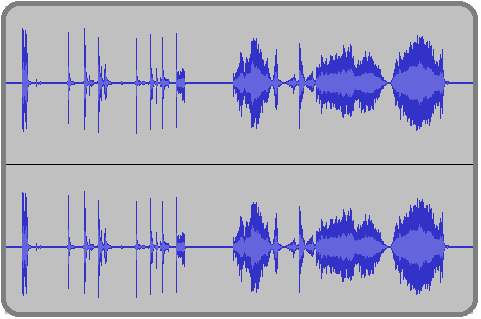
Onboard graphics cards are not recommended for gaming because they cannot capture sudden frequency changes. Dedicated sound cards have a complete software suite, more customization options, and higher audio quality for gaming. A dedicated sound card is a good investment if you are into music production or high-end gaming. So, ultimately, the choice between onboard and dedicated sound cards is yours.
Budget
The performance of each type of sound card is determined by your budget and the type of audio experience you desire. An onboard sound card is a great choice for basic audio needs if you don’t want to spend much money. On the other hand, a dedicated sound card may be worth the extra cost if you want higher-quality audio experiences.
Compatibility
Most motherboards support onboard sound cards, whereas dedicated sound cards may require special drivers or software. This may make installation and configuration more difficult. Furthermore, some dedicated sound cards may be incompatible with certain operating systems or hardware.
Furthermore, onboard cards support all devices except USB audio devices. However, dedicated sound cards may only support specific devices like headphones. As a result, it is critical to check compatibility before purchasing a dedicated audio card.
DACs
Onboard cards do not typically include built-in digital-to-analog converters (DACs) or amplifiers (AMPs). The audio signal is constrained and less powerful than with dedicated sound cards. As a result, onboard cards frequently do not support large speakers.
Dedicated sound cards may include built-in DACs and AMPs to improve audio quality. These cards can also support larger speakers, providing a more immersive audio experience. Furthermore, dedicated cards support external DACs and AMPs, allowing you to connect studio apparatus and equipment to your PC.
Audio Quality of Microphones
Onboard cards are typically incapable of providing good audio quality for microphones, particularly when used for streaming or recording. This is because onboard sound cards lack the required components and processing power to provide high-quality audio.
On the other hand, dedicated sound cards are designed for such tasks and include noise cancellation and equalization features. As a result, they are ideal for producing clear, high-quality audio for microphones. Consider investing in a dedicated card if you are a YouTuber, content creator, or voice-over artist.
Audio Support via USB
All onboard cards, except dedicated cards, support USB audio. It means you can directly connect your USB devices, such as headphones, microphones, and speakers, to the motherboard for improved audio quality. In this case, onboard cards are sufficient.

On the other hand, some dedicated sound cards may support USB audio devices, though they are usually more expensive than onboard solutions. Finally, if you have a large budget for your PC, you should consider purchasing a dedicated sound card.
Which is the best option for headphones? Onboard or external sound card?
We use two types of headphones with our computers. Gaming headphones and everyday headphones Both require varying degrees of audio quality. A dedicated sound card is the best option for gaming headphones because it provides better audio quality, customization options, and gaming performance.
Gaming headphones often use high-frequency audio signals; a dedicated card can provide these signals without any interruptions. Onboard sound cards are sufficient for general-purpose headphones because they provide adequate audio quality and are inexpensive. These cards can handle upto 24 bits and 48kHz audio, which isn’t a big deal.
Conclusion
Your audio needs, budget, and compatibility influence the choice between an onboard and a dedicated sound card. Onboard cards are typically less expensive and installed by the manufacturer, but they lack many features in higher-end sound cards. So, I think onboard cards are only adequate for watching movies, videos, and listening to music. However, for editing and gaming, you must use a dedicated card.

The Integraudio Editorial Team consists of experienced music producers, audio engineers, and plugin enthusiasts dedicated to providing in-depth reviews and guides for music production software.