
To determine if a DAC is more convenient than an audio interface, it is first necessary to analyze the requirements of the devices you will use and what will be its primary use. Although both devices have similar functions, each has different characteristics and purposes.
A DAC (digital-analog converter) is a device that enables a digital signal to be reproduced by a speaker by being converted into an analog signal. All the devices we use that play sounds, such as cell phones, computers, or audio equipment, have an integrated DAC to carry out this function.
On the other hand, an audio interface is a device responsible for simultaneously converting one or more analog signals into digital ones to later work with them in a DAW (digital audio workstation). Conversely, an interface can also convert digital signals to analog. Therefore, an audio interface is a DAC with more inputs, outputs, and preamplifiers optimized for a specific task.
Should I Get A DAC Or Audio Interface?
If you intend to improve the sound quality of a music player to listen to high-quality audio, a DAC is the best option. If, on the other hand, you want to record instruments, edit sound, do live streaming from a computer, or play music through studio monitors, the best option will be an audio interface.
DACs are usually more expensive than audio interfaces and do not have the same versatility. Its only function is to produce high-quality audio by decoding the signal that comes from a digital device. The interface can carry out this task and, at the same time, offers other connection options.
When you listen to music from a computer, you use the built-in sound card to convert the digital signal to analog. If this conversion did not exist, you would not be able to appreciate the sound. Generally, built-in sound cards are cheap, reflected in low sound quality and sometimes even noise or interference. This is where a DAC comes into the picture, taking care of this process, but offering superior sound quality, simply by connecting it to the computer.
An audio interface will convert the sound picked up by your microphones into digital information that you can store, share, edit and process. In the same way, it will convert that digital information into analog to be able to reproduce it through speakers or monitors. Therefore, an audio interface is the most suitable option if your interest is music production. You can also listen to music with high sound quality through an audio interface.
Why Does DAC Make Music Sound Better?
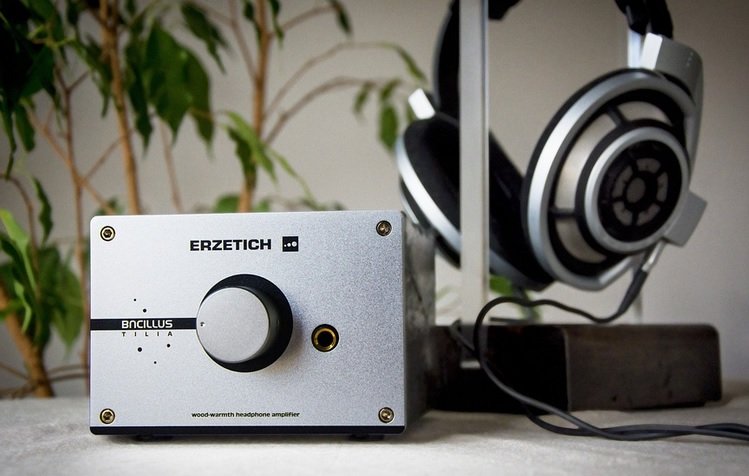
The main reason a DAC can improve a device’s audio is because of the quality of the elements with which it is built. Unlike built-in DACs, where manufacturers often use cheap components, external DACs are designed and built to optimize digital signal conversion.
Due to this, DACs can achieve that the conversion from digital to analog is carried out clearly and with a perfectly transmitted signal, without noise or interference. As a general rule, the higher the quality of components, the better results are obtained.
It is also important that the files that the DAC is responsible for converting have enough information to offer high-quality sound. Compressed MP3 files may not have the exact definition as if you used files in FLAC, WAV, or ALAC format, which can transmit information with great detail.
The speakers you use will also be decisive in achieving high-definition sound since these will be in charge of playing the music that your ears will receive to complete the process. If you had the most expensive DAC on the market but combined it with some cheap speakers with low quality, you would not be getting any benefit from it.
There is a wide range of digital/analog conversion devices available, ranging from hundreds to thousands of dollars, so that we will break them down into Class A, B, and C for further discussion.
- Class A
The highest quality and performance DACs fall into this group. Its price can go from $900 dollars onwards. These devices are for those looking for the best possible sound and fidelity, no matter the cost. For this type of DAC, speakers of the same quality are recommended, and environments with minimal acoustics for the reproduction of high-volume and quality equipment. - Class B
In this range, you will find DACs with a higher price-quality ratio, which are the ones that will best meet the needs of amateur users. The quality is still high at this level, and we can find DACs for an estimated price of between 150 and 850 dollars. It will also be vital that you use them with speakers according to the needs of the DAC. - Class C
Here you will find the DACs mainly oriented to users who use portable devices or are looking for quick solutions to any connection problem. The DACs still have good sound quality in this range without being outstanding. Therefore, they are used to make corrections or to optimize a low-quality device. This type of DAC can have a price range from 50 to 150 dollars.
Is An Audio Interface More Versatile Than A DAC?
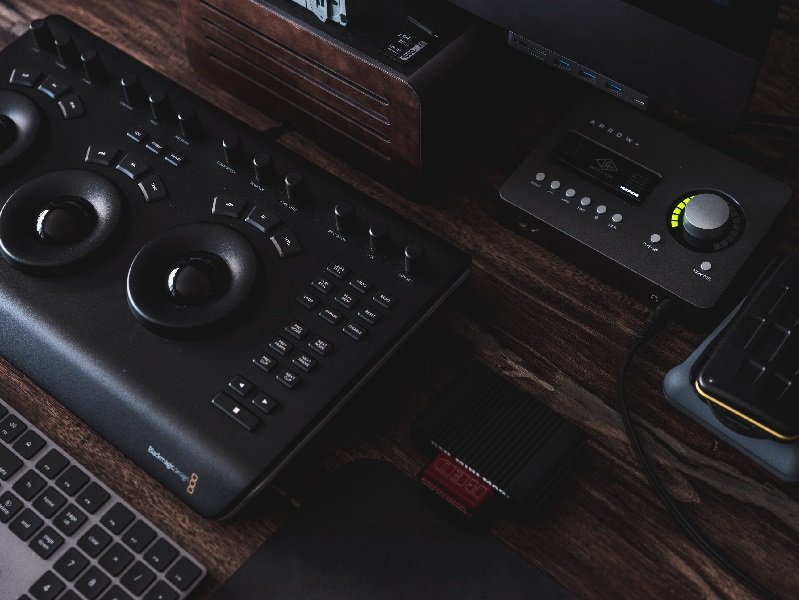
An audio interface is more versatile than a DAC because it has the ability to work in conjunction with a computer through a DAW (digital audio workstation). This makes the audio interface, in addition to being a high-quality converter, a tool that allows you to perform many other functions.
The audio interface is a device designed and created mainly to work in music production. This makes it possible through one interface to record, edit, store and process the audio the way you prefer.
Each interface usually has between two and eight channels in which you can connect microphones and instruments to record simultaneously, obtaining individual tracks stored on the computer. Those with fewer channels are more oriented to home studios, while those with six channels or more have a more professional character, which makes them more expensive.
The fact that the interface can record each channel separately is vital so that you can later process each track. Inside a DAW, you will find digital processors commonly known as “plugins” that allow you to apply EQs, compressions, delays, reverbs, saturation, or any other process the track needs to enhance its attributes. Of course, not all tracks require the same processes. For this reason, the role played by the audio interface in music production is essential.
In addition, the interfaces can also process MIDI instruments, a digital language in which instruments can be sampled using a structure that is fully editable and transferable to other virtual instruments.
Another element that makes the interface a much more versatile device than a DAC is its interaction with studio monitors. The monitors are speakers specially designed to offer a flat response sound without makeup on their frequencies, which allows producers to have greater detail in the music they are working with. Therefore, the monitors are the last step for the interface and can reproduce its high-quality sound after applying digital processes from the DAW and converting the signal to analog once more.
Can anyone notice high-quality sound from low-quality sound?
Most people can tell the difference when it is very obvious. However, this number will be significantly reduced when you compare a high-quality sound with a medium-quality one since the difference will be much smaller, and not all ears will be able to notice the improvements.
The vast majority of the devices you live with daily are optimized to offer a reasonably high level of sound quality. Unlike years ago, when devices played entirely analogically, this brought deterioration due to use as the main drawback.
Nowadays, with the advent of digitization, fidelity and the way of storing music and playing it have notably improved. This made high-quality sound standards and music access much easier.
Therefore, although you can improve the quality of your sound through a DAC, the difference will often be almost imperceptible or not noticeable. It is important to clarify that not everyone has the same hearing sensitivity. Generally, those not related to the world of music or production will have less tendency to notice these sound differences.
What Is The Difference Between An External And An Internal Audio Interface?
The main difference between one and the other is the versatility offered by the external interface compared to an internal one. Although there are models of internal boards that can match the sound quality today, they do not have the number of inputs and options that an external one offers.
Internal audio interfaces can be integrated into the computer’s motherboard or can even be found in a sound card version, which is connected through a PCI slot that computers have. This type of interface combines a DAC with 3.5 mm outputs and inputs. Although it is possible to record instruments from an internal interface, the fact of having few connection options for microphones or instruments is one of the first limitations you will have.
The performance of the internal sound card will also depend on your computer’s processing capacity. Suppose you intend to use only one microphone, for example, to record a podcast, play music, or for sound editing in general. In that case, an internal audio interface may be sufficient to carry out this task. As a plus point, you don’t need to transport an extra device since it integrates into the structure of your computer, while an external one cannot.
If instead, you need to record more than one track simultaneously, use a condenser microphone that requires phantom power to work, or process a MIDI instrument, the external interface will be the right choice. Additionally, this type of device has a preamplifier that allows it to capture the signals that enter it with greater intensity.

How To Improve The Sound Quality Of Your Devices?
Improving the conditions in which your devices work is key to optimizing their performance. Before purchasing new equipment, it is convenient to review issues such as the environment where they work, the wiring that facilitates the connections, and the drivers that make it possible to reproduce sound.
Sound equipment often works at volume levels that cause vibrations on surfaces. Making sure that the speakers occupy a firm place, free of movement, is the first step so that they can sound properly. If there is some vibration, placing a soft surface, such as a piece of cloth or rubber, can prevent movement.
The soundproofing of the environment in which you use your audio equipment can also influence its performance. When a speaker reaches a certain volume level, the sound begins to bounce off the walls, causing an echo reflected as noise and contaminating the original signal.
Paying attention to the shape and layout of the room’s walls can help you find noise problems. Smooth and hard materials are the ones that cause the sound to bounce the most. Placing some acoustic panels where these bounces occur will help counteract this effect and appreciate the sound better.
The wires must be in good condition to work properly. A wire in poor condition can generate noise or interference that will harm the signal they are transmitting. You will find a big difference in quality between the cheap and expensive wire. A cheap wire may not have the necessary insulation or the indicated material to transmit a clean signal. On the other hand, an expensive wire will better resist the passage of time.
Upgrading drivers of your devices regularly can be reflected in improvements in sound quality. Manufacturers of mobile phones, computers, and audio interfaces often release new device driver packages, which you can download for free from the manufacturer’s website. You will find drivers allowing the software and hardware to work properly in these update packages.
Finally, the quality of the speakers will be another determining factor. If you are used to listening to music on low-quality speakers, you may be in for a surprise when you upgrade to better speakers. The same thing happens between cheap headphones and good-quality headphones. The difference can be very big because the materials used in constructing these speakers define the fidelity of the sound. You can have a whole optimized sound structure, which without the right speakers, you won’t be able to take advantage of.
Considering these variants, you can achieve noticeable improvements with a low budget before purchasing a DAC or an audio interface. Investing in good connections, acoustics, or better speakers can be key to improving your sound. If you are determined to purchase a digital-to-analog converter, reviewing all these previous steps will be very important to achieve optimal performance.
Conclusion
As you already know, most devices that play sounds have a DAC. This is because, currently, all devices handle both digital and analog signals. Before deciding if you need a DAC or an audio interface, you must analyze the devices you have to know what you need to add or modify concerning your intentions.
A DAC can considerably improve your sound quality. Still, by itself, it cannot do much, so it is important that you consider what a device of this type needs to offer its maximum performance to get the most out of your investment.
On the other hand, an audio interface can function as a DAC. It offers you a large number of possibilities, and it is a device created to work in conjunction with a computer. Still, if your needs are not oriented toward music production, many of these tools will not have any use.
Analyzing these issues will make things easier for you when making the best possible choice. Understanding how these devices work and informing yourself by looking at reviews of the products that other users publish will be very convenient for you. I hope that article has been helpful and has cleared up some doubts about this topic. Thanks for your time!

The Integraudio Editorial Team consists of experienced music producers, audio engineers, and plugin enthusiasts dedicated to providing in-depth reviews and guides for music production software.