

Today we’ll find out how to stop a capo from buzzing.
Guitar playing can be an incredibly rewarding and enjoyable experience, and a capo is an essential tool for many musicians. Players can quickly change the key of a song by simply clamping the capo onto the fretboard, allowing for greater versatility and creativity in their playing.
However, despite its many benefits, using a capo can also come with a common issue: buzzing. This unwanted sound can detract from the overall quality of the music and make playing difficult.
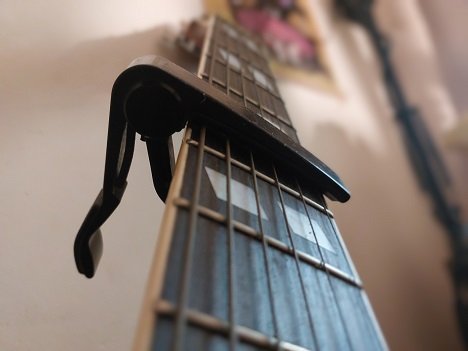
Whether you are a beginner or an experienced player, this article will provide valuable information and advice to help you get the most out of your capo and make the most of your playing time.
Fortunately, preventing capo buzzing is often a straightforward process that can be achieved with simple adjustments. This article aims to provide a comprehensive guide to solving capo buzzing issues.
We will explore the various reasons behind capo buzzing, such as improper placement or loose tension, and provide practical tips and tricks to help prevent this problem and ensure a smooth playing experience.
These steps can help prevent capo buzzing and ensure that your playing is smooth and free of unwanted sounds. With patience and persistence, you can get the most out of your capo and make the most of your playing time.
How do I stop my capo from buzzing?
Preventing capo buzzing is a common concern among guitar players, as it can detract from the overall quality of the sound and make playing difficult. Fortunately, you can take some simple steps to stop your capo from buzzing.
-
- Proper placement
Ensure your capo is properly placed on the fretboard and not too close to the fret wires. This will ensure that the strings are not buzzing against the frets when you play. - Adjust the tension
Make sure the capo is tightened to the right amount of tension. Too much tension can cause the strings to buzz, while too little can result in an inconsistent sound. You can adjust the tension by tightening or loosening the screw on the capo. - Check the string
Ensure that the strings are properly stretched and that there are no kinks or twists. Loose strings can cause buzzing and can be easily fixed by simply tightening the tuning pegs. - Clean and lubricate
Clean the capo and the guitar’s fretboard regularly, and lubricate the capo’s pivot point with light oil. This will help ensure that the capo moves smoothly and reduce the buzzing risk. - Experiment with different capos
If you’re still experiencing buzzing, try experimenting with different capos to see if they produce a different result. Capos have different shapes and designs; some may work better with your guitar than others. - Professional repair
If none of these steps resolve the problem, it may be necessary to take your guitar to a professional for a more thorough inspection and repair.
- Proper placement
What causes buzzing in a guitar?
One common cause of buzzing is an issue with the guitar’s setup, such as improper string height or an incorrectly adjusted truss rod. Another factor that can contribute to buzzing is a loose nut, bridge, or saddle, which can cause the strings to vibrate in a manner that creates a buzzing sound.
Another common cause of buzzing is a problem with the guitar’s frets, such as worn or high frets. This can cause the strings to vibrate against the frets, creating a buzzing sound. In some cases, buzzing may also be caused by the strings themselves, such as if they are old, worn, or not properly wound.
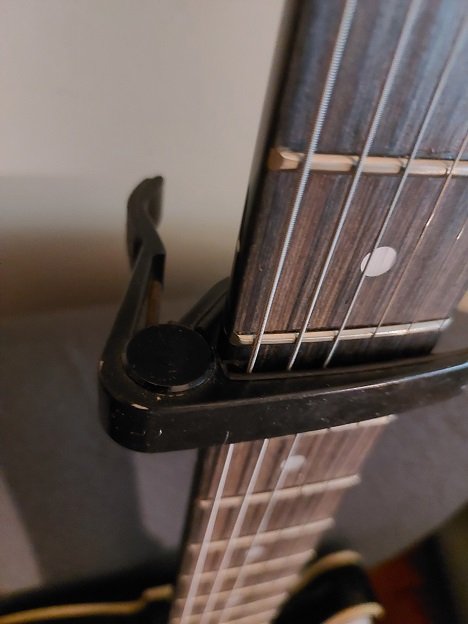
In addition, environmental factors can also play a role in causing buzzing in a guitar. Extreme temperature and humidity changes can cause the guitar’s wood to expand and contract, leading to buzzing.
It’s important to address buzzing issues in a guitar, as they can not only detract from the overall quality of the sound but also cause damage to the instrument over time. If you’re experiencing buzzing in your guitar, it may be a good idea to take it to a professional for a thorough inspection and repair.
With proper care and maintenance, you can ensure that your guitar sounds its best and continues to provide you with years of enjoyment.
Conclusion
In conclusion, capo buzzing can be frustrating for guitar players, but it can often be easily remedied. Whether a beginner or an experienced player, taking the time to place, adjust, and maintain your capo properly can help prevent buzzing and ensure that your playing is smooth and enjoyable.
Additionally, experimenting with different capos and seeking the help of a professional, if necessary, can also help you get the best results. By following the steps outlined in this article, you can ensure that your capo is working optimally and that you can get the most out of your playing.
It’s also important to remember that capo buzzing is a common problem and can happen to even the best guitar players. The important thing is to stay patient and persistent and to keep working on finding the best solution for your particular situation.
Ultimately, it all comes down to being proactive and taking the necessary steps to prevent capo buzzing. Doing so can help ensure that your playing is always at its best and that you can get the most out of your instrument. So whether you’re playing an acoustic or an electric guitar, remember to take care of your capo and keep it in top condition.
See you next time!

The Integraudio Editorial Team consists of experienced music producers, audio engineers, and plugin enthusiasts dedicated to providing in-depth reviews and guides for music production software.