
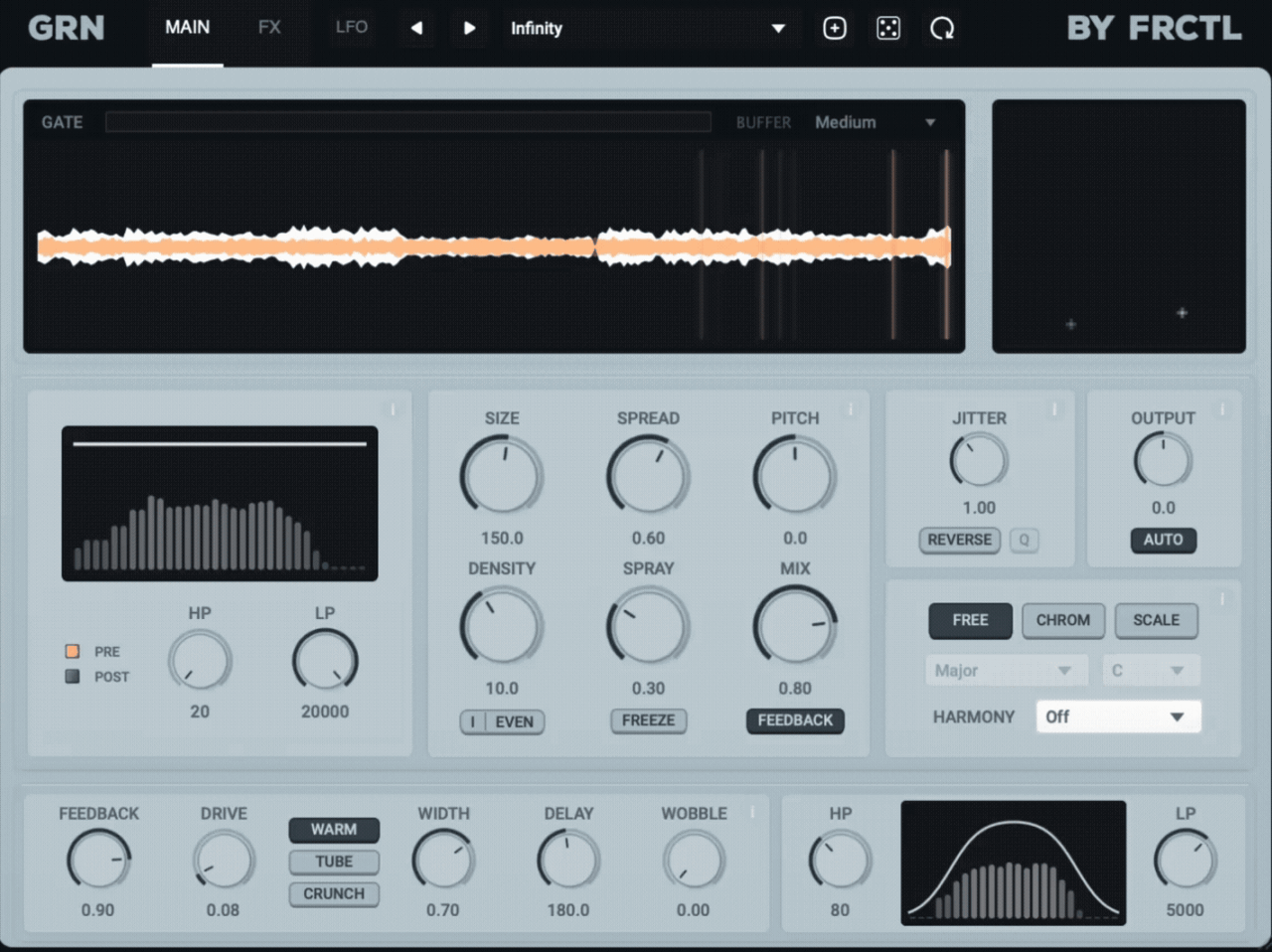
Today, we’re diving into FRCTL GRN v2, a real-time granular effect plugin designed to turn ordinary audio into evolving textures, atmospheric soundscapes, and rhythmic glitches, without burying you in complicated parameters.
I know, I know, granular processing can easily become overwhelming… Some plugins give you dozens of controls before you even hear something usable, but GRN takes a different approach. The core engine is built around six musically tuned knobs, and in practice, it feels immediate and inspiring rather than technical. You can smear vocals into ambient washes, stretch guitars into shimmering clouds, or transform static loops into living, breathing textures.
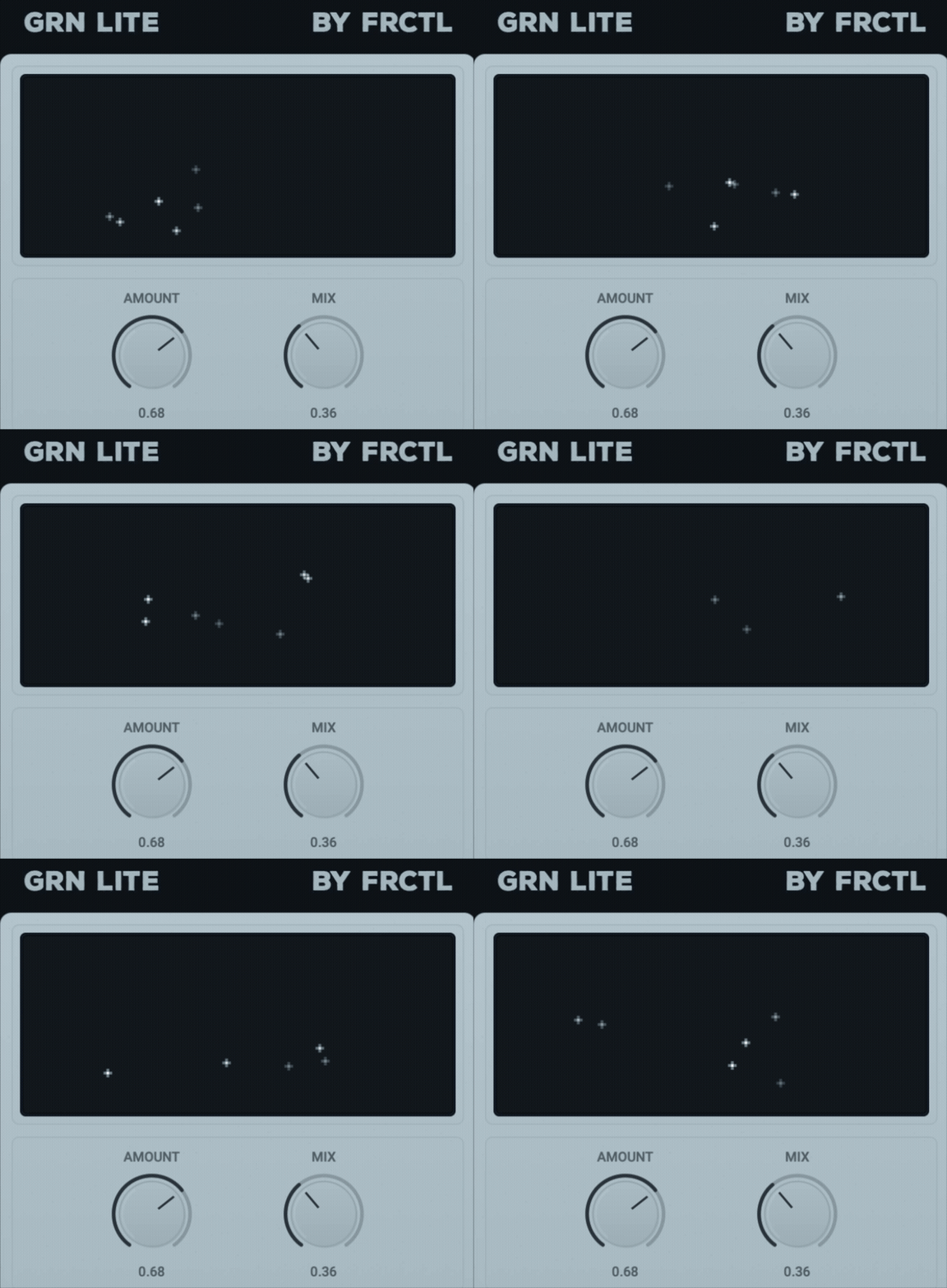
There are two versions available. GRN Lite is free and gives you the core granular engine with simplified controls. The GRN full version ($29.99) unlocks the FX Rack, dual LFO modulation, feedback engine, presets, scale quantization, and much deeper sound design flexibility. I’ll cover both, but the real power clearly lives in the full version.
| Feature | GRN Lite | GRN Full Version | Description |
| Core Granular Engine | Yes | Yes | Real-time grain processing with musically tuned behavior |
| Main Controls | Amount + Mix | Spray, Size, Density, Spread, Pitch, Mix | Lite offers macro control, Full gives detailed grain shaping |
| Tempo-Synced Density | No | Yes | Sync grain density from whole notes to 1/128 |
| Scale-Quantized Pitch | No | Yes | Pitch shifting locked to musical scales (Major, Minor, Pentatonic, etc.) |
| Freeze Mode | No | Yes | Locks buffer for evolving textures from a single moment |
| FX Rack (10 Slots) | No | Yes | Drag-to-reorder effects: Delay, Reverb, Chorus, Distortion, Filter, etc. |
| Dual LFO Modulation | No | Yes | 2 assignable LFOs with 7 shapes and tempo sync |
| Feedback Engine | No | Yes | Route grains back into buffer for evolving soundscapes |
| Saturation Modes | No | Yes | Warm, Tube, Crunch with Drive control |
| HP/LP Filters (PRE/POST) | No | Yes | Tonal shaping before and/or after granulation |
| Preset Library | No | 49 Presets + Randomizer | Categorized presets with one-click random generation |
| Waveform Display | Yes | Yes | Real-time visual buffer display |
Features
FRCTL GRN v2 is built around a streamlined but surprisingly deep granular engine. The design philosophy is clearly “musical first, technical second.” Instead of overwhelming you with microscopic grain parameters, it gives you focused controls that immediately produce usable textures.
Let’s start with the core engine.
Core Granular Engine
At the heart of GRN are six main controls:
- Spray
- Size
- Density
- Spread
- Pitch
- Mix
These six knobs shape how the incoming audio is sliced into grains and redistributed across time and space. What I like is that they are tuned for musical results right out of the box. Even extreme settings rarely sound completely broken.
Density can sync to your DAW tempo, with note divisions ranging from whole notes down to 1/128. This makes rhythmic granulation surprisingly tight and controlled. Instead of random chaos, you can create tempo-locked pulses and patterns.
The Pitch control includes scale quantization with modes like Major, Minor, Pentatonic, and several others. This is a huge advantage. Granular pitch shifting can easily become dissonant, but with quantization enabled, it stays harmonically musical.
There is also a Freeze function, which locks the buffer in place. This allows you to capture a single moment of audio and stretch it into evolving textures. For ambient and scoring work, this alone can be incredibly powerful.
FX Rack (Full Version Only)
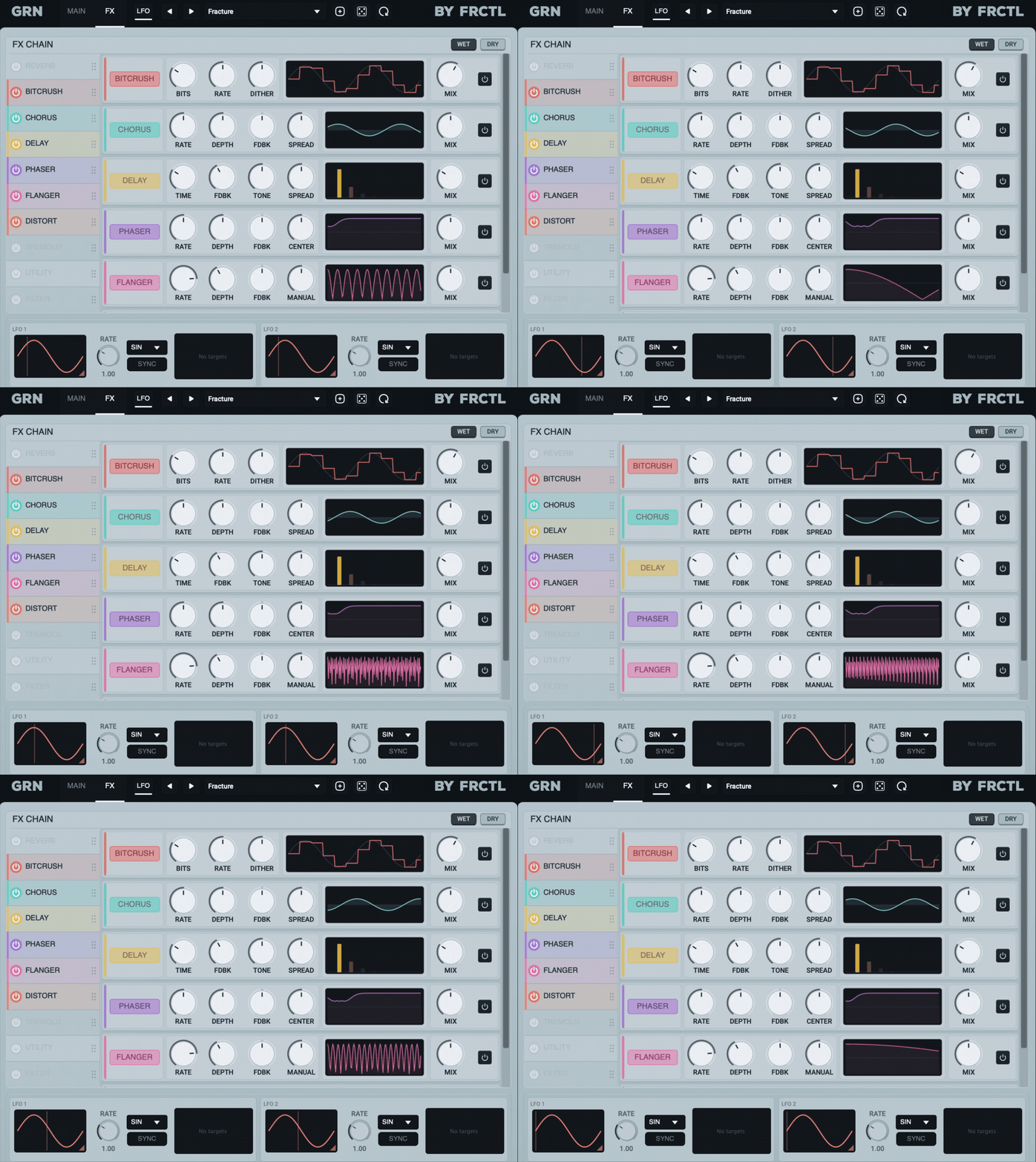
One of the biggest additions in GRN v2 is the integrated FX Rack.
You get up to 10 drag-to-reorder effect slots, and you can stack:
- Bitcrusher
- Chorus
- Reverb
- Delay
- Phaser
- Flanger
- Distortion
- Tremolo
- Utility
- Filter
Each effect includes animated visual feedback, bypass control, and WET/DRY/BOTH routing, meaning you can process the granular output, the original signal, or both simultaneously.
This transforms GRN from a simple granular tool into a full multi-FX processor. You can build complete texture chains without leaving the plugin.
Dual LFO Modulation System (Full Version Only)
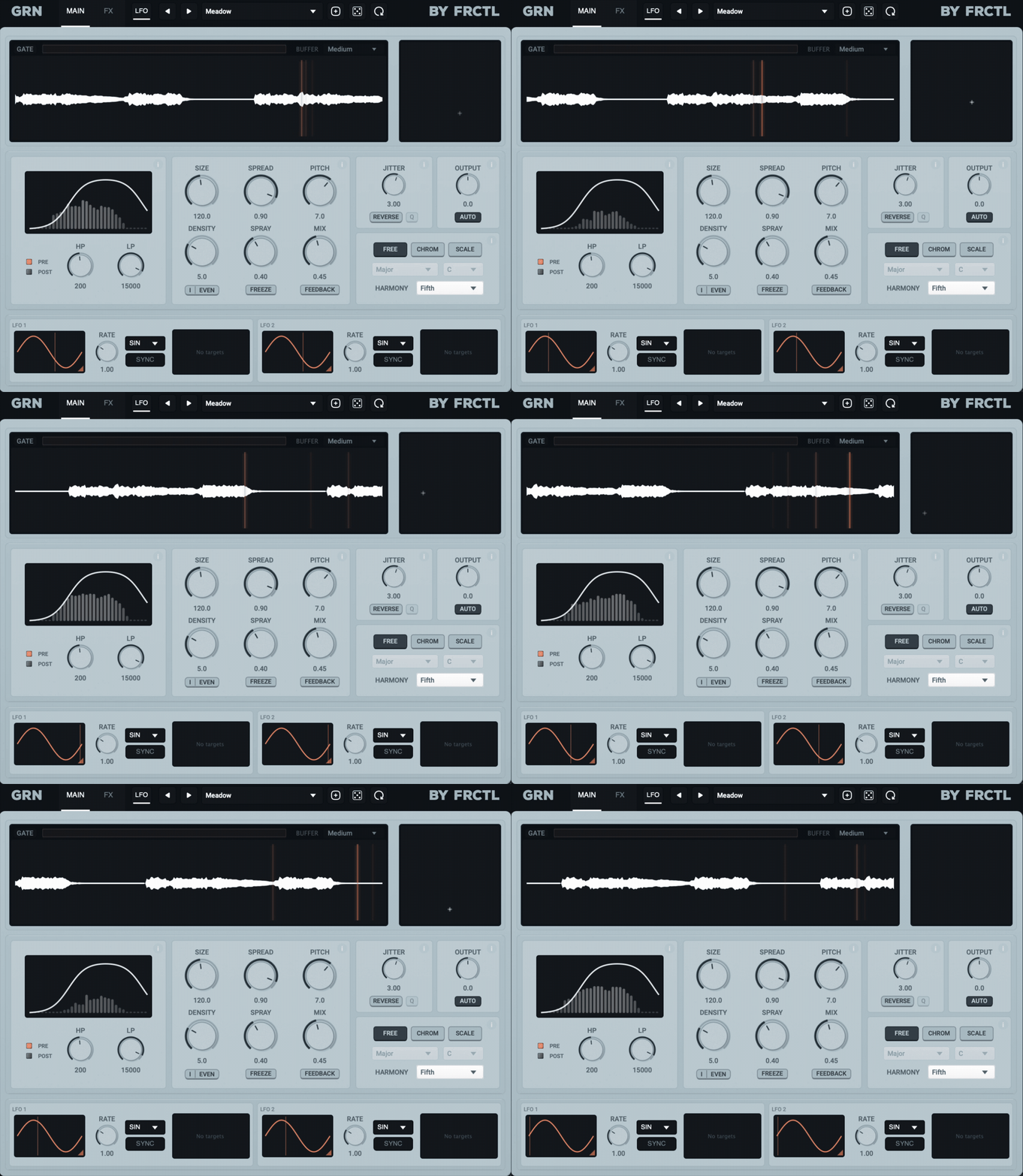
GRN includes two independent LFOs, and the routing is beautifully simple. You drag the LFO waveform directly onto any knob to assign modulation.
You get 7 waveform shapes:
- Sine
- Triangle
- Square
- Saw Up
- Saw Down
- Sample & Hold
- Random
The LFOs support tempo sync from 1/1 down to 1/32, and include bipolar depth, meaning you can invert modulation direction by dragging past the knob.
You can assign multiple parameters to a single LFO, which makes evolving textures and rhythmic movement extremely easy to build.
Feedback Engine & Filters
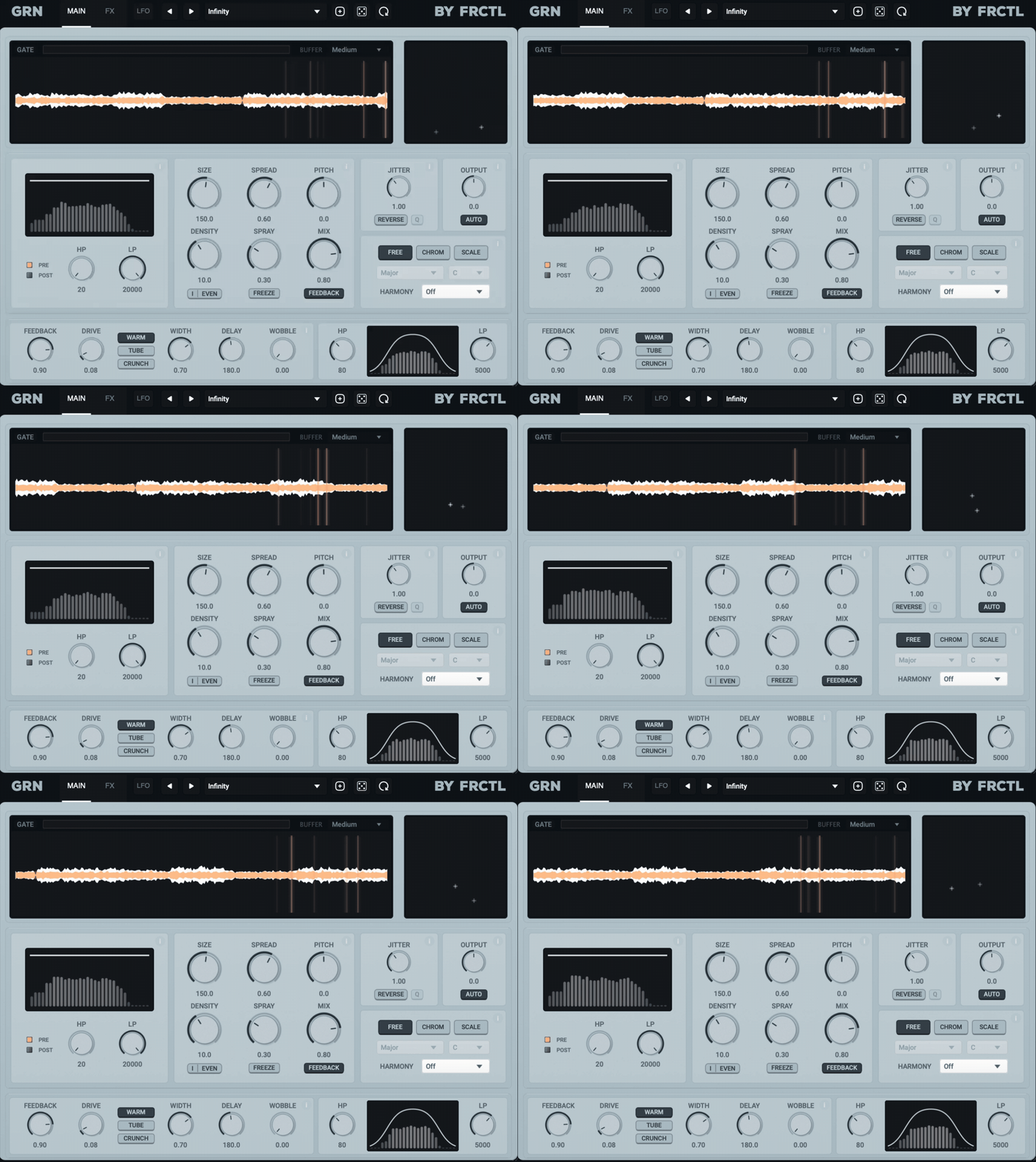
The feedback engine allows you to route grain output back into the buffer, creating self-evolving textures. This is where things can get truly atmospheric.
There are 3 saturation modes:
- Warm
- Tube
- Crunch
Each has its own Drive control, allowing you to add harmonic character to the feedback loop.
You also get Width, Delay, and Wobble controls to shape how the feedback behaves spatially and rhythmically. Combined with the feedback routing, this can produce infinite ambient soundscapes.
Finally, GRN includes HP and LP filters with real-time curve display, which can be applied PRE, POST, or both. This gives you tonal control before or after granulation.
Presets & Randomizer
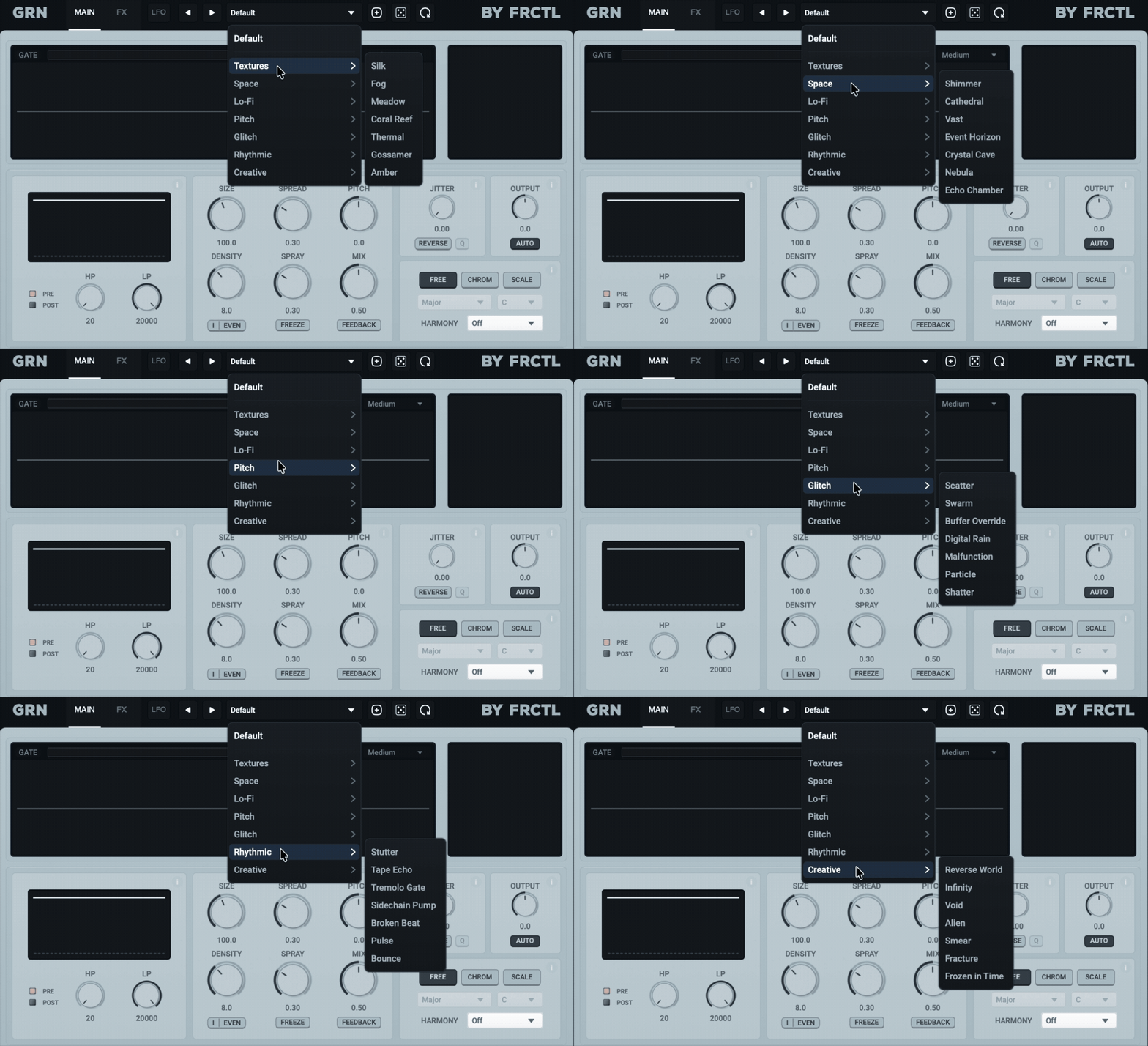
GRN ships with 49 presets, organized into categories:
- Textures
- Space
- Lo-Fi
- Pitch
- Glitch
- Rhythmic
- Creative
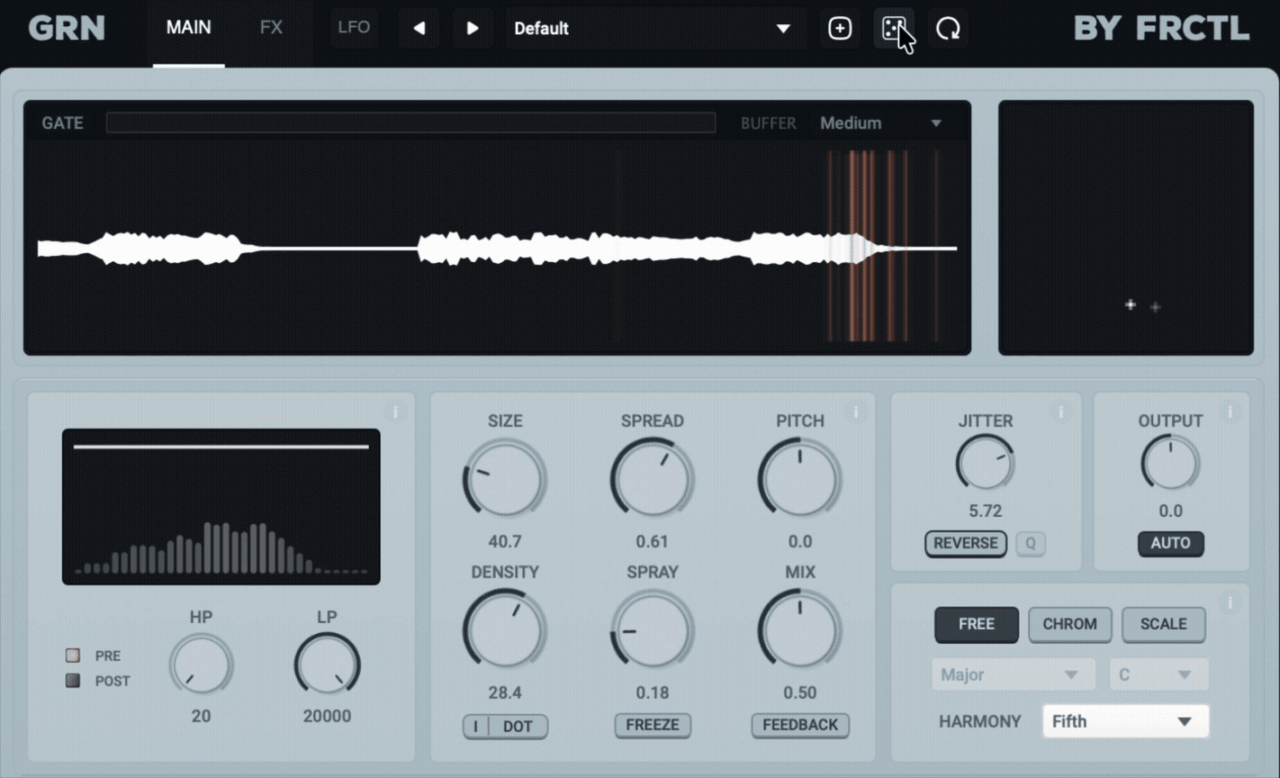
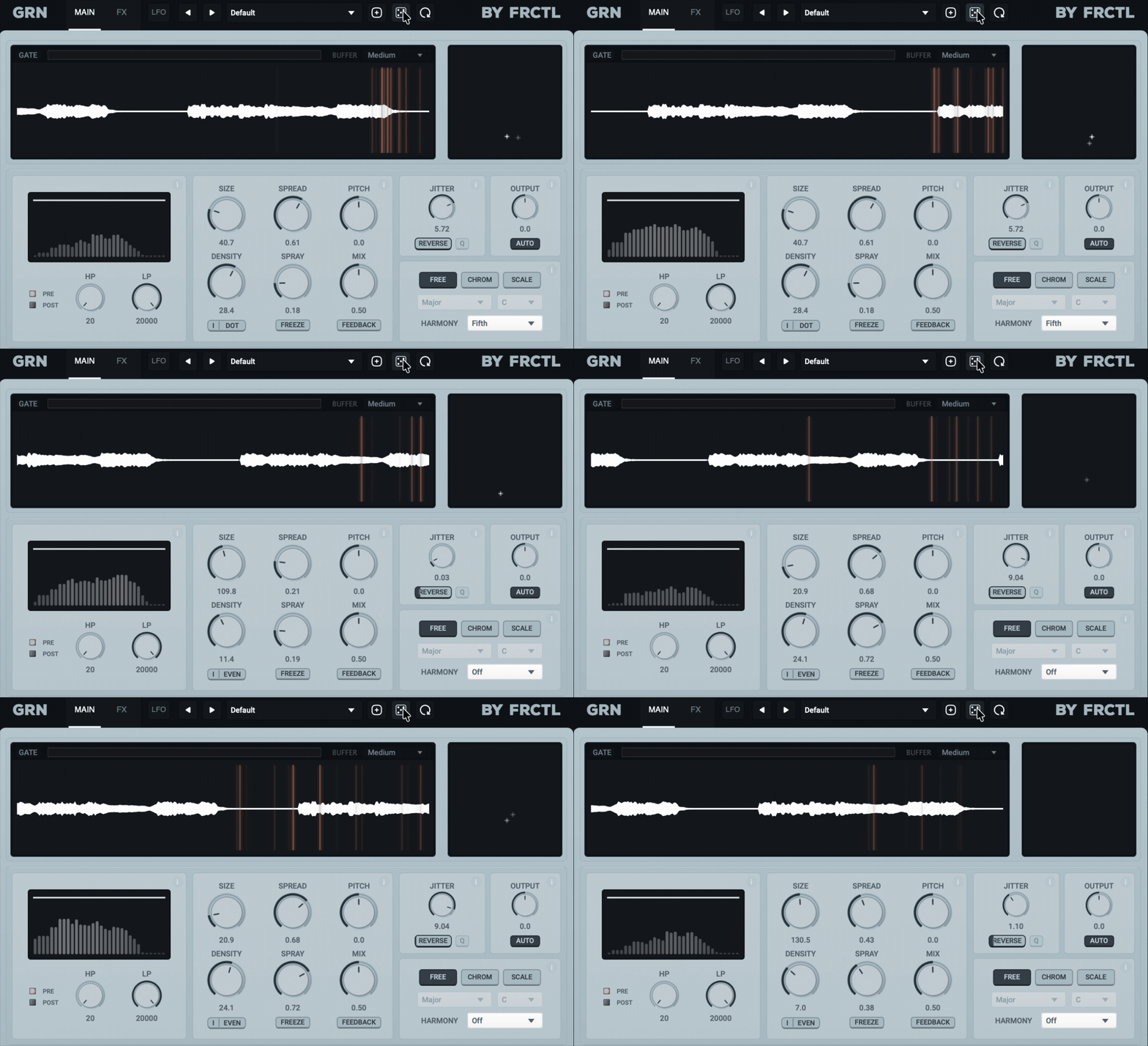
There is also a one-click Randomizer, which generates musically usable results rather than chaotic noise. For inspiration, this is incredibly useful.
You can save your own presets and navigate quickly with Previous and Next controls.
Interface and Workflow
The interface of FRCTL GRN follows a clear “less is more” philosophy. Even though the plugin is deep under the hood, the main page feels focused and immediate. You are not staring at dozens of micro-parameters. You are shaping texture.
Interface
The main view centers around the six granular controls: Spray, Size, Density, Spread, Pitch, and Mix. They are large, easy to grab, and laid out logically. The waveform display gives you a visual reference of what’s happening inside the buffer, especially useful when using Freeze or heavy Spray settings.
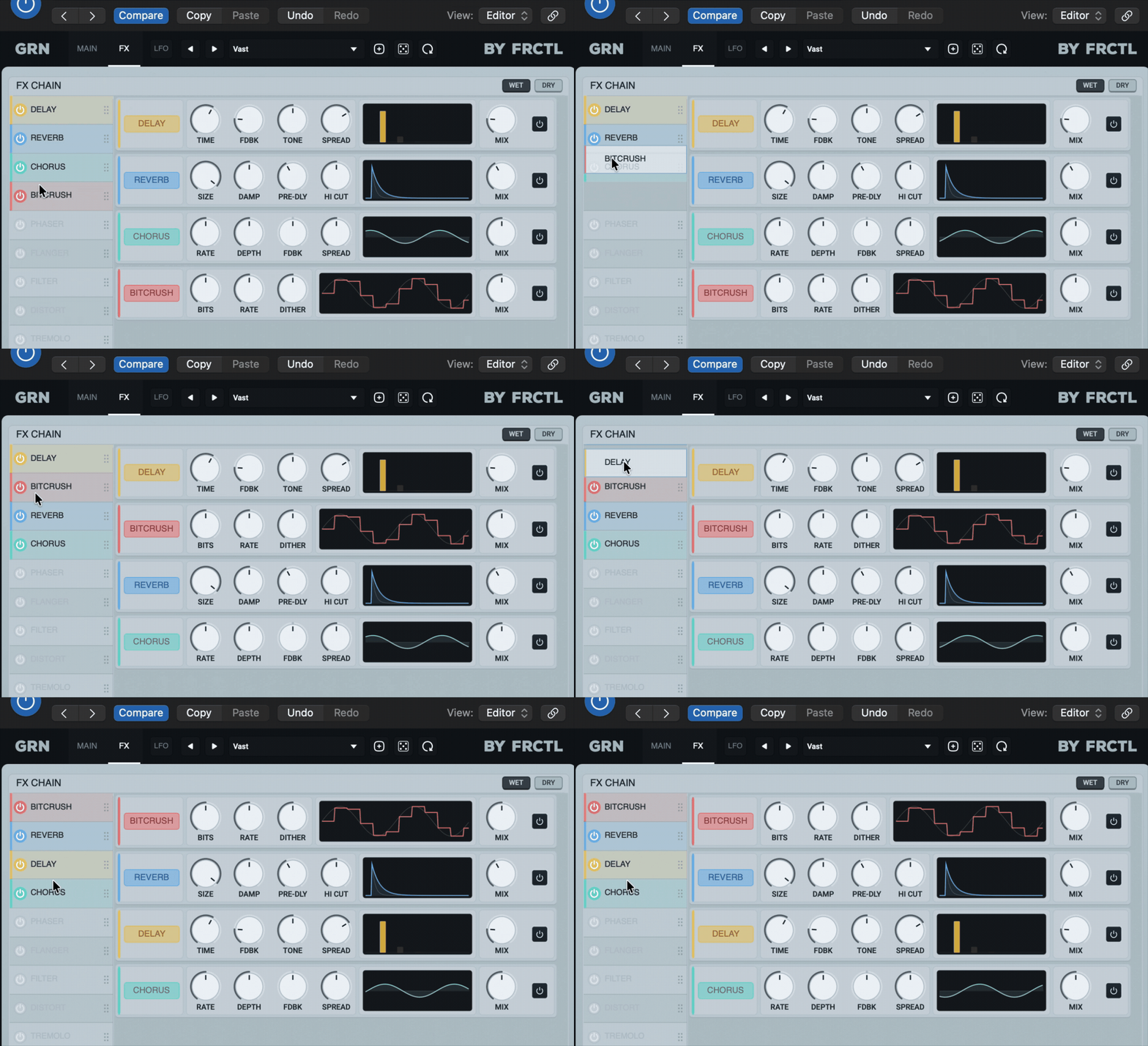
Switching to the FX Rack page reveals the 10-slot drag-to-reorder effect chain. The layout is clean, and each slot includes its own visual feedback and routing options. Being able to reorder effects freely makes the plugin feel modular without becoming complicated.
The LFO section is also very intuitive. You literally drag the waveform onto any knob to assign modulation. No routing matrix. No menus. It feels modern and fast.
Overall, the UI feels lightweight but capable. It does not try to look overly complex, and that works in its favor.
Workflow
In practice, GRN is very immediate. I usually start by adjusting Size and Density, then use Spray and Spread to introduce motion and stereo width. If I want something harmonically safe, I enable scale quantization on the Pitch control.
For ambient textures, the Freeze function is incredibly powerful. Capturing a small fragment of audio and evolving it with LFO modulation and feedback can quickly create cinematic drones or shimmering beds.
The FX Rack turns it into a full sound design tool. For example, I might granularize a vocal, then add Delay and Reverb inside the rack, followed by subtle Distortion. Because of the WET / DRY / BOTH routing, I can choose whether to process only the grains or the entire signal chain.
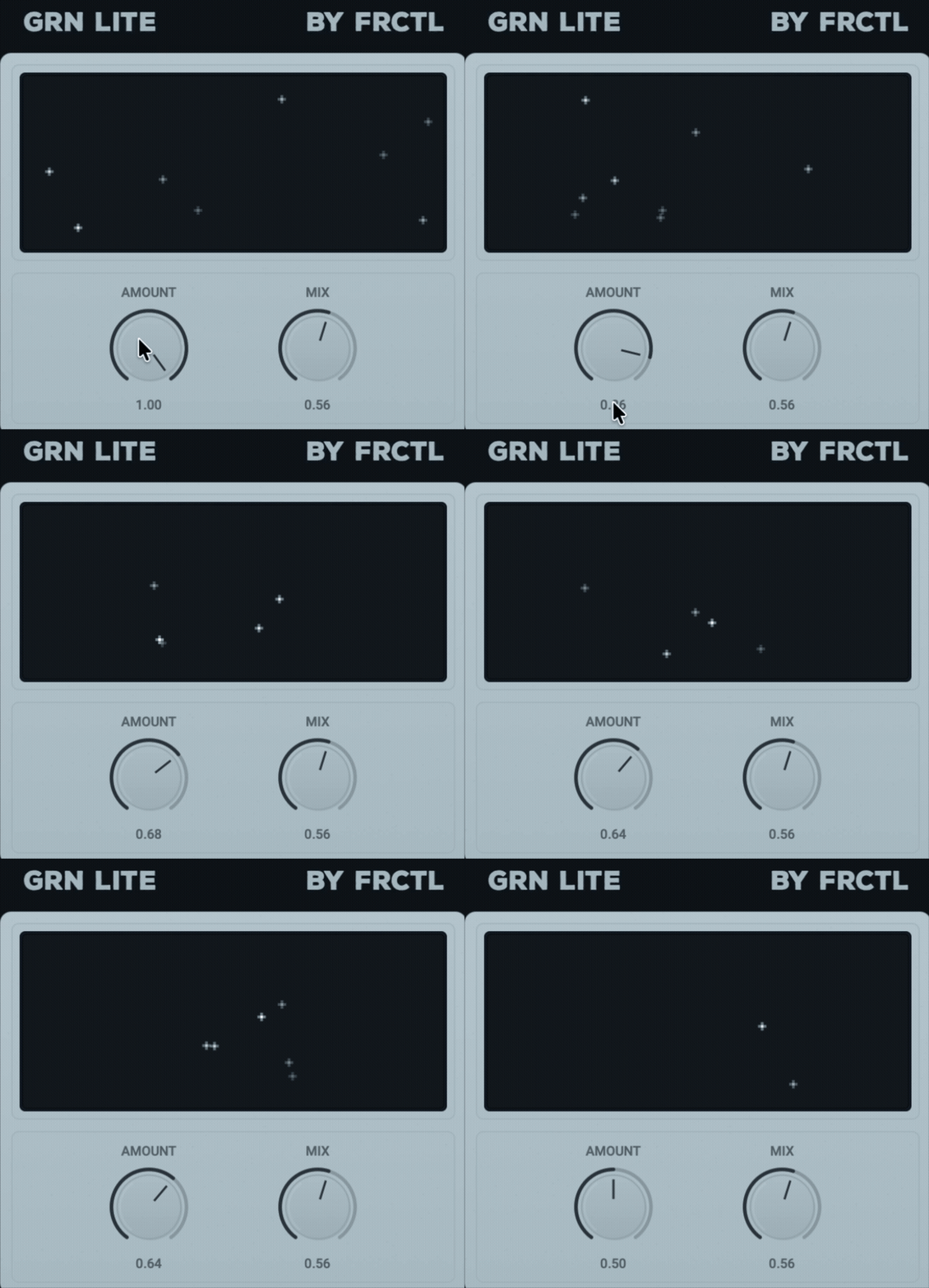
The Lite version is much simpler. You mainly control Amount and Mix, which makes it quick and inspiring but less precise. It is great for fast experimentation, while the full version is where you can really sculpt textures intentionally.
Overall, the workflow feels fast, musical, and creative rather than technical.
First Impressions and Sound
FRCTL GRN sits somewhere between a beginner-friendly granular tool and a deeper sound design processor. The core engine sounds good, and more importantly, it sounds usable. Even when pushing Spray, Density, and Spread, the results tend to stay musical, especially with scale quantization enabled. That said, it is still granular processing. If you push it too far, it will absolutely fall into noisy or smeared territory.
On vocals, GRN works well for creating airy layers and frozen harmonic beds using Freeze and Pitch quantization. It is effective, but not radically different from other modern granular plugins. The main advantage is how quickly you can get there. You do not need to spend five minutes dialing microscopic parameters.
On guitars and synth pads, adjusting Size and Spread creates width and movement fairly easily. However, very small grain sizes can start to feel slightly metallic or brittle, especially without filtering. The built-in HP/LP filters help tame this, but you do need to manage it.
The feedback engine adds depth, but it can escalate quickly. With saturation engaged, especially in Crunch mode, the texture can become dense and muddy if you are not careful. It is powerful, but it requires restraint.
The FX Rack is useful and makes GRN feel more complete, though the effects themselves are functional rather than exceptional. They do the job, but they are not necessarily standout compared to dedicated plugins. The benefit is convenience and integration.
GRN Lite delivers similar tonal behavior but with far less control. It is good for fast experimentation, though the lack of deeper parameter access means you will hit limitations quickly if you want precision.
Overall, GRN is solid, efficient, and musically tuned. It does not reinvent granular processing, but it offers a streamlined workflow that makes texture design accessible without becoming overwhelming.
Pros
- Musically tuned granular engine that stays usable even at higher settings
- Scale-quantized pitch shifting keeps textures harmonically controlled
- FX Rack with drag-to-reorder routing adds flexibility without leaving the plugin
- Dual LFO system is intuitive and easy to assign
- Feedback engine with saturation modes enables evolving soundscapes
- Clean workflow that avoids overwhelming micro-parameters
Cons
- Internal FX are functional but not standout compared to dedicated plugins
- Feedback and saturation can become muddy if pushed too far
- Not the most detailed option for microscopic grain editing
- GRN Lite becomes limiting quickly if you want precise control
- Heavy modulation + FX stacking can increase CPU usage
Compatibility
| Category | Details |
| Plugin Formats | VST3, AU, CLAP |
| Operating Systems | Windows 10/11, macOS (Intel + Apple Silicon), Linux |
| Latency | Zero latency |
| License Type | One-time purchase (Full) / Free (Lite) |
| Activation | Offline use after activation |
| Updates | Lifetime free updates (Full version) |
| Instances Allowed | 3-computer license (Full version) |
Performance is generally efficient, though heavier granular + FX + feedback combinations will increase CPU usage. In normal creative workflows, it remains stable and responsive.
Conclusion
FRCTL GRN v2 is a well-balanced granular plugin that prioritizes speed and musicality over extreme depth. The core engine is easy to work with, the FX Rack and LFOs add real value in v2, and the workflow stays approachable even as things get complex.
It’s not the most experimental granular tool on the market, and the internal effects won’t replace dedicated processors. Still, the integration, feedback engine, and modulation make it a capable texture designer that’s practical in real sessions.
GRN Lite is a solid way to test the sound and workflow, while the full version is where the plugin truly opens up. If you want granular textures without friction, GRN is a reasonable and fairly priced option.

Berk is a multi-instrumentalist musician from Istanbul, Turkey. He has been playing guitar, handpan, and percussion for over ten years, developing a sound that blends melodic sensitivity with rhythmic depth.
He began his musical journey as a teenager, learning guitar and performing in several bands. In 2016, he discovered the handpan, an instrument that immediately resonated with him on a deeper level and gradually became central to his artistic identity.
Since then, he has performed in streets, festivals, bars, and concert venues across different countries, connecting with diverse audiences through both intimate and large-scale performances.
Alongside his live work, Berk is deeply involved in studio production. He works from his home studio, where he composes, records, and produces his own music. His studio serves as a creative space for layering handpan, guitar, and percussion with modern production techniques, allowing him to shape fully realized, atmospheric compositions from start to finish.
His music explores a wide range of genres and textures, combining organic acoustic instruments with detailed studio production to create immersive and expressive soundscapes.